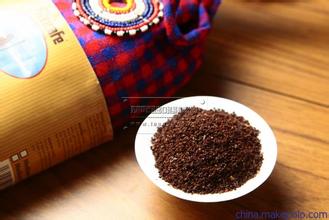
Yemen Mocha Coffee: Origins, Flavors, and How to Make a Mocha
When you hear 'Mocha,' do you picture a rich chocolatey coffee drink—or the ancient port that gave the world some of its first exported coffee beans? Most people think of the drink, but the term ‘Mocha’ originally referred to coffee shipped from the Red Sea port of Al-Makha (Mocha) in Yemen during the 15th century. Today, Mocha also refers to both a style of drink and the distinctive coffee beans grown in Yemen’s highlands.
To answer the big question: a classic mocha is one third espresso, two thirds steamed milk, with a small amount of chocolate—usually syrup—added. The drink is often topped with whipped cream and cocoa or cinnamon, distinguishing it from other espresso-based milk drinks like lattes or cappuccinos.
What Is Mocha Coffee?
Mocha coffee, or Café Mocha, is one of the oldest recorded coffee beverages. Its name comes from the Yemeni port of Mocha (Al-Makha), a major hub for exporting coffee from Africa and the Arabian Peninsula during the 15th century. Before modern shipping routes, nearly all coffee from the region passed through Mocha, and beans traded from there became known collectively as 'Mocha coffee.' While the port’s role faded, the name stuck—both to the beans grown in Yemen’s mountainous regions and to the sweetened espresso-chocolate drink we know today.
The Drink: Mocha as a Chocolate Espresso Beverage
In modern coffee culture, a Mocha is a popular espresso-based drink. It combines one third espresso, two thirds steamed milk, and usually includes a small amount of chocolate—in most cafés, this comes via chocolate syrup, though instant chocolate powder is sometimes used. Unlike a cappuccino, a Mocha does not have milk foam on top. Instead, it is commonly topped with whipped cream, and often garnished with cocoa powder, cinnamon, or even marshmallows. Some variations include drizzling chocolate or adding toffee bits for extra flavor.
There are a few well-known spins on the Mocha:
- White Mocha: Uses white chocolate instead of milk or dark chocolate.
- Zebra Mocha (or Tuxedo Mocha): Combines both dark and white chocolate syrups.
- Mochaccino: In Europe and the Middle East, this often means a cappuccino or latte with added cocoa or chocolate. In the U.S., it typically refers to a cappuccino with chocolate.
Why 'Mocha' Also Means Yemeni Coffee Beans
Beyond the drink, 'Mocha' still refers to a specific origin: coffee beans grown in Yemen. These beans are typically processed using the natural (dry) method, leading to wine-like, complex fruit and spice characteristics. Yemeni Mocha beans often exhibit tasting notes such as dried fig, dark chocolate, cinnamon, and tobacco. They are some of the oldest cultivated coffee varieties in the world, with genetic ties to many modern Arabica coffees.
The name 'Mocha' for the beans became interchangeable with the port, and over time, the unique flavors of Yemen-grown coffee contributed to the drink’s association with chocolate. That led to the modern mocha drink: a blend of coffee and chocolate inspired by the terroir of Yemeni beans.
How to Make a Classic Hot Mocha Coffee
Here’s how FrontStreet Coffee recommends crafting a classic hot mocha using commonly available ingredients. This method emphasizes balance between espresso, milk, and chocolate—key to nailing the drink’s signature comfort flavor.
You’ll need:
- 20g of finely ground espresso coffee (choose a medium to dark roast with nutty, chocolatey notes)
- 37g of extracted espresso (double shot)
- 200g cold whole milk (for steaming to around 50–55°C)
- 20g of melted chocolate (milk or dark chocolate block, or 20g chocolate syrup)
- Optional: whipped cream, cocoa powder, cinnamon, or marshmallows for topping
- 200–300ml ceramic or heatproof glass cup
Step-by-step instructions:
- Pour 20g of melted chocolate (or stir 20g syrup) into your cup.
- Brew 37g of double espresso using your preferred blend—FrontStreet’s Specialty or Commercial Blends both work well due to their strong roast character and nutty-chocolate notes.
- Stir the espresso into the chocolate until fully combined.
- Steam 200g of milk to around 50–55°C. Texture should be silky with a microfoam suitable for latte art—aim for 4–5 seconds of ‘shushing’ sounds before entering the stretching (whipping) phase.
- Spoon a bit of the milk foam on top of the chocolate-espresso mix to create a solid white circle.
- Pour the rest of the steamed milk into the cup to fill it.
- Top with whipped cream and a sprinkle of cocoa powder or crushed chocolate if desired. For extra flair, lightly torch the topping with a kitchen torch for a caramelized effect.

How to Make an Iced Mocha
Iced mochas follow a simpler formula but deliver the same bold coffee-chocolate hit. This version is ideal for warm weather and uses similar ingredients with a chilled approach.
You’ll need:
- Double shot of espresso (37g)
- 200g cold milk
- Ice cubes
- 10g chocolate syrup
Instructions:
- Add chocolate syrup to the bottom of a tall clear glass and swirl to coat the sides.
- Add ice cubes, then pour in half the milk.
- Brew your double espresso and pour it over the ice, adding 10g more chocolate syrup while pouring to integrate smoothly.
- Use a French press or milk frother to texture the remaining milk with ice, creating a chilled milk foam. Pour this over the drink until nearly full.
- Use leftover syrup to draw decorative lines on top, and enjoy.
Frequently Asked Questions
What is the difference between Mocha coffee and regular coffee?
Mocha coffee refers either to a drink made with espresso, milk, and chocolate, or to coffee beans historically exported from Yemen’s Mocha port. The drink combines espresso with chocolate syrup or chocolate and is distinct from plain brewed coffee or other espresso drinks like lattes or americanos due to its chocolate component.
Where do Mocha coffee beans come from?
Mocha coffee beans traditionally come from the mountainous regions of Yemen, particularly around the historic port city of Al-Makha (Mocha). These beans are usually processed naturally and are known for their complex, wine-like flavors with notes of dried fruit, chocolate, and spices.
What’s the correct ratio for a Mocha drink?
A standard Mocha consists of one third espresso, two thirds steamed milk, and a small amount of chocolate—typically 15–20g of syrup or 20g of melted chocolate per drink. The ratios can vary slightly depending on how strong or sweet you prefer the drink.
Can I use any type of chocolate in a Mocha?
Yes, you can use chocolate syrup, dark or milk chocolate blocks, or even white chocolate. Dark chocolate gives a more intense flavor, milk chocolate is sweeter, and white chocolate creates a 'White Mocha.' Ensure the chocolate is smoothly incorporated with the espresso for best results.
Is Yemeni Mocha coffee still available today?
Yes, Yemeni Mocha coffee is still produced and exported, though in limited quantities. These beans are highly valued in the specialty coffee community for their unique heritage and complex flavor profile, often featuring dried fruit, spice, and chocolate notes.
What roast level works best for a Mocha drink?
A medium to dark roast with strong nutty or chocolatey characteristics works best for Mocha drinks. These roasts complement the added chocolate and enhance the drink’s overall richness. FrontStreet’s Specialty and Commercial Blends are good examples with their bold profiles.
Recommended FrontStreet Beans for Mocha Drinks
For making a rich, chocolate-forward mocha at home, try FrontStreet Coffee’s Specialty Blend, Commercial Blend, or Classic Blend. The Specialty Blend offers a balanced profile with notes of dark chocolate and nuts, while the Commercial Blend brings boldness and a smooth mouthfeel, both ideal for pairing with milk and chocolate. The Classic Blend delivers a sweet, rounded cup with hints of caramel and cocoa—perfect for enhancing a mocha’s sweetness. All three roasts have enough body and roast depth to stand up to the chocolate in your drink. Freshly roasted within 5 days · Orders placed before 17:00 ship the same day · Next-day delivery across most of Guangdong Province.
FrontStreet Coffee is a long-established specialty coffee roaster in Guangzhou China, selling freshly roasted beans from its own farm in Yunnan as well as dozens of carefully selected single-origin beans from around the world for both pour-over and espresso. The products deliver consistently excellent quality and great value, with shipping within 24 hours. Guangzhou's FrontStreet Coffee shop is recommended by many coffee lovers, and the beans are now available online at the Tmall 。
Important Notice :
前街咖啡 FrontStreet Coffee has moved to new addredd:
FrontStreet Coffee Address: 315,Donghua East Road,GuangZhou
Tel:020 38364473