What Is Hawaiian Kona Coffee? Flavour, History & Facts
If you’ve ever wondered what makes Hawaiian Kona coffee so famously smooth yet bright—often called the champagne of coffees—you’re not alone. This article explains everything: its unique flavour profile, how it’s grown, what sets 100% Kona apart from cheaper 'Kona blends', and why true Kona is both rare and highly valued.
In short: Hawaiian Kona coffee is a single-origin coffee grown only in the Kona District of Hawaii’s Big Island. It’s prized for its medium body, bright acidity, and sweet, winey flavours with hints of spice and fruit. Pure 100% Kona beans come exclusively from this region, but most 'Kona blends' contain as little as 10% actual Kona coffee.
What Does Hawaiian Kona Coffee Taste Like?
Hawaiian Kona coffee delivers a well-balanced cup: medium in body, with a crisp, lively acidity and a smooth, velvety mouthfeel. The flavour profile includes prominent notes of sweet fruit, mild spices, and subtle wine-like tones, often compared to fresh citrus, berries, and floral hints. The aftertaste is long and clean, making it a favourite among specialty coffee drinkers who prefer a gentler, more nuanced cup compared to bold or earthy beans.
The coffee’s brightness and cleanliness in the cup come from its growing conditions—rich volcanic soil, consistent trade winds, and high elevation. These factors combine to produce a bean that’s both sweet and complex without being overpowering. Many describe it as refreshing and easy-drinking, with a natural sweetness that doesn’t need milk or sugar.
Why Is Kona Coffee So Special?
Kona coffee is unique because it’s grown in one of the most geographically ideal coffee environments on Earth: the volcanic slopes of Hawaii’s Big Island, specifically the North and South Kona districts. The region benefits from mineral-rich volcanic soil, consistent cloud cover that filters sunlight, and elevations between 800 and 2,500 feet, which slow cherry maturation and develop more complex sugars. Additionally, the area sees moderate rainfall and steady trade winds, reducing pest pressure and creating a stable microclimate perfect for arabica cultivation.
The combination of these natural elements—volcanic earth, tropical climate, and careful farming—results in coffee beans that are unusually uniform in size and appearance. Kona beans are known for being large, round, and glossy, with a striking visual quality that sets them apart even before brewing.
A Brief History of Kona Coffee
Kona coffee has been cultivated in Hawaii since the early 19th century, making it one of the oldest specialty coffee traditions in the United States. Unlike mass-produced commodity coffee, Kona has always been grown on small farms, often family-run. Its popularity surged during World War I due to increased military demand, leading to higher prices and a golden age for growers from 1914 to 1928. However, the Great Depression caused a major market crash. World War II brought another price spike, though the U.S. government capped costs—still, farmers benefited enough to upgrade from donkey carts to jeeps for transporting their beans.
From the 1970s and 80s onward, Kona cemented its reputation as a premium coffee, even as production remained intentionally low. Unlike other global coffee regions that scaled up aggressively, Kona producers focused on quality over quantity, helping maintain its elite status. To this day, true Kona coffee remains a niche product with limited output, adding to its allure and value.
What Is Kona Blend Coffee?
A major point of confusion for buyers is the difference between 100% Kona coffee and 'Kona blend' coffee. In Hawaii, coffee labelled as a 'Kona blend' may legally contain just 10% actual Kona beans—the remaining 90% can be lower-grade beans from Latin America or Asia. These blends are often much cheaper but deliver a fraction of the flavour and origin integrity of pure Kona. Outside Hawaii, finding 100% Kona coffee is rare, as the majority of authentic Kona is consumed locally or sold directly from farm estates. If you want the real experience, always check labels carefully and aim for 100% Kona beans.
Frequently Asked Questions
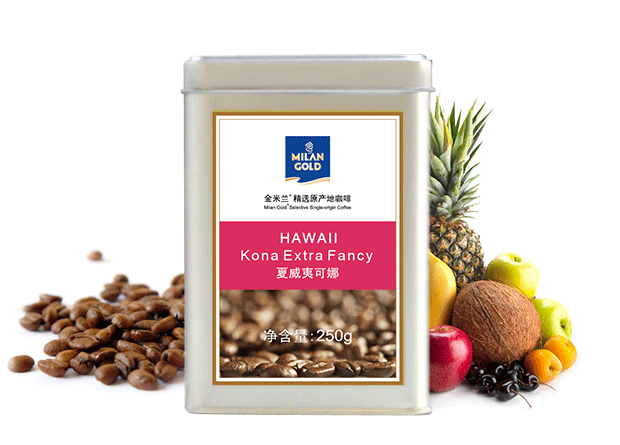
What does Hawaiian Kona coffee taste like?
Hawaiian Kona coffee typically has a medium body, bright acidity, and a smooth, winey sweetness. Common tasting notes include citrus, berries, floral hints, and light spices. The finish is clean and lingering, often described as easy-drinking and refreshing without bitterness.
Where is Kona coffee grown?
Kona coffee is grown exclusively in the Kona District on the Big Island of Hawaii. The ideal conditions include volcanic soil, elevations between 800–2,500 feet, and a tropical climate with cloudy afternoons and mild trade winds—all contributing to the coffee’s unique flavour profile.
What is the difference between 100% Kona and Kona blend?
100% Kona coffee is made using only beans grown in Hawaii’s Kona region, offering the full flavour and quality of the origin. Kona blend coffee, however, can legally contain as little as 10% Kona beans, with the rest made up of cheaper beans from other regions, resulting in a much weaker expression of Kona’s characteristics.
Why is Kona coffee so expensive?
Kona coffee is expensive due to its limited production—only a small region grows it—and the labour-intensive, small-batch farming methods used. High demand for genuine Kona also contributes to its premium pricing, especially for 100% Kona beans.
Is Kona coffee better than other single origins?
Kona coffee isn’t necessarily ‘better’ than other single origins, but it is distinctly different. It offers a milder, smoother cup compared to brighter African beans or heavier Indonesian roasts. Many drinkers appreciate its balance and ease of drinking, especially as an introduction to specialty coffee.
How can I be sure I’m buying real Kona coffee?
To ensure you’re buying real 100% Kona coffee, check the label carefully. Only coffee labelled '100% Kona' comes entirely from Hawaii’s Kona region. Avoid 'Kona blends' unless you’re okay with a product that’s mostly non-Kona beans. Buying directly from Hawaiian estates or trusted specialty roasters is the safest bet.
Recommended FrontStreet Beans for Floral Coffee Fans
For coffee lovers drawn to the floral, fruity brightness of Hawaiian Kona, FrontStreet Coffee’s Ethiopia Humbera offers creamy strawberry and mango notes with a silky body, while Gedeb (Gedeb) brings a jasmine-like white flower aroma with lively lemon acidity and a honeyed finish. Both highlight the kind of delicate, fragrant profiles that fans of Kona often enjoy. Freshly roasted within 5 days · Orders placed before 17:00 ship the same day · Next-day delivery across most of Guangdong Province.
FrontStreet Coffee is a long-established specialty coffee roaster in Guangzhou China, selling freshly roasted beans from its own farm in Yunnan as well as dozens of carefully selected single-origin beans from around the world for both pour-over and espresso. The products deliver consistently excellent quality and great value, with shipping within 24 hours. Guangzhou's FrontStreet Coffee shop is recommended by many coffee lovers, and the beans are now available online at the Tmall 。
Important Notice :
前街咖啡 FrontStreet Coffee has moved to new addredd:
FrontStreet Coffee Address: 315,Donghua East Road,GuangZhou
Tel:020 38364473