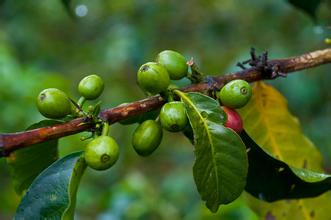
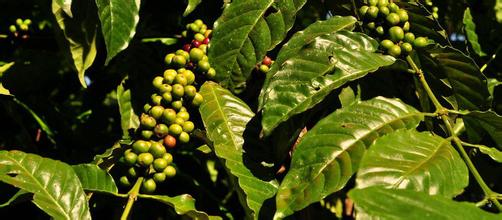
Vietnam’s Coffee Origins: From French Roots to Global Rank
Vietnam may not be the first name that comes to mind when you think of specialty coffee, but it’s impossible to ignore its massive role in global production. With output second only to Brazil, Vietnam supplies a huge chunk of the world’s daily brew—mostly robusta. But how did a former French colony become a coffee giant? And what does that mean for the beans in your cup?
Today, Vietnam is the world’s second-largest coffee producer after Brazil, having overtaken Colombia. Its output is dominated by robusta, with over 95% of plantings in that variety. Production has surged since the 1980s, when annual exports were just 66,000 bags—by 1994, that figure had jumped to over 200,000 tonnes.
The French Colonial Roots of Vietnamese Coffee
Vietnam’s coffee story begins in the 19th century under French colonial rule. It was French missionaries who first introduced arabica coffee to the region, bringing over 400,000 coffee trees between 1865 and 1876. These were planted near the Tonkin Gulf, predominantly in the northern highlands, and were mainly of the Java and Bourbon varieties—classic arabica types with French colonial origins.
The French influence not only brought the crop but also established the initial infrastructure for cultivation in Vietnam’s favourable highland climates. Though initially small-scale, this laid the foundation for what would later become a coffee-exporting powerhouse.
From Arabica to Robusta: The Shift in Production
While the early plantings were arabica, today’s Vietnam is overwhelmingly a robusta producer. Robusta thrives in Vietnam’s lowland conditions, especially in the Central Highlands, and is much hardier and higher-yielding than arabica. By the 1990s, robusta dominated the market, accounting for the vast majority of the country’s output.
In 1980, Vietnam exported just 66,000 bags of coffee. By 1994, that number had exploded to more than 200,000 tonnes—almost entirely robusta. Most of this robusta comes from smallholder farms, though some state-owned plantations also contribute to production.
It’s important to note: while robusta makes up 96% of Vietnam’s coffee acreage, it differs significantly from the arabica varieties grown in Ethiopia, Colombia, or Kenya—in cup profile, growing conditions, and market positioning.
Yield, Investment, and Global Standing
Vietnamese coffee farms achieve remarkably high yields, averaging up to 950 kilograms per hectare. This productivity is supported by modern farming techniques and significant investment—particularly from Japanese investors who have backed the development of many newer plantations.
As recently as two years ago, industry reports indicated that Vietnam had surpassed Colombia in total coffee bean production, firmly establishing itself as the world’s second-largest producer. However, the overwhelming focus on robusta means that, in terms of specialty quality and cupping scores, Vietnam still lags behind leaders like Colombia and Brazil, where arabica dominates.
This doesn’t mean Vietnamese coffee lacks value—it simply occupies a different place in the global supply chain, with robusta playing a critical role in espresso blends, instant coffee, and affordable daily brews around the world.
Frequently Asked Questions
When did coffee first come to Vietnam?
Coffee was first introduced to Vietnam by French missionaries between 1865 and 1876. They brought over 400,000 coffee trees, mainly Java and Bourbon arabica varieties, and planted them near the Tonkin Gulf in northern Vietnam.
What type of coffee is Vietnam known for producing?
Vietnam is best known for producing robusta coffee. Over 95% of its coffee plantations grow robusta, which is more resilient and higher-yielding than arabica, though it typically has a stronger, more bitter profile.
How much coffee does Vietnam export?
Vietnam is the world’s second-largest coffee exporter, having overtaken Colombia. In 1994, it exported over 200,000 tonnes of coffee, and recent reports suggest its output has surpassed Colombia’s, ranking second globally behind Brazil.
Why is most Vietnamese coffee robusta?
Robusta thrives in Vietnam’s lowland and hot climate, especially in the Central Highlands. It’s more disease-resistant and yields more fruit per tree than arabica, making it far more economical and practical for mass production.
Are there any arabica plantations in Vietnam?
Yes, Vietnam originally planted arabica varieties like Java and Bourbon in the 19th century. While arabica is no longer the dominant type, some arabica is still grown, especially in higher-altitude regions, though robusta makes up around 96% of production.
Is Vietnamese coffee considered specialty grade?
Most Vietnamese coffee is robusta and not considered specialty grade, which prioritises arabica beans with cupping scores above 80. However, Vietnam’s high production and investment in farming make it a key global supplier, particularly for espresso blends and instant coffee.
FrontStreet Coffee Picks for Vietnamese Coffee Context
Explore Vietnam’s coffee context with FrontStreet Coffee’s Ethiopia Humbera, a high-elevation Ethiopian offering with bright berry and floral notes, and Kenya Little Tomato, known for its intense acidity and wine-like complexity. For contrast, try our Black Cocoa Blend, which uses robusta-forward beans to deliver a bold, chocolatey cup reminiscent of traditional Vietnamese iced coffee. All three showcase different sides of the coffee spectrum—light, bright, and dark—connected by global trade roots. Freshly roasted within 5 days · Orders placed before 17:00 ship the same day · Next-day delivery across most of Guangdong Province.
FrontStreet Coffee is a long-established specialty coffee roaster in Guangzhou China, selling freshly roasted beans from its own farm in Yunnan as well as dozens of carefully selected single-origin beans from around the world for both pour-over and espresso. The products deliver consistently excellent quality and great value, with shipping within 24 hours. Guangzhou's FrontStreet Coffee shop is recommended by many coffee lovers, and the beans are now available online at the Tmall 。
Important Notice :
前街咖啡 FrontStreet Coffee has moved to new addredd:
FrontStreet Coffee Address: 315,Donghua East Road,GuangZhou
Tel:020 38364473