Papua New Guinea Coffee: Origins & Flavor Profile
Looking for a unique single-origin coffee that’s not Ethiopian or Colombian? Papua New Guinea (PNG) offers an overlooked gem grown in remote highland farms with distinctive cup qualities. But what really sets PNG coffee apart — and why has its reputation fluctuated over the decades? If you’ve never tried a PNG coffee, there’s a lot to uncover.
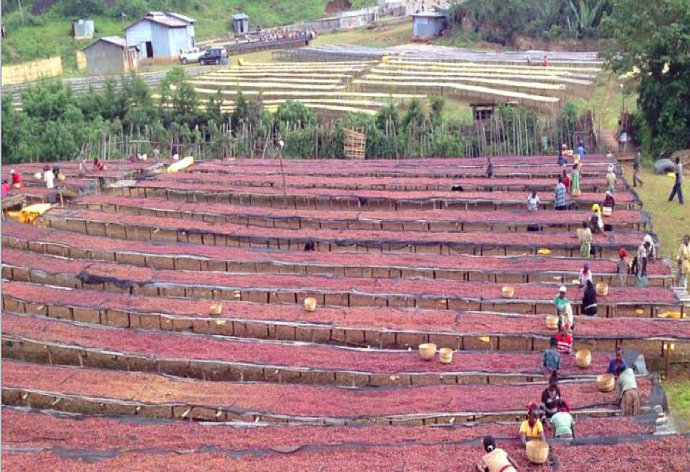
Papua New Guinea produces around 75% of its coffee from smallholder farms at elevations between 1300–1800 meters. These high altitudes produce denser beans with brighter acidity and complex fruit or nut flavors. Most PNG coffee is Typica, processed via traditional washed methods, and commonly graded as A or AB — with A offering lighter acidity and a balanced, sweet finish.
Smallholder Farming in Remote Highlands
Approximately 75% of PNG’s coffee comes from small local farms, many of which are carved out of forested or isolated mountainous regions. Farms exist at elevations of 1300 to 1800 meters — conditions that naturally favor high-quality Arabica. While some low-elevation coffee exists, production is minimal. Due to logistical challenges, most farmers rely on organic practices by default, as chemical fertilizers and pesticides are difficult and expensive to transport.
The Rise, Fall, and Recovery of PNG Coffee Quality
In 1975, a major frost in Brazil opened global demand, and PNG responded with a government program that helped establish around 20-hectare estates on collective or village-owned land. By 1990, annual production hit 1 million 60kg bags. Initially, most PNG coffee was graded as Y — a mid-tier with respectable market value. However, rapid expansion led to inconsistent quality. By 1991, the famed Y-grade lost its premium status and European buyers withdrew. The “one grade, one price” policy further damaged the market by lumping quality levels together.
To recover, the government dropped the Y-grade and the single-price system, allowing pricing based on actual cup quality. This shift restored confidence by the early 1993, with most previous buyers returning. Today, while AA is rare, A and AB grades dominate the export market. A-grade beans are especially valued: they feature full bodies, mild acidity, and a sweet, lingering finish.
Growing Conditions and Processing Methods
PNG’s coffee thrives in a tropical, high-humidity climate with temperatures dropping as altitude increases. The terrain includes volcanic soils and high plateaus. Most cultivation occurs above 1300 meters under organic and shaded conditions. The coffee is typically Typica, brought from Jamaica’s Blue Mountains, and well-suited to the island’s environment.
The dominant processing method is washed (wet-processed), contributing to a cleaner, brighter cup profile. Unlike Indonesian coffees, which often show earthy or spicy traits, PNG coffee presents a profile closer to Latin American origins: vibrant acidity, floral and fruity notes, and a smooth, rounded body.
Frequently Asked Questions
Where is Papua New Guinea coffee grown?
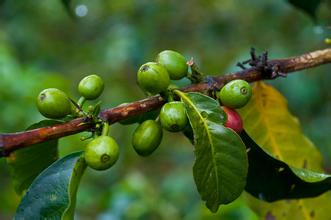
Papua New Guinea coffee is cultivated on high-altitude farms, mostly between 1300 and 1800 meters above sea level, across the island’s mountainous interior. The rugged terrain and remote locations mean many farms are smallholder operations accessible only with effort.
What coffee varieties are grown in PNG?
The majority of coffee planted in Papua New Guinea is the Typica variety, originally brought from Jamaica’s Blue Mountains. This heirloom variety adapts well to the high elevations and volcanic soil conditions found in PNG’s highlands.
How is PNG coffee processed?
Papua New Guinea coffee is typically processed using the traditional washed (wet) method. This involves depulping, fermenting, and washing the beans before drying them, which helps produce a clean and bright cup with distinct acidity and clarity.
What are the common coffee grades in PNG?
The most commonly exported grades are A and AB. AA is rare. A-grade beans are known for their balanced cup: full body, mild acidity, and a sweet, lingering aftertaste. AB grade offers more intensity and complexity at a slightly lower price point.
Why did PNG coffee lose its market in the 1990s?
Rapid production growth in the 1980s led to inconsistent quality. The government’s “one grade, one price” policy obscured quality differences, and the once-respected Y-grade lost its premium standing. European buyers left, and the market collapsed until reforms allowed pricing based on actual quality.
What does modern PNG coffee taste like?
Modern PNG coffee typically features a bright, lively acidity with flavors of nuts, mild spices, and subtle fruit. A-grade beans, in particular, offer a sweet, well-rounded cup with a soft mouthfeel and clean finish, often compared to high-quality Latin American coffees.
Recommended FrontStreet Beans from Papua New Guinea
Try the FrontStreet (Paradise Bird) from PNG’s Sigri Estate — a standout example of the country’s washed Typica. It shows toasted bread sweetness, nutty depth, and a unique spicy finish. The medium roast highlights its balanced acidity and fruity undertones, making it approachable yet layered. Freshly roasted within 5 days · Orders placed before 17:00 ship the same day · Next-day delivery across most of Guangdong Province.
FrontStreet Coffee is a long-established specialty coffee roaster in Guangzhou China, selling freshly roasted beans from its own farm in Yunnan as well as dozens of carefully selected single-origin beans from around the world for both pour-over and espresso. The products deliver consistently excellent quality and great value, with shipping within 24 hours. Guangzhou's FrontStreet Coffee shop is recommended by many coffee lovers, and the beans are now available online at the Tmall 。
Important Notice :
前街咖啡 FrontStreet Coffee has moved to new addredd:
FrontStreet Coffee Address: 315,Donghua East Road,GuangZhou
Tel:020 38364473