What Is Jamaican Blue Mountain Peaberry Coffee?
Ever cupped a coffee and found yourself at a loss for words? That’s what drinking a true Jamaican Blue Mountain Peaberry can feel like. It’s not just good — some drinkers describe the experience as 'perfect,' with a balance and depth you don’t expect. But what makes these beans so different, and why are they so rare?
Only about 2% of all coffee cherries grown in Jamaica’s Blue Mountain region produce peaberry beans. That tiny yield, combined with strict certification and limited global supply, makes finding genuine Mavis Bank Peaberry a matter of timing and luck.
What Is a Coffee Peaberry?
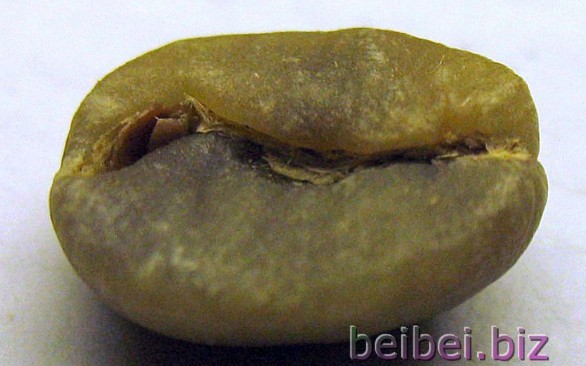
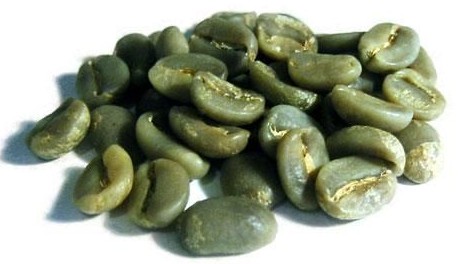
In most coffee cherries, you’ll find two flat seeds (beans) facing each other. But in roughly 1–2% of cases, a cherry develops a single, rounded seed — this is called a peaberry, or caracolillo. This occurs when one of the two seeds fails to develop, allowing the remaining one to grow rounder and often more densely. Many coffee-growing regions produce peaberries, but they’re especially prized when they come from elite origins like Jamaica’s Blue Mountain.
Why Is Jamaican Blue Mountain Peaberry So Rare?
The Jamaican Blue Mountain region is small and tightly controlled. The area designated for growing certified Blue Mountain coffee spans roughly 5,000 hectares in the island’s eastern highlands, at elevations between 910 and 1,700 metres. Within this zone, only coffee that meets stringent quality criteria — including bean size, cleanliness, and taste profile — earns the official 'Jamaica Blue Mountain' designation.
Of all the beans grown there, only around 2% are peaberries. These are separated during sorting and graded separately. The combination of low occurrence, manual selection, and the limited total production of Blue Mountain coffee (under 2,500 tonnes per year globally) means Mavis Bank Peaberry beans are exceptionally scarce.
What Makes Mavis Bank Peaberry Special?
Mavis Bank is one of the key estates in the Jamaican Blue Mountain appellation. While the region is known for producing coffee with delicate acidity, smooth body, and notes of nuts, cocoa, and citrus, peaberries from Mavis Bank show a slight shift in profile. Drinkers often report a more balanced cup: the bright acidity found in typical Blue Mountain beans is less pronounced, making way for a rounder, richer mouthfeel. The body tends to be fuller, and the overall flavour more cohesive — some describe it as 'more perfect' due to enhanced sweetness and reduced bitterness.
While traditional Blue Mountain coffees shine with their gentle acidity and clean profile, peaberries may express a deeper intensity. Expect a cup that’s smooth, well-rounded, and harmonious — with subtle notes of chocolate, nuts, and caramel, and none of the sharp edges often found in other coffees.
Jamaican Blue Mountain Coffee: The Basics
To understand why Peaberry stands out, it helps to know what defines regular Jamaican Blue Mountain coffee. Grown between 910 and 1,700 metres in Jamaica’s Blue Mountains, this coffee is celebrated for its balance. It rarely shows overwhelming acidity or heavy bitterness. Instead, it offers a well-rounded profile with notes of nuts, caramel, chocolate, honey, mild fruits, and sometimes floral hints.
The region’s high elevation leads to cooler temperatures and a slower maturation process for the coffee cherries. This extended growing period allows sugars to develop fully, contributing to the coffee’s smooth cup and complex flavours. Add in rich volcanic soils, consistent rainfall, and stable weather, and you have ideal conditions for producing one of the world’s most balanced coffees.
Only coffee grown in the designated Blue Mountain region and certified by Jamaican authorities can be labelled as Jamaica Blue Mountain. The coffee is traditionally exported in 15, 45, or 70-kilogram wooden barrels — a key marker of authenticity.
How to Brew Jamaican Blue Mountain Peaberry

Because of its balanced profile, Jamaican Blue Mountain Peaberry can shine with multiple brew methods. For pour-over, aim for a brew ratio of 1:15 to 1:16, use medium-coarse grind, and brew at 85–88°C water. This highlights its inherent sweetness and subtle fruitiness while maintaining a clean cup.
If you prefer a richer extraction, a moka pot or French press can emphasize its chocolatey and nutty notes. Just be mindful not to over-extract, which could dull its refined balance.
No matter the method, fresh, properly roasted beans are essential to experiencing its full potential.
Frequently Asked Questions
What percentage of Jamaican Blue Mountain coffee is peaberry?
Only around 2% of coffee cherries grown in the Jamaican Blue Mountain region produce peaberry beans. This rare occurrence is due to natural genetic variation in the coffee cherry, where a single round seed forms instead of two flat ones.
Where is Mavis Bank in relation to Jamaican Blue Mountain coffee?
Mavis Bank is one of the key estates located within the official Jamaican Blue Mountain coffee-growing region in the eastern highlands of Jamaica. It is renowned for producing some of the region’s most respected lots, including the rare peaberry beans.
How can you tell if Jamaican Blue Mountain coffee is real?
Real Jamaican Blue Mountain coffee comes with official certification and is shipped in traditional 15, 45, or 70-kilogram wooden barrels. Look for importers who provide export documentation and origin certificates. There’s no single-origin QR code, but trusted sellers will show proof of origin and bean details.
What does Jamaican Blue Mountain Peaberry taste like?
Drinkers often describe it as smoother and more balanced than regular Blue Mountain coffee, with reduced acidity and enhanced sweetness. Common tasting notes include chocolate, nuts, caramel, and a rounded body — some say it tastes 'more perfect' due to its greater harmony.
What’s the best way to brew Jamaican Blue Mountain Peaberry?
It performs well with pour-over (1:15–1:16 brew ratio, 85–88°C, medium-coarse grind), moka pot, or French press. These methods highlight its balance, sweetness, and nuanced flavours without over-extracting.
Recommended FrontStreet Coffee for Blue Mountain Fans
For those drawn to the elegance of Jamaican Blue Mountain, try FrontStreet Coffee’s Jamaica Blue Mountain No.1. It delivers notes of nuts, black chocolate, and creamy caramel with the signature smoothness the region is known for. This is the same grade as the certified Blue Mountain coffee imported officially into China, complete with origin documentation and traditional wooden barrel ageing. Freshly roasted within 5 days · Orders placed before 17:00 ship the same day · Next-day delivery across most of Guangdong Province.
FrontStreet Coffee is a long-established specialty coffee roaster in Guangzhou China, selling freshly roasted beans from its own farm in Yunnan as well as dozens of carefully selected single-origin beans from around the world for both pour-over and espresso. The products deliver consistently excellent quality and great value, with shipping within 24 hours. Guangzhou's FrontStreet Coffee shop is recommended by many coffee lovers, and the beans are now available online at the Tmall 。
Important Notice :
前街咖啡 FrontStreet Coffee has moved to new addredd:
FrontStreet Coffee Address: 315,Donghua East Road,GuangZhou
Tel:020 38364473