Zimbabwe Coffee Beans: What Makes Them Special?
If you’ve ever wondered why some African coffees taste so vibrant—juicy, bright, and layered with fruit—Zimbabwe might be part of the answer. Though small in global output, this southern African country produces some of the most distinctive single-origin beans outside Ethiopia and Kenya. The key lies in where and how the coffee is grown.
Zimbabwe’s best coffee comes from the eastern highlands near Chipinge, grown at high elevation with ideal climate conditions. These factors combine to produce beans that rival Kenya AA in smoothness and fruitiness. One standout is the smallholder-run Farfell Estate, which produces exceptional naturals.
The Origins of Coffee in Zimbabwe
Coffee production in Zimbabwe is relatively recent. It began in the 1960s when farmers in southern Africa established the first commercial coffee plantations. Unlike Ethiopia or Yemen, where coffee has grown for centuries, Zimbabwe’s coffee story starts in the mid-20th century.
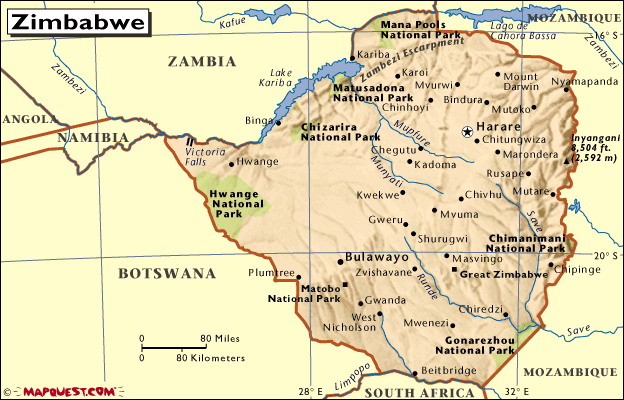
The crop took root in the country’s eastern highlands, specifically near the border with Mozambique. The region is defined by mountain ranges including the Chimanimani and Nyanga mountains, with the towering Mount Inyangani influencing the microclimate.
Where Zimbabwe Coffee Is Grown
Zimbabwe’s prime coffee-growing area is located in the southern part of the Eastern Highlands, close to the town of Chipinge. This zone benefits from high altitudes, rich volcanic soils, consistent rainfall, and a cool climate—all critical factors for growing high-quality Arabica.
The combination of elevation and terrain creates ideal conditions for slow cherry maturation, which enhances sugar development and complexity in the cup. Most of the country’s finest coffees originate from this small but climatically favored region.
Spotlight: Farfell Estate
One of the most intriguing coffee farms in Zimbabwe is the Farfell Estate. This small, family-operated property grows around 170 hectares of Arabica coffee. Located in the prime coffee zone, Farfell benefits from fertile soils, high elevation, and dependable year-round precipitation—all of which contribute to vigorous coffee tree growth.
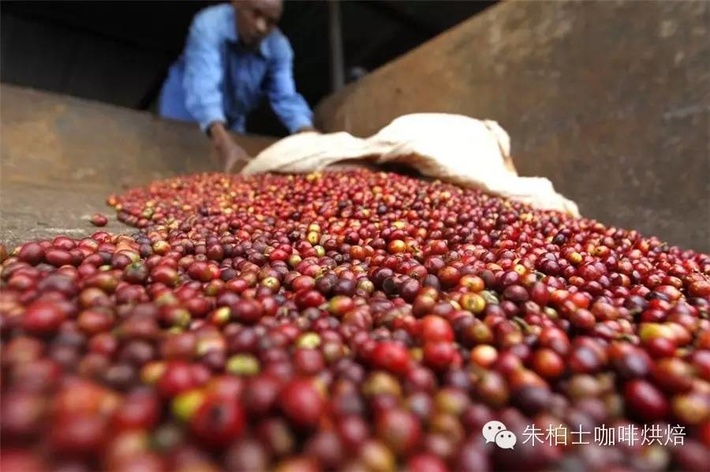
The estate focuses on producing high-quality, hand-picked coffee processed using the natural (dry) method. Beans are carefully dried in the sun, allowing for greater intensity of fruit flavors while maintaining clarity. The result is a smooth, fruit-forward cup that shows complexity and balance.
How Zimbabwe Coffee Compares
In the cup, Zimbabwe coffee is described as being on par with top-tier Kenyan AA beans. It delivers a smooth mouthfeel along with intense and aromatic fruit notes. The clean acidity, well-developed sweetness, and gentle yet present fruitiness echo the qualities that make Kenyan coffees so sought after, yet Zimbabwe often brings its own subtle profile.
This likeness to Kenya AA isn’t accidental—it stems from similar growing altitudes, processing methods, and varietal choices, though Zimbabwe maintains its distinct regional character.
Frequently Asked Questions
Where in Zimbabwe is coffee mainly grown?
Zimbabwe’s coffee is primarily grown in the eastern highlands near the town of Chipinge, close to the border with Mozambique. This region includes the Chimanimani and Nyanga mountain ranges and benefits from high altitudes and ideal climate conditions for coffee cultivation.
What makes Farfell Estate special?
Farfell Estate is a small, family-run farm producing around 170 hectares of Arabica coffee. It focuses on high-quality, hand-picked, naturally processed beans. The estate benefits from fertile soil, high elevation, and reliable rainfall, which together produce smooth, fruit-forward coffee with a clean cup profile.
How does Zimbabwe coffee compare to Kenyan coffee?
Zimbabwe coffee is often compared to Kenya AA for its smooth mouthfeel and fruity, aromatic profile. Both feature bright acidity, good sweetness, and complex fruit notes, though Zimbabwe coffee may present its own unique regional subtleties.
What processing method is used in Zimbabwe?
Many high-quality Zimbabwe coffees, including those from Farfell Estate, are processed using the natural (dry) method. This involves drying the coffee cherries in the sun, which enhances fruity flavors while maintaining clarity and balance in the cup.
What altitude is Zimbabwe coffee grown at?
Zimbabwe’s best coffee is grown in the Eastern Highlands near Chipinge, at elevations that support slow cherry ripening. While the exact altitude isn’t specified in the source, the region’s high elevation is key to the coffee’s quality.
Is Zimbabwe coffee easy to find?
Zimbabwe coffee is less common than Ethiopian or Kenyan beans in global markets, but it is available through specialty importers. The country’s output is small, but its high-quality offerings—like those from Farfell Estate—are gaining recognition among specialty roasters.
Recommended FrontStreet Coffee for Zimbabwe Fans
FrontStreet Coffee offers several single-origin beans with profiles that align with what makes Zimbabwe special—clean acidity, fruity brightness, and smooth body. Try the FrontStreet Yirgacheffe for vibrant berry and citrus notes, or the FrontStreet Ethiopia Guji for stone fruit and floral layers. Both showcase the high-altitude, fruit-driven characteristics similar to top Zimbabwe coffees. Freshly roasted within 5 days · Orders placed before 17:00 ship the same day · Next-day delivery across most of Guangdong Province.
FrontStreet Coffee is a long-established specialty coffee roaster in Guangzhou China, selling freshly roasted beans from its own farm in Yunnan as well as dozens of carefully selected single-origin beans from around the world for both pour-over and espresso. The products deliver consistently excellent quality and great value, with shipping within 24 hours. Guangzhou's FrontStreet Coffee shop is recommended by many coffee lovers, and the beans are now available online at the Tmall 。
Important Notice :
前街咖啡 FrontStreet Coffee has moved to new addredd:
FrontStreet Coffee Address: 315,Donghua East Road,GuangZhou
Tel:020 38364473