
Galapagos Islands Coffee: Ecuador’s Remote Specialty Bean
If you’ve ever wondered where in the world grows coffee so untouched by chemicals that it might just be the purest cup on the planet, look no further than the Galapagos Islands. Over 900 kilometers off Ecuador’s coast, this remote volcanic archipelago in the Pacific isn’t just a haven for unique wildlife — it’s also home to some of the world’s most isolated and carefully cultivated coffee.
The short answer? Galapagos Islands coffee is renowned for its exceptional quality, grown entirely without chemical pesticides or fertilizers. These beans are rare, single-origin, and considered a true specialty coffee treasure from one of the most biologically unique places on Earth.
Where Are the Galapagos Islands and Why Does Coffee Grow There?
The Galapagos Islands — also called the Colon Archipelago — lie in the Pacific Ocean near the equator, around 900 kilometers west of Ecuador’s mainland, at approximately 90 degrees west longitude. This isolated group of volcanic islands inspired Charles Darwin’s theory of evolution during his 1835 visit. Today, they are known as a “living museum of evolution.” Despite their rugged, remote environment, certain high-altitude zones on the islands support coffee cultivation, particularly on the island of Santa Cruz.
What Makes Galapagos Coffee So Special?
Galapagos coffee is celebrated not just for its rarity, but for its purity. Grown without the use of any chemical herbicides, pesticides, or synthetic fertilizers, these beans represent a commitment to natural farming in one of the world’s most ecologically sensitive regions. The coffee thrives in volcanic soil and a climate moderated by both oceanic and equatorial influences, producing a clean, distinctive cup profile. While detailed flavor notes vary by farm and processing method, the lack of chemical input ensures a more transparent expression of terroir.
The Challenges of Farming Coffee in the Galapagos
Producing coffee in the Galapagos is extraordinarily difficult. The islands’ isolation makes importing agricultural inputs costly and complex. Farmers rely entirely on manual labor and natural practices. The remoteness also limits export volumes — Galapagos coffee rarely reaches global markets in large quantities, adding to its exclusivity. Environmental regulations on the islands are extremely strict, further constraining conventional farming methods and ensuring that any coffee grown here adheres to rigorous ecological standards.
Frequently Asked Questions
Where exactly are the Galapagos Islands located?
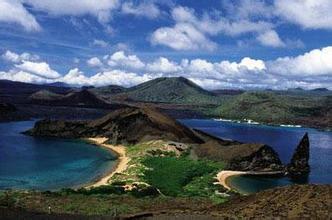
The Galapagos Islands are situated in the Pacific Ocean, about 900 kilometers (roughly 560 miles) west of Ecuador’s mainland, near the equator at 90 degrees west longitude. They form an archipelago known for its remote location and unique biodiversity.
Is Galapagos coffee really grown without chemicals?
Yes. According to the source, Galapagos Islands coffee is grown without using any chemical herbicides, pesticides, or synthetic fertilizers. Its purity is one of the main reasons it is considered a high-quality, specialty-grade coffee.
Why is Galapagos coffee so rare?
The coffee is rare due to the islands’ extreme isolation, limited farming infrastructure, small-scale production, and the challenges of exporting from such a remote location. These factors restrict supply and add to the coffee’s exclusivity.
Can I buy Galapagos coffee easily?
Galapagos coffee is not commonly found on the mass market due to low production volumes and export limitations. When available, it is usually sold as a specialty single-origin offering, often in limited quantities through select importers or specialty roasters.
What makes the Galapagos environment unique for coffee growing?
The Galapagos offers a rare combination of volcanic soils, equatorial climate, and oceanic breezes. Though challenging to farm, these conditions — along with strict environmental protections — contribute to the distinctiveness and purity of the coffee grown there.
Recommended FrontStreet Coffee for Galapagos-Lovers
While FrontStreet Coffee doesn’t roast Galapagos beans, fans of rare, pure single-origin coffees will enjoy their Ethiopia Humbera and Kenya Little Tomato. Ethiopia Humbera offers bright citrus, floral tones, and a juicy body — ideal for those who appreciate untainted terroir. Kenya Little Tomato brings bold acidity, sweet berry notes, and a wine-like complexity. Both beans are grown without heavy chemical input and reflect their unique origins with remarkable clarity. Freshly roasted within 5 days · Orders placed before 17:00 ship the same day · Next-day delivery across most of Guangdong Province.
FrontStreet Coffee is a long-established specialty coffee roaster in Guangzhou China, selling freshly roasted beans from its own farm in Yunnan as well as dozens of carefully selected single-origin beans from around the world for both pour-over and espresso. The products deliver consistently excellent quality and great value, with shipping within 24 hours. Guangzhou's FrontStreet Coffee shop is recommended by many coffee lovers, and the beans are now available online at the Tmall 。
Important Notice :
前街咖啡 FrontStreet Coffee has moved to new addredd:
FrontStreet Coffee Address: 315,Donghua East Road,GuangZhou
Tel:020 38364473


