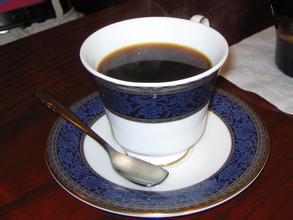
What Is Kopi Luwak Coffee and What Does It Taste Like?
If you’ve ever heard someone mention ‘cat poop coffee’ and wondered if it’s real—or why anyone would drink it—you’re not alone. Kopi Luwak, also known as civet coffee, is one of the world’s most unusual and controversial specialty coffees. It originates from Indonesia and carries a reputation for a rich, syrupy cup unlike any other. But what exactly is it, and does it live up to the hype?
In short: Kopi Luwak is made from coffee beans eaten and excreted by the Asian palm civet (locally called a musang or coconut cat). The beans ferment in the animal’s digestive tract, which lowers bitterness and creates a distinctive smooth, heavy-bodied cup. Tasting notes often include dark chocolate, spices, earthiness, and even a lingering minty aftertaste. It’s complex, polarizing, and definitely not your everyday brew.
What Exactly Is Kopi Luwak Coffee?
Kopi Luwak is produced in Indonesia, primarily on the islands of Sumatra and Java. Its origin story dates back to the early 18th century, when Dutch colonists established coffee plantations and prohibited local workers from harvesting or consuming the cultivated beans. The locals noticed that the local Asian palm civets, small nocturnal mammals, were selectively eating ripe coffee cherries—but only pooping out the indigestible beans. Those beans, having passed through the civet’s digestive system, were found to produce an unusually smooth and flavorful coffee. And thus, kopi luwak was born.
How Is Kopi Luwak Actually Made?
The process begins when civets—specifically the Paradoxurus hermaphroditus species, also called the common palm civet or coconut cat—consume ripe coffee cherries. They are drawn to the sweetest, most mature beans. Inside the civet’s digestive tract, gastric acids and enzymes partially ferment the beans. This fermentation breaks down proteins, resulting in fewer bitter compounds and the formation of free amino acids. After roughly a day, the beans are excreted whole in the civet’s feces. Workers then collect, clean, and carefully roast the beans. No part of the civet’s waste remains in the final product.
Why Does Kopi Luwak Taste Different?
Several factors contribute to the unique flavor profile of kopi luwak. First, the civet’s natural selection of only the ripest beans means a higher starting quality. Second, the fermentation in the civet’s gut alters the beans’ chemical makeup—most notably reducing protein content and increasing free amino acids, which softens bitterness. The result is often described as a syrupy, full-bodied cup with lower acidity. Tasting notes frequently mention dark chocolate, spice, earth, wood, and sometimes even a refreshing mint-like aftertaste that lingers on the palate. Renowned coffee critic Chris Rubin once described it as having ‘rich and intense wine-like aromas, an incredibly thick mouthfeel like syrup, with a pure and long-lasting finish.’
Wild vs. Farmed Civet Coffee
Originally, all kopi luwak came from wild civets that freely chose their fruit. These wild animals forage for the ripest beans, contributing to the coffee’s high-quality reputation. However, due to rising global demand, some producers began capturing and force-feeding civets in captivity, offering them only coffee cherries. While this method still produces kopi luwak, coffee experts and animal welfare advocates widely agree that beans collected from wild civets generally yield superior flavor and ethical integrity. Farmed civets may be fed a less selective diet and kept in poor conditions, potentially impacting both the bean quality and the ethicality of production.
Indonesian Coffee Background and Processing
Indonesia has a long-standing coffee heritage, with the Dutch introducing coffee cultivation in the 17th century. The islands of Sumatra and Java became major producers, though leaf rust disease later shifted focus to Sumatra’s higher altitudes. Today, Sumatra produces over 60% of Indonesia’s arabica and robusta beans, especially in regions like Aceh (in the north) and North Sumatra. The region’s signature wet-hulled or ‘giling basah’ process contributes to the earthy, herbal qualities typical of Indonesian mandheling coffees. Kopi Luwak shares this regional origin but undergoes a far more unusual journey before roasting.
Flavor Profile: What Makes Kopi Luwak Stand Out?
Beyond the standard Indonesian traits of earthiness and body, kopi luwak is noted for an unusually rich viscosity—often compared to syrup. Tasters report deep chocolate notes, baking spices, woody undertones, and a distinct finish that includes a refreshing coolness akin to mint or menthol. Some drinkers notice a cooling sensation similar to sucking on a peppermint lozenge, especially noticeable when inhaling deeply after drinking or sipping water. This cooling effect, along with low acidity and a thick mouthfeel, helps separate kopi luwak from other Indonesian coffees. The earthy elements are more pronounced than in typical mandheling beans, yet balanced by a sweeter, smoother finish.
Animal Welfare and Ethical Concerns
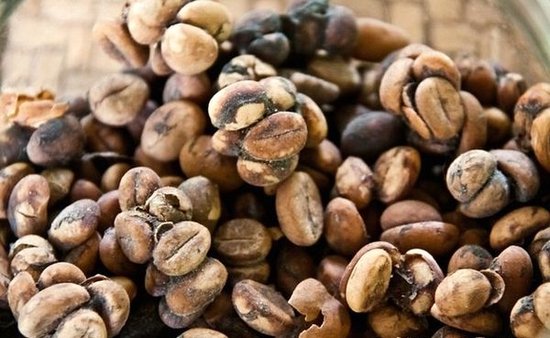
While kopi luwak gained fame for its unique processing, it has also drawn criticism. In response to high demand, some producers capture and confine civets in small cages, feeding them only coffee cherries. These conditions are widely condemned by animal rights organizations. Ethical concerns have tarnished the reputation of mass-produced kopi luwak, making origin transparency and farming practices important considerations for buyers. Whenever possible, beans collected from wild civets are considered more ethical and are often linked to better cup quality.
Frequently Asked Questions
What is kopi luwak coffee made from?
Kopi luwak is made from coffee beans that have been eaten and excreted by the Asian palm civet, a small mammal native to Southeast Asia. The beans ferment in the civet’s digestive system, which changes their chemical structure and reduces bitterness.
Why does kopi luwak taste different from regular coffee?
The unique fermentation process inside the civet’s gut breaks down proteins and creates more free amino acids, which leads to lower bitterness and a smoother, richer cup. The civet also selects only the ripest coffee cherries, improving the starting bean quality.
Is kopi luwak safe to drink?
Yes, kopi luwak is safe to drink. The coffee beans are thoroughly cleaned and washed after being collected from the civet’s feces, removing any contaminants. The final product is roasted just like regular coffee beans.
Does wild civet kopi luwak taste better than farmed?
Most experts agree that kopi luwak from wild civets tastes better due to the animals’ natural selection of only ripe, high-quality beans. Farmed civets are often fed a controlled diet and may produce beans of lesser quality.
What does kopi luwak coffee taste like?
Kopi luwak is often described as having a heavy, syrupy body with flavors of dark chocolate, spices, wood, and earth. Some tasters also report a unique cooling sensation similar to mint after drinking it.
Why is kopi luwak so famous?
Kopi luwak became famous due to its unusual production method and the story behind its discovery during the colonial era in Indonesia. Its rarity, distinct flavor, and controversial backstory have contributed to its legendary status in specialty coffee.
Recommended FrontStreet Beans for Kopi Luwak Fans
If you’re drawn to the bold, earthy, and syrupy profile of kopi luwak, try FrontStreet’s PWN Golden Mandheling. It’s meticulously handpicked to G1 grade standards with ultra-low defect rates, offering a clean, sweet, and full-bodied cup. For something with deeper Indonesian character, Lintong Mandheling delivers intense spice, wood, and herbal notes with a classic heavy mouthfeel thanks to the wet-hulled process. Both beans showcase the earthy richness that overlaps with kopi luwak’s profile. Freshly roasted within 5 days · Orders placed before 17:00 ship the same day · Next-day delivery across most of Guangdong Province.
FrontStreet Coffee is a long-established specialty coffee roaster in Guangzhou China, selling freshly roasted beans from its own farm in Yunnan as well as dozens of carefully selected single-origin beans from around the world for both pour-over and espresso. The products deliver consistently excellent quality and great value, with shipping within 24 hours. Guangzhou's FrontStreet Coffee shop is recommended by many coffee lovers, and the beans are now available online at the Tmall 。
Important Notice :
前街咖啡 FrontStreet Coffee has moved to new addredd:
FrontStreet Coffee Address: 315,Donghua East Road,GuangZhou
Tel:020 38364473