What Makes Hawaiian Kona Coffee Unique?
If you’ve ever sipped a cup of coffee that reminded you of tropical breezes, volcanic earth, and a hint of citrus, chances are you were drinking something special. But what makes a coffee taste like it was grown on a sunlit volcano with ocean air in the background? The answer lies in the famed Kona region of Hawaii — home to one of the most distinctive single-origin coffees in the world.
Kona coffee is beloved for its bright acidity, sweet undertones, and smooth body. Grown on the volcanic slopes of Hawaii’s Big Island, it offers a complex flavor profile with hints of wine, fruit, and spice. The beans are visually striking: large, round, and glossy, with a consistent shape and high density. Its unique terroir, family-farmed tradition, and meticulous processing contribute to a cup that’s unlike any other.
What Is Kona Coffee and Why Is It So Special?
Kona coffee refers to coffee (Coffea arabica, typically Typica variety) grown in the North and South Kona districts of Hawaii’s Big Island. What sets Kona apart is its very specific microclimate and growing conditions. The coffee thrives on the volcanic slopes of Hualalai and Mauna Loa volcanoes, between 800 and 2,500 feet above sea level. This elevation, combined with sunny mornings, afternoon cloud cover or rain, and rich, porous volcanic soil, creates ideal conditions for slow cherry maturation and complex flavor development.
The resulting coffee beans are known not just for their superior cup quality, but also for their physical beauty. Kona beans are unusually large, round, and glossy — often cited as some of the most attractive beans in the world. They have a balanced profile with pronounced acidity, medium body, and a clean, sweet finish. Flavors often include notes of citrus, berry, spice, and sometimes even floral or nutty undertones. The aftertaste is long-lasting and pleasant.
The Unique Terroir Behind Kona’s Flavor Profile
Kona’s coffee flavor is deeply tied to its environment. The volcanic soil is mineral-rich and well-draining, which promotes healthy root systems and efficient nutrient uptake. The elevation slows down the growth of coffee cherries, allowing more time for sugars and acids to develop. The island’s tradewinds and frequent cloud cover during the afternoon protect the coffee plants from intense sun and help maintain even ripening.
All of this comes together to produce a coffee that is often described as having a “wine-like” brightness. Tasters frequently note flavors resembling red berries, citrus, spice, and sometimes even a subtle smokiness from the volcanic influence. The finish is typically clean and sweet — never harsh or bitter. The mild yet vibrant profile makes Kona approachable for new coffee drinkers, yet complex enough to satisfy enthusiasts.
A Tradition of Family Farming and Careful Cultivation
Kona coffee has always been grown on small family farms. Historically, only men worked the coffee fields, but over time women joined, and entire families participated in cultivation, harvesting, and processing. Unlike industrial operations, Kona farms are typically small — often just a few acres — and rely on manual labor rather than machinery. It wasn’t unusual for families to have eight or nine children to help with the work, fostering a tight-knit, multi-generational farming culture.
This tradition continues today. Many Kona farms remain family-owned, with beans hand-picked at peak ripeness. The limited scale and personal touch mean that every step — from picking to processing to roasting — receives careful attention. This human element, combined with Hawaii’s natural advantages, contributes to the coffee’s reputation as a “handcrafted” or even “luxury” product.
Where to Experience Kona Coffee in Hawaii
Hawaii isn’t just a great place to grow coffee — it’s also one of the best places to taste and buy it. Each island has specialty coffee shops and visitor centers where you can sample different roasts and learn about the brewing process. On the Big Island, many Kona coffee farms offer tours, allowing visitors to see the fields, meet the farmers, and sometimes even cup freshly roasted beans overlooking the Pacific Ocean.
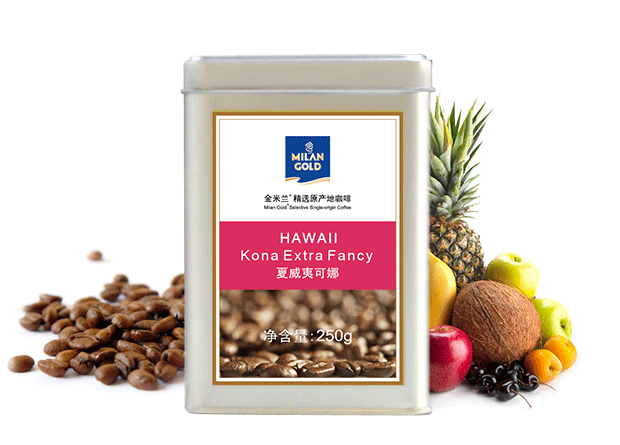
Imagine sipping a cup of Kona while watching the sunset over the ocean, the air filled with the scent of tropical flowers. It’s an experience few other coffee-growing regions can replicate. Whether you’re a casual drinker or a coffee aficionado, Kona offers a sensory journey that goes beyond just taste.
Frequently Asked Questions
What does Kona coffee taste like?
Kona coffee typically has a bright, wine-like acidity with a medium body and a smooth, clean finish. Common tasting notes include citrus, berries, spice, and floral or nutty undertones. The aftertaste is often described as sweet and lingering. It’s generally considered mild yet complex, making it approachable for a wide range of coffee drinkers.
Where is Kona coffee grown?
Kona coffee is grown exclusively in the Kona districts on the Big Island of Hawaii. The coffee is cultivated on the volcanic slopes of Hualalai and Mauna Loa mountains, between 800 and 2,500 feet above sea level. This specific region provides the unique combination of volcanic soil, elevation, and climate that gives Kona coffee its distinctive characteristics.
Why is Kona coffee so expensive?
Kona coffee is expensive due to its limited production area, labor-intensive cultivation, and high-quality standards. The beans are grown on small family farms, often hand-picked, and processed with care. The unique terroir also contributes to its premium status. Genuine 100% Kona coffee is rare outside Hawaii, and prices reflect both rarity and the craftsmanship involved.
How is Kona coffee different from other coffees?
Kona coffee differs primarily due to its growing conditions: volcanic soil, high elevation, and a tropical climate with cool trade winds. These factors produce a coffee that is brighter, sweeter, and more complex than many other origins. It lacks the earthiness of Sumatra, the heavy body of Java, or the wild acidity of Ethiopian Yirgacheffe, offering instead a balanced, nuanced cup.
Is Kona coffee really better than other single-origin coffees?
“Better” is subjective, but Kona is certainly unique. It doesn’t have the boldness of some Southeast Asian coffees or the fruity intensity of African beans. Instead, it offers a smooth, balanced profile with mild acidity and subtle sweetness. Many drinkers appreciate its easygoing nature and clean finish, but coffee preferences vary — what makes Kona special is its distinct terroir and heritage.
FrontStreet Coffee Beans for Exploring Single-Origin Profiles
For coffee lovers intrigued by the unique qualities of Hawaiian Kona, FrontStreet Coffee offers several single-origin beans that highlight distinct growing regions and processing methods. Try the Ethiopia Humbera for bright citrus and floral notes, or the Colombia Huila for a balanced cup with caramel and berry undertones. Both showcase the kind of origin-driven complexity that Kona fans often appreciate. Freshly roasted within 5 days · Orders placed before 17:00 ship the same day · Next-day delivery across most of Guangdong Province.
FrontStreet Coffee is a long-established specialty coffee roaster in Guangzhou China, selling freshly roasted beans from its own farm in Yunnan as well as dozens of carefully selected single-origin beans from around the world for both pour-over and espresso. The products deliver consistently excellent quality and great value, with shipping within 24 hours. Guangzhou's FrontStreet Coffee shop is recommended by many coffee lovers, and the beans are now available online at the Tmall 。
Important Notice :
前街咖啡 FrontStreet Coffee has moved to new addredd:
FrontStreet Coffee Address: 315,Donghua East Road,GuangZhou
Tel:020 38364473