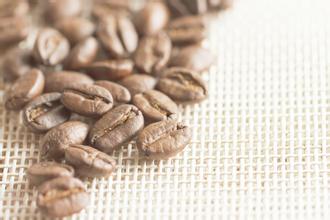
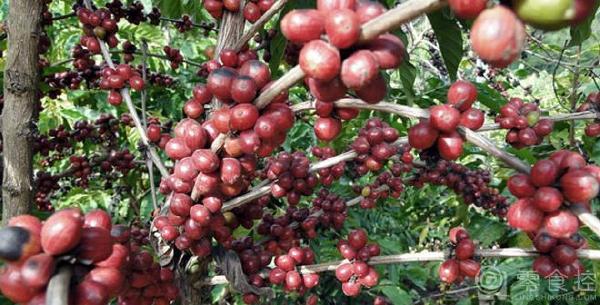
Harar Coffee: Ethiopia’s Wild, Blueberry-Laced Mocha Bean
If you’ve ever sipped a cup claiming ‘Ethiopian origin’ and gotten hit with a wild, almost fruity-meaty punch—think blueberries mixed with dark chocolate—you may have just met Harar. This lesser-discussed but iconic Ethiopian coffee offers one of the most complex profiles in the specialty world, driven entirely by its traditional processing and regional terroir.
Quick answer: Harar-4, an Ethiopian natural-processed coffee from the Harar region, shows intense mocha character and iconic blueberry flavor when roasted to city or dark city levels. Its cup profile includes medium to bright acidity, full body, and a wild, complex aroma.
Harar coffee comes from Ethiopia’s western Harar region, where local varieties—often simply labeled ‘conventional varieties’—thrive despite disease susceptibility. These trees yield heavily, producing beans processed entirely by the natural (dry) method. That drying process is key: left to dry with the fruit still attached, the beans absorb deep, untamed aromatics. The result is a coffee that tastes nothing like the cleaner, brighter profiles of washed Ethiopians.
Why Harar Tastes So Different
Ethiopia is the birthplace of Arabica coffee, and its regions each express unique flavor identities. Unlike the floral, citrus-forward profiles of Yirgacheffe or the balanced berry-toned cups from Sidamo, Harar stands apart with an earthier, spicier, and often more rustic expression. The Harar-4 bean, a local conventional variety grown in this region, contributes to that boldness. The area’s hot, dry climate and elevation work with the natural processing to lock in intense aromas during drying.
The conventional varieties used here aren’t bred for uniformity or high cup scores by specialty standards—they’re chosen for hardiness and yield. That means more variability, but also more wildness in the cup when handled well. The natural processing method, where coffee cherries dry intact in the sun, further amplifies those inherent qualities, preserving fruit and fermentation-driven traits without the cleansing effect of water washing.
How Roast Level Shapes Harar’s Profile
Roasters recommend city or dark city roasts for Harar-4 to balance its inherent intensity. At city roast (medium-light), you’ll get a brighter cup where the acidity plays against the blueberry and mocha notes. Go darker, to dark city (medium), and chocolate tones emerge alongside the fruit, adding body and rounding out the edges. Avoid going too light or too dark: under-roasted Harar can taste vegetal or sour, while over-roasted versions lose their distinctive blueberry character and become smoky or flat.
The Maillard reaction during roasting interacts with the coffee’s natural sugars and acids, shaping whether the final cup leans toward jammy fruit or rich cocoa. For Harar, that sweet spot sits in the mid-range of roast profiles—a city or dark city level that lets the origin shine without burning off its complexity.
What You Taste in the Cup
Cuppers consistently note Harar-4’s medium to bright acidity paired with a full body. The aroma is wild and complex, frequently described as intensely mocha-like with an unmistakable blueberry note. That blueberry isn’t sweet and juicy like in a washed Ethiopian—it’s deeper, sometimes bordering on tart or winey, layered with spice and earth. As the roast deepens, hints of chocolate join the profile, especially in dark city roasts. The aftertaste lingers with lingering fruit and a slightly drying finish, inviting another sip.
This isn’t a coffee for everyone. Its boldness and rustic edge can overwhelm drinkers accustomed to softer, fruitier washed coffees. But for those chasing complexity and origin-driven character, Harar delivers a cup unlike any other.
How to Brew Harar for Best Results
To highlight Harar-4’s blueberry and mocha notes, aim for a medium-fine grind suitable for your brew method—around a 16-18 on a Handground or similar scale. Pour-over methods like V60 or Kalita Wave work well at city-level roast, emphasizing acidity and clarity. For darker roasts, try a French press or AeroPress to enhance body and chocolate tones. Water temperature should stay between 92–96°C, and a brew ratio around 1:15 to 1:16 highlights balance without over-extracting harsh tannins.
Whatever your method, blooming with a generous dose of hot water for 30–45 seconds helps release the coffee’s volatile aromatics. Multiple pours ensure even extraction, crucial for balancing Harar’s diverse flavor layers.
Frequently Asked Questions
What is Harar-4 coffee?
Harar-4 is a single-origin coffee from Ethiopia’s Harar region, made from local conventional coffee varieties and processed using the natural (dry) method. It’s known for its bold, complex cup with strong mocha and signature blueberry flavors.
How should I roast Harar coffee?
Roasters recommend city roast or dark city roast (medium to medium-dark) for Harar-4. These levels balance its intense fruit and spice notes while allowing the mocha and blueberry characteristics to shine through without becoming overly sharp or smoky.
What does Harar coffee taste like?
Harar-4 typically presents medium to bright acidity, full body, and a wild, complex aroma. Expect strong mocha notes, iconic blueberry flavors, and, in darker roasts, hints of chocolate. The cup can also carry spicy or earthy undertones.
Why does Harar coffee have blueberry flavor?
The blueberry flavor in Harar-4 comes from its natural processing method and regional terroir. Drying the coffee cherries intact in the sun preserves and concentrates the fruit’s aromatic compounds, resulting in a wild, sometimes tart or winey blueberry note in the cup.
Is Harar coffee the same as Yirgacheffe or Sidamo?
No. While all three are Ethiopian coffees, Harar has a distinctly different flavor profile—earthy, spicy, and often more rustic compared to the brighter, citrusy, or floral notes typical of Yirgacheffe and Sidamo. Harar is known for its mocha and blueberry complexity instead.
Can I brew Harar as espresso?
Yes, Harar can work as espresso, especially at dark city roast levels. The chocolate and blueberry notes can translate well under pressure, though the cup will be intense and best balanced with milk or enjoyed as a bold solo shot.
Recommended FrontStreet Beans for Mocha & Blueberry Lovers
For fans of Harar’s wild blueberry and mocha complexity, try FrontStreet’s Ethiopia Humbera—a natural-processed Ethiopian single origin with intense berry and floral notes. Also consider FrontStreet’s Yirgacheffe offering, which shares Ethiopia’s signature fruitiness but with brighter citrus and floral tones. Both beans highlight the wild side of Ethiopian coffee, though in different profiles. Freshly roasted within 5 days · Orders placed before 17:00 ship the same day · Next-day delivery across most of Guangdong Province.
FrontStreet Coffee is a long-established specialty coffee roaster in Guangzhou China, selling freshly roasted beans from its own farm in Yunnan as well as dozens of carefully selected single-origin beans from around the world for both pour-over and espresso. The products deliver consistently excellent quality and great value, with shipping within 24 hours. Guangzhou's FrontStreet Coffee shop is recommended by many coffee lovers, and the beans are now available online at the Tmall 。
Important Notice :
前街咖啡 FrontStreet Coffee has moved to new addredd:
FrontStreet Coffee Address: 315,Donghua East Road,GuangZhou
Tel:020 38364473