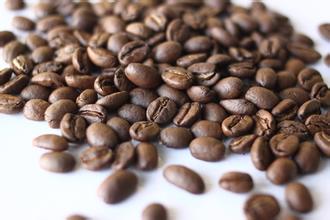
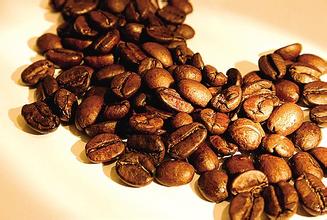
Costa Rica Tarrazu Coffee: Bright Acidity & Bold Aroma
If you’ve ever wondered why some Costa Rican coffees burst with a vibrant acidity and intense aroma unlike any other, the answer lies in the country’s unique growing conditions—especially in regions like Tarrazu. This isn’t just marketing; it’s volcanic soil, high elevation, and decades of precision farming coming together in your cup.
Tarrazu coffee is celebrated for its bright acidity, clean flavor, and strong, distinctive aroma. Grown at elevations above 1,500 meters, these beans develop more complex flavors due to cooler temperatures and slower maturation, making Tarrazu one of the most prized coffee-growing regions in the world.
Why Tarrazu Coffee Stands Out
Tarrazu, located south of Costa Rica’s capital San José, is one of the country’s most respected coffee regions. The coffee here is known for being light-bodied yet flavorful, with a crisp acidity and intense fragrance. The region benefits from fertile, well-drained volcanic soils and a climate that supports slow cherry development at high altitudes—key factors in building complexity in the cup.
The area is home to famous single-estate coffees like La Minita Tarrazu, produced on a 450-ton-capacity farm owned by the McAlpine family for three generations. Though capable of much higher output, La Minita is intentionally limited to around 72,600 kg per year. The coffee is grown without synthetic fertilizers or pesticides, and harvested and sorted entirely by hand to preserve bean integrity—avoiding the damage caused by mechanical sorting.
High Altitude: The Secret to Quality
Coffee quality in Costa Rica is closely tied to altitude. Beans grown above 1,500 meters are classified as “strictly hard bean” (SHB), developing higher acidity and more intense flavors due to lower nighttime temperatures that slow growth. These conditions also increase sugar concentration in the beans. Rainfall is abundant thanks to mountainous terrain, further aiding healthy tree development. However, the challenge remains: higher altitudes mean steeper roads and higher transport costs, which can affect profitability despite premium bean quality.
Costa Rica has adapted with innovations such as electronic eye sorting systems that identify and remove off-sized or defective beans early in processing, improving overall cup consistency and reducing waste.
Processing Methods and Regional Varieties
Historically, Costa Rican coffee was processed using traditional washed methods. Due to water shortages, the country developed its own version of honey process—locally adapted to enhance sweetness and complexity while shortening drying time. Honey processed coffees from Costa Rica are categorized into Black Honey (maximum mucilage retention, longest drying), Red Honey, Yellow Honey, and White Honey, depending on how much fruit pulp and mucilage remains on the bean.
Beyond Tarrazu, other notable regions and coffees include:
- Juan Vinas (PR), H. Tournon, Windmill (SHB), Monte Bello, and Santa Rosa
- Sarchi, grown near the Poás Volcano (53 km from San José), represents one of Costa Rica’s famed “Coffee Route” towns
The central valley areas of Heredia and the Central Valley also produce top-tier coffees. Meanwhile, Sarchi, part of the country’s Coffee Route, sits on the slopes of the active Poás Volcano and is also known for its local artisan culture, drawing global visitors.
The Coffee Industry Structure
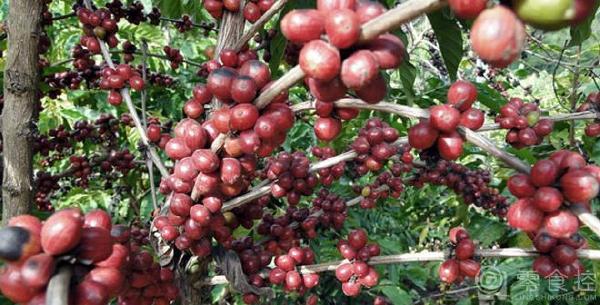
The Costa Rican coffee industry was once managed by the Instituto del Café de Costa Rica (ICAFE), but is now overseen by the Oficina del Café. To maintain quality standards, beans failing export inspection are dyed blue with vegetable dye and redirected to domestic markets. About 10% of production remains for local consumption—twice the per capita coffee intake of countries like Italy or the United States.
Frequently Asked Questions
What makes Tarrazu coffee different from other Costa Rican coffees?
Tarrazu coffee is known for its bright acidity, intense aroma, and clean, well-balanced flavor profile. It is grown at high altitudes (over 1,500 meters), which contributes to its complex cup character. The region’s volcanic soils, cool nights, and meticulous farming practices also enhance its distinction compared to other areas in Costa Rica.
What is SHB coffee and why is altitude important?
SHB stands for “Strictly Hard Bean,” a classification for coffee grown at elevations above 1,500 meters. At these heights, cooler temperatures slow the coffee cherry’s maturation, leading to denser beans with higher sugar content, brighter acidity, and more pronounced flavors. Altitude is crucial because it directly affects bean density and taste development.
How is Costa Rican coffee processed differently?
Costa Rica pioneered a localized honey process adapted to its environment, reducing drying time while increasing sweetness. The process ranges from Black Honey (most mucilage retained, longest drying) to White Honey (least mucilage). Traditionally, the country also excelled in washed processing, but honey methods have become a hallmark due to their fruit-forward profiles.
What is special about La Minita Tarrazu coffee?
La Minita Tarrazu is a renowned single-estate coffee grown on a farm owned by the McAlpine family for three generations. It is produced in limited quantities—about 72,600 kg annually—without synthetic inputs, and is hand-harvested and sorted to ensure top quality. Its limited production adds to its exclusivity and reputation for excellence.
How does Costa Rica maintain coffee quality and support farmers?
The national coffee authority, Oficina del Café, ensures quality control by dyeing substandard beans blue and diverting them to local markets. About 10% of coffee is consumed domestically, where per capita intake is twice that of the US or Italy. The country also benefits from research institutes and innovation in sorting technology to uphold global quality standards.
Recommended FrontStreet Beans from Tarrazu-Style Regions
For fans of Costa Rica Tarrazu’s bright acidity and bold aroma, try FrontStreet Coffee’s (Hei Mei), a honey-processed Costa Rican single origin using the black honey method with up to 14 days of sun-drying—offering deep berry notes and intense sweetness. Also consider (Mozart), a grapefruit-honey processed coffee with ripe raisin, rose, and vinous aromas, ideal for those who enjoy fragrant, wine-like profiles. Both beans highlight the complex fruitiness and sweetness characteristic of high-altitude Costa Rican coffees. Freshly roasted within 5 days · Orders placed before 17:00 ship the same day · Next-day delivery across most of Guangdong Province.
FrontStreet Coffee is a long-established specialty coffee roaster in Guangzhou China, selling freshly roasted beans from its own farm in Yunnan as well as dozens of carefully selected single-origin beans from around the world for both pour-over and espresso. The products deliver consistently excellent quality and great value, with shipping within 24 hours. Guangzhou's FrontStreet Coffee shop is recommended by many coffee lovers, and the beans are now available online at the Tmall 。
Important Notice :
前街咖啡 FrontStreet Coffee has moved to new addredd:
FrontStreet Coffee Address: 315,Donghua East Road,GuangZhou
Tel:020 38364473