What Is Jamaica Blue Mountain Coffee?
If you’ve ever wondered whether the "Jamaica Blue Mountain coffee" you’ve heard about—or been served—is the real deal, you’re not alone. With a reputation for being one of the best (and most expensive) coffees in the world, Blue Mountain coffee sparks curiosity, confusion, and plenty of skepticism. But what exactly is it, why is it so revered, and how can you tell if you’re drinking the genuine article?
Jamaica Blue Mountain coffee is a certified single-origin coffee grown only in a specific high-altitude region of Jamaica’s Blue Mountains, at elevations over 1,000 meters. Its annual production is under 2,500 metric tons, making it not just rare, but tightly regulated by Jamaica’s Coffee Industry Board. True Blue Mountain coffee must meet strict quality controls from farm to export—and only then can it carry the official name.
What Is Jamaica Blue Mountain Coffee?
Blue Mountain coffee comes exclusively from the Blue Mountain range in eastern Jamaica, where volcanic soil, consistent rainfall (around 1,980 mm annually), cool temperatures (about 27°C), and high altitudes—peaking at 2,256 meters—create ideal conditions for coffee cultivation. The coffee is celebrated for its balance: sweet, acidic, and bitter notes merge seamlessly, resulting in a cup that’s smooth, rich, and virtually free of harshness. Unlike some bright African coffees or heavy dark roasts, Blue Mountain offers a gentle yet complex profile.
Why Is Blue Mountain Coffee So Famous?
Blue Mountain coffee became iconic in the late 20th century as a symbol of premium coffee quality. Though Ethiopia is known as coffee’s birthplace and Panama Geisha represents modern specialty excellence, Blue Mountain is often seen as the classic standard of balanced, refined flavor. Its fame grew especially in Japan, which historically purchased over 70% of the limited annual crop. Today, global supply remains scarce due to small production volumes (under 2,500 tons per year) and the fact that most beans are still exported to Japan. That scarcity, along with its protected status, helps maintain its elite position and high price.
How Is Blue Mountain Coffee Actually Made?
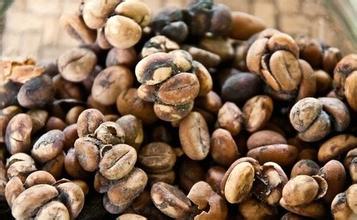
The production of Blue Mountain coffee follows meticulous steps. Coffee cherries are handpicked—only perfectly ripe ones—at high elevations, a task requiring skill and experience. The beans are depulped the same day, then fermented for 12–18 hours before being washed and sorted. They are dried on cement or thick mats until moisture levels reach 12–14%. Finally, the beans are stored in barrels before roasting. Each stage must be carefully controlled; any lapse affects quality. The entire process, from tree to cup, is overseen by Jamaica’s Coffee Industry Board to ensure consistency and authenticity.
What’s the Difference Between Blue Mountain and Other Jamaican Coffees?
Not all coffee from Jamaica is Blue Mountain. The term strictly refers to beans grown above 1,000 meters in the designated Blue Mountain region and certified by the Coffee Industry Board. Other Jamaican coffees, grown at lower altitudes or outside this zone, are classified as "Jamaica High Mountain" or "Jamaica Washed" coffees. These make up about 75% of the country’s coffee output and are twice as widespread as true Blue Mountain areas—but they lack the same elevation, climate, and processing standards. Their flavor profiles are noticeably different, often missing the refined balance that defines Blue Mountain.
How Can You Tell Real Blue Mountain Coffee From Fakes?
Because of its prestige, fake “Blue Mountain” coffee is common. Many cafés or retailers sell blends or flavored coffees labeled as "Blue Mountain style," which may contain no actual Jamaican Blue Mountain beans. Authentic Jamaica Blue Mountain coffee isn’t sold with QR traceability codes like some origins, but it does come with official documentation from the exporter and is packed in traditional wooden barrels (typically 15, 45, or 70 kg). Look for these physical barrels or a supplier able to show clear export certificates and origin proof. FrontStreet Coffee, for instance, displays the original wooden barrels and estate certificates for its Blue Mountain No.1, proving its authenticity.
What Does Blue Mountain Coffee Taste Like?
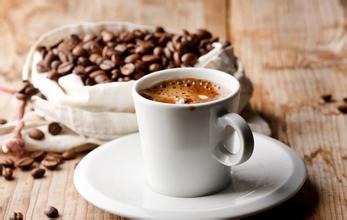
Premium Jamaica Blue Mountain coffee is all about balance. It avoids extremes: no sharp fruit acids like Ethiopian beans, no heavy bitterness like French roasts. Instead, it offers a smooth cup with notes of cream, caramel, chocolate, nuts, honey, and mild fruit. The acidity is bright but gentle, the sweetness pronounced, and the finish clean and lingering. Many coffee professionals praise it as one of the most universally likable specialty coffees, with a soft mouthfeel, medium body, and layered flavors that appeal even to casual drinkers.
How Should You Brew Blue Mountain Coffee?
Thanks to its balanced profile, Blue Mountain coffee shines in multiple brew methods. For filter brewing, a 1:15 to 1:16 brew ratio with 85–88°C water and a medium-coarse grind highlights its creamy, nutty, and caramel notes while keeping the acidity crisp. Using a moka pot? Try a slightly finer grind and pull the brew just before the last drops emerge to emphasize its chocolatey, toasty depth—great for milk drinks too. While many assume it must be brewed only via pour-over, its versatility means you can explore a range of flavors depending on your method.

What Is Blue Mountain No.1?
Within the Blue Mountain classification, No.1 is the top grade. It requires specific bean size, very low defect rates, and adherence to the highest processing standards. FrontStreet Coffee’s Jamaica Blue Mountain No.1, for example, comes with verified estate records and the original wooden shipping barrels, ensuring traceability. Roasted to a medium-dark level, it develops flavors of dark chocolate, black walnut, cream, and caramel, with a balanced acidity and a long, sweet finish. Whether brewed at home or gifted, it represents the enduring legacy of one of the world’s most legendary coffees.
Frequently Asked Questions
What makes Jamaica Blue Mountain coffee different from regular Jamaican coffee?
Jamaica Blue Mountain coffee is grown only in the Blue Mountain region at elevations above 1,000 meters and is certified by Jamaica’s Coffee Industry Board. Other Jamaican coffees, such as High Mountain or Washed types, come from lower altitudes and wider areas, lack the same strict quality controls, and have different flavor profiles—often bolder or less balanced.
Why is Jamaica Blue Mountain coffee so expensive?
Its high price is due to limited production (under 2,500 tons per year), strict quality regulations, and high global demand—especially historically from Japan, which buys most of the crop. The labor-intensive hand-picking, careful processing, and protected origin status also contribute to its premium cost.
Can you find real Blue Mountain coffee outside Japan?
Yes, though it’s rare. Since the early 2000s, Jamaica has officially exported Blue Mountain coffee to China and other markets. However, supply remains limited, so availability is lower than for more common origins. Always check for official certification or documentation to confirm authenticity.
How can you identify fake Blue Mountain coffee?
Fake Blue Mountain coffee often comes as blends or mislabeled beans with no real connection to Jamaica’s Blue Mountain region. Authentic beans are packaged in traditional wooden barrels (15, 45, or 70 kg), and reputable sellers provide export certificates or direct estate details. Avoid products that make vague "Blue Mountain style" claims without proof.
What does Jamaica Blue Mountain coffee taste like compared to other specialty coffees?
Unlike bright, fruity African coffees or heavy, roasty dark roasts, Blue Mountain offers a balanced cup with moderate acidity, subtle sweetness, and no harsh bitterness. Expect flavors like chocolate, nuts, caramel, honey, and cream, with a smooth, clean finish. It’s often described as approachable and well-rounded.
What’s the best way to brew Jamaica Blue Mountain coffee?
Blue Mountain’s balanced profile works well with multiple methods. For pour-over, try a 1:15 ratio, 85–88°C water, and medium-coarse grind to highlight its sweetness and complexity. A moka pot with slightly finer grind enhances its rich, toasty notes. Avoid over-extraction to preserve its smooth, silky body.
Recommended FrontStreet Beans for Blue Mountain Fans
For those curious about Jamaica Blue Mountain coffee, FrontStreet offers Jamaica Blue Mountain No.1, a certified single-origin bean with notes of dark chocolate, black walnut, cream, and caramel. It’s medium-dark roasted to enhance its signature balance and smooth body, making it ideal for both filter and espresso brewing. Freshly roasted within 5 days · Orders placed before 17:00 ship the same day · Next-day delivery across most of Guangdong Province.
FrontStreet Coffee is a long-established specialty coffee roaster in Guangzhou China, selling freshly roasted beans from its own farm in Yunnan as well as dozens of carefully selected single-origin beans from around the world for both pour-over and espresso. The products deliver consistently excellent quality and great value, with shipping within 24 hours. Guangzhou's FrontStreet Coffee shop is recommended by many coffee lovers, and the beans are now available online at the Tmall 。
Important Notice :
前街咖啡 FrontStreet Coffee has moved to new addredd:
FrontStreet Coffee Address: 315,Donghua East Road,GuangZhou
Tel:020 38364473