How to Identify and Understand Robusta Coffee Beans
Ever bought a cheap bag of instant coffee that tasted more like burnt rubber than roasted beans? Chances are you were drinking low-grade robusta. But is every robusta bean awful—or have some quietly earned respect in specialty coffee circles? Here’s how to tell the difference.
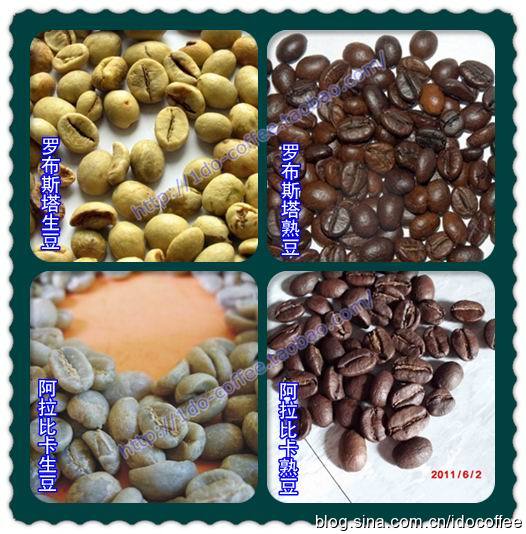
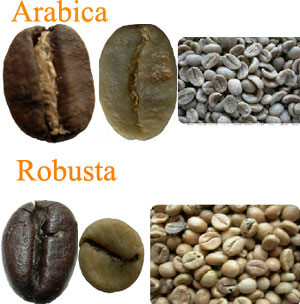
To identify robusta coffee beans, look for three main features: their smaller, rounder shape (often like a peanut), thicker and more centralized center crease, and distinct raw peanut-like smell in the green bean stage. Taste-testing roasted beans can also help—good robusta has a clean, bold nuttiness without harsh off-flavors.
What Is Robusta Coffee, Really?
Robusta coffee—scientifically known as Coffee Robusta Linden—is one of the two main commercial coffee species, the other being arabica. Often nicknamed 'sturdy beans' or 'coarse beans,' robusta thrives at low altitudes (200–800 meters), resists pests and diseases well, and yields much higher production per tree. These traits make it cheaper to grow and harvest, usually by machine. Consequently, robusta has long been associated with mass-market products like instant coffee.
Caffeine content in robusta is around 3.2%, more than double the 1.5% found in arabica. This higher caffeine acts as a natural pest deterrent but also contributes to a more bitter, harsher cup. Extraction yields from robusta are typically about twice those of arabica, meaning you get more soluble material per unit of coffee. While this makes it ideal for certain applications, it also contributes to its reputation for less refined flavors.
Why Does Robusta Have a Bad Reputation?
Most of the world’s robusta is grown at low elevations and processed with minimal care, leading to a flat, often unpleasant taste profile. Common descriptions include 'hay-like,' 'peanutty,' 'rubber,' or even 'burnt tire.' These characteristics dominate especially in cheap, dark-roasted robusta used for instant coffee or low-cost espresso blends. The flavor tends to lack the brightness, complexity, and acidity that coffee drinkers often associate with quality.
Until recently, nearly all robusta was cultivated this way. The assumption that robusta equals bad coffee became so entrenched that even mentioning it in specialty circles could draw ridicule. But that’s beginning to change, thanks to a small but growing number of producers focused on quality.
The Rise of Quality Robusta
A turning point came with the development of high-elevation, carefully processed robusta in places like India. While most robusta still comes from lowlands, a few estates in India began experimenting with washed and pulp natural processing methods at altitude, similar to those used for premium arabica. The result? The 'Kappi Royale' grade of robusta, which has garnered attention for its clean, structured profile.
These premium robusta beans offer flavors such as peanut butter, hazelnut, wheat, and other deep, roasted nut notes—but without the harsh defects common in cheap versions. They’re also more uniform and 'clean' on the cupping table. Estates producing Kappi Royale robusta use techniques like fully washed and pulp natural (honey) processes, elevating their quality significantly. Though rare, these beans have appeared in specialty espresso blends, including a celebrated 100% robusta offering from US roaster Paradise Roasters that scored 90 and 91 points from Coffee Review in 2009 and 2010.
It’s worth noting that high-grade robusta isn’t cheap—some Kappi Royale lots fetch prices higher than many mid-tier arabicas. Even legendary barista David Schomer used 14% Kappi Royale in his Seattle espresso blend (Espresso Vivace) before reverting to 100% arabica. The point? Quality robusta exists, and it performs exceptionally well in the right context.
Where Is Robusta Most Appreciated?
Globally, Italy—especially southern regions like Naples, Sicily, and Palermo—is the largest consumer of robusta in espresso blends. It’s common for Italian espresso recipes to include 30–60% robusta, with some reaching 80–100%. Unlike other coffee cultures, Italians historically blended robusta for cost savings, but over time, they discovered its unique contributions.
Robusta adds significant crema to espresso, thanks to its soluble solids and emulsification properties. But it also brings a heavier body, deeper texture, and a distinctive savoriness that complements the bright acids of arabica. The lower chromosome count (22 pairs versus arabica’s 44) and different chemical makeup mean the two species aren’t just different in flavor—they’re fundamentally different plants. Yet, when blended skillfully, they can create a more balanced, textured shot.
The Italian market offers dozens of robusta options from around the world, reflecting a level of sophistication and appreciation unmatched elsewhere. For many roasters and baristas, robusta isn’t a filler—it’s an essential tool in the espresso toolkit.
How to Actually Identify Robusta Beans
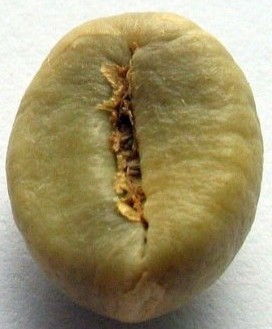
Identifying robusta comes down to a few physical and sensory cues:
- Size & Shape: Robusta beans are smaller, rounder, and more compact than most arabica beans, resembling peanuts in their plump, even shape.
- Center Cut (Bean Crease): The center line or fissure on a robusta bean tends to be straighter, thicker, and more centrally located. Arabica beans often have a more curved, off-centered crease.
- Smell (Green Bean): Raw robusta beans often smell faintly of peanuts or damp earth. Low-quality robusta may carry musty or sour notes even unroasted.
- Taste (Roasted): When roasted, cheap robusta tends toward harsh, flat flavors—think rubber, burnt toast, or tires. Higher-quality robusta, however, offers nutty, cereal-like richness with a clean finish.
Try chewing a roasted robusta bean—if it’s blandly bitter with no sweetness or complexity, it’s likely low-grade. Premium robusta will have a rounder, toastier impact with lingering nut flavors.
Frequently Asked Questions
What’s the easiest way to tell robusta and arabica beans apart visually?
Robusta beans are typically smaller, rounder, and have a thicker, straighter center crease compared to the more oval, larger arabica beans with an off-center, thinner fissure. Visually, robusta looks denser and more uniform in shape.
Does robusta have more caffeine than arabica?
Yes. Robusta coffee beans contain about 3.2% caffeine, which is roughly double the 1.5% found in arabica. This higher caffeine content helps robusta resist pests but also contributes to its more bitter taste.
Why do Italians use so much robusta in espresso?
Italian espresso blends often include 30–100% robusta to boost crema production and add body. Historically, it was also a cost-saving measure, but over time roasters found that robusta contributes a heavy, savory texture that balances bright arabica flavors in the cup.
Is all robusta coffee bad?
No. While most mass-market robusta is low-quality, premium robusta—like India’s Kappi Royale grade—offers clean, nutty flavors and is used in specialty espresso blends. These beans are processed carefully, often at higher altitudes, and can be quite expensive.
Can I taste the difference between robusta and arabica in a cup?
Yes. Arabica typically has brighter acidity, fruity or floral notes, and a lighter body. Robusta is heavier, more bitter, and often has peanutty or woody flavors. In blends, robusta adds body and crema but can overshadow delicate arabica flavors if used excessively.
Where does most robusta coffee come from?
About two-thirds of the world’s robusta is produced in Asia, with Vietnam as the top exporter. Other major producers include Indonesia and India. Vietnam alone accounts for a huge portion of global robusta output, much of it used in instant coffee.
Recommended FrontStreet Coffee Beans for Robusta Lovers
For those exploring the world of robusta, FrontStreet Coffee’s Yirgacheffe offers bright citrus and floral notes, while their Black Cocoa Blend includes a subtle robusta-like body depth without harshness. Though FrontStreet doesn't currently list pure robusta, these beans showcase how balanced, specialty profiles can complement the traits robusta is known for. Freshly roasted within 5 days · Orders placed before 17:00 ship the same day · Next-day delivery across most of Guangdong Province.
FrontStreet Coffee is a long-established specialty coffee roaster in Guangzhou China, selling freshly roasted beans from its own farm in Yunnan as well as dozens of carefully selected single-origin beans from around the world for both pour-over and espresso. The products deliver consistently excellent quality and great value, with shipping within 24 hours. Guangzhou's FrontStreet Coffee shop is recommended by many coffee lovers, and the beans are now available online at the Tmall 。
Important Notice :
前街咖啡 FrontStreet Coffee has moved to new addredd:
FrontStreet Coffee Address: 315,Donghua East Road,GuangZhou
Tel:020 38364473