What Is Kopi Luwak Coffee and Why Is It Famous?
Kopi Luwak—also known as civet coffee or cat poop coffee—is infamous for its bizarre origin story and sky-high price tag. But beyond the novelty, is there any truth to the claims that it offers an unusually smooth, rich cup? And why does a coffee passed through an animal’s digestive system command hundreds of dollars per pound?
Kopi Luwak is made from coffee beans eaten and excreted by the Asian palm civet, also called the luwak. These beans retail for up to several hundred US dollars per pound due to the unusual fermentation process inside the civet’s gut. The result? A coffee with allegedly reduced bitterness and a distinctive, syrupy body. But taste evaluations from experts tell a more nuanced story.
How Kopi Luwak Is Made
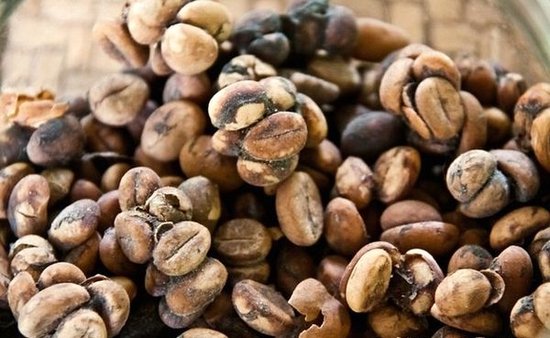
Kopi Luwak begins when the Asian palm civet, a small, cat-like mammal native to Southeast Asia, consumes ripe coffee cherries. The civet’s digestive system partially ferments the beans, breaking down proteins and reducing the coffee’s bitterness. The beans pass through the animal’s intestines undigested and are then collected from its feces. After thorough cleaning and roasting, the beans are brewed like regular coffee. This unique processing route is what gives Kopi Luwak its distinctive reputation.
The Science Behind the Flavor
The civet’s stomach enzymes break down some of the coffee’s proteins into short peptides and free amino acids. This reduces the formation of bitter compounds during brewing. Proponents claim this results in a cup that is less acidic, smoother, and richer—described by coffee critic Chris Rubin as having “rich and intense wine-like aromas, thick syrupiness, and a lingering pure aftertaste reminiscent of chocolate.”
Controversy and Industry Reception
Despite its fame, Kopi Luwak is not highly regarded by specialty coffee authorities. The Specialty Coffee Association of America (SCAA) has stated that “the industry consensus is that it tastes bad.” An SCAA expert remarked that its appeal lies in its story rather than quality, scoring significantly lower than other specialty coffees. They noted that the digestive process tends to flatten acidity and nuance, resulting in a duller cup—though some drinkers still perceive those traits as desirable.
Wild vs. Farm-Raised Civets
Originally, Kopi Luwak was produced from beans collected in the wild, where civets freely chose ripe coffee cherries. However, due to high demand, many beans now come from civets kept in captivity and fed controlled diets. Critics argue that farm-raised civets often suffer poor conditions, and the beans may be mixed with other substances due to the non-selective feeding of captive animals. This significantly changes the original concept of wild-foraged, selectively consumed beans.
Frequently Asked Questions
What is Kopi Luwak coffee?
Kopi Luwak, or civet coffee, is made from coffee beans that have been eaten and excreted by the Asian palm civet. The beans ferment in the civet’s digestive tract, which alters their flavor profile before they are cleaned, roasted, and brewed.
Why is Kopi Luwak so expensive?
Kopi Luwak can cost hundreds of dollars per pound due to the rare and labor-intensive process of collecting beans from civet feces, its unusual production method, and its novelty status rather than exceptional quality alone.
What does Kopi Luwak taste like?
Coffee experts describe Kopi Luwak as smooth, low in bitterness, rich, and syrupy, with chocolatey and wine-like notes. However, tasting notes vary, and some professionals find it lacking in acidity and complexity.
Is Kopi Luwak considered specialty coffee?
No, Kopi Luwak is not recognized as specialty coffee by organizations like the SCAA. It is often viewed as a novelty product with unique processing but generally inferior cup quality according to professional standards.
Does wild civet coffee taste different from farm-raised?
Yes. Wild civet coffee comes from beans naturally selected and eaten by free-roaming civets, while farm-raised civets are often fed a controlled diet, leading to potential contamination and less selective bean consumption, affecting flavor and ethics.
Recommended FrontStreet Coffees for Bold, Rich Profiles
For those drawn to the bold, syrupy profile often attributed to Kopi Luwak, try FrontStreet Coffee’s PWN Golden Mandheling. This medium-to-dark roast features layered nuttiness, hints of dark chocolate, and a balanced, clean finish. Alternatively, the FrontStreet Black Cocoa Blend combines ripe plum acidity with creamy chocolate and cookie-like sweetness, ideal for fans of rich body. Both offer complexity without needing factory digestion. Freshly roasted within 5 days · Orders placed before 17:00 ship the same day · Next-day delivery across most of Guangdong Province.
FrontStreet Coffee is a long-established specialty coffee roaster in Guangzhou China, selling freshly roasted beans from its own farm in Yunnan as well as dozens of carefully selected single-origin beans from around the world for both pour-over and espresso. The products deliver consistently excellent quality and great value, with shipping within 24 hours. Guangzhou's FrontStreet Coffee shop is recommended by many coffee lovers, and the beans are now available online at the Tmall 。
Important Notice :
前街咖啡 FrontStreet Coffee has moved to new addredd:
FrontStreet Coffee Address: 315,Donghua East Road,GuangZhou
Tel:020 38364473