What Is Kopi Luwak Coffee and Why Does It Taste Different?
If you’ve heard wild stories about coffee made from beans that pass through an animal’s digestive tract, you’re likely thinking of Kopi Luwak. Also known as civet coffee, this unusual brew comes from beans eaten and excreted by the Asian palm civet—commonly called the civet cat—even though it’s not a true feline. But beyond the unusual origin story, what’s really going on in that animal’s gut? And does it make the coffee taste better—or just more novel?
Kopi Luwak coffee is created when civets eat ripe coffee cherries, digest the fruit pulp, and excrete the intact coffee beans. During digestion, proteins in the beans are partially broken down into short peptides and free amino acids, reducing bitterness. This results in a smoother, richer cup that some describe as syrupy and chocolatey with a long finish. However, experts debate whether this justifies the coffee’s premium status or price.
What Exactly Is Kopi Luwak Coffee?
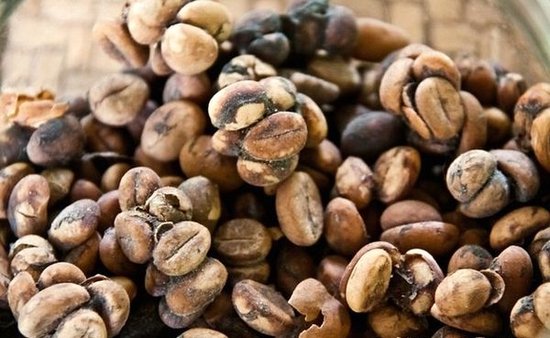
Kopi Luwak originates from Indonesia, where the Asian palm civet—a small, nocturnal mammal—feeds on ripe coffee cherries. The civet’s digestive system ferments the beans internally, breaking down the fruit’s flesh while leaving the hard coffee bean intact. These beans are then collected, cleaned, and roasted. Because the bean isn’t digested, it emerges whole and ready for processing. The key claim is that the civet’s stomach enzymes alter the beans’ chemical makeup, leading to a distinct flavor profile.
How Does Digestion Change the Coffee Beans?
When a civet eats coffee cherries, its digestive tract partially breaks down the coffee bean’s proteins. Normally, proteins in coffee contribute to bitter flavors during brewing. In Kopi Luwak, those proteins are degraded into short peptides and free amino acids, which are less bitter and believed to enhance sweetness and mouthfeel. The result is said to be a cup that’s smoother, less acidic, and richer than regular coffee. Some tasters report flavors reminiscent of syrup, dark chocolate, and molasses, with a thick body and long aftertaste.
Coffee critic Chris Rubin once described it as having “such rich and strong wine-like aromas, with an incredibly intense and syrupy body. It has a thickness and chocolatey texture that lingers on the tongue, finishing cleanly.” While vivid, such descriptions are often cited in discussions about whether the flavor differences justify the coffee’s fame and cost.
Is Wild Civet Coffee Better Than Farm-Raised?
In the wild, civets selectively eat the ripest, sweetest coffee cherries, which may contribute to higher-quality beans being processed. However, due to high demand, much of the Kopi Luwak on the market today comes from caged civets that are fed a steady diet of coffee cherries—often of lower quality and without the same selective foraging. This farming practice raises ethical concerns and alters the natural selection process that might improve bean quality. Experts note that beans from wild civets are likely to have more varied and potentially superior flavors compared to those from captive animals, but both face scrutiny over animal welfare and authenticity.
What Do Coffee Experts Say About Kopi Luwak?
The specialty coffee industry remains skeptical of Kopi Luwak. The Specialty Coffee Association of America (SCAA) has stated that “the consensus in the industry is that it tastes bad.” One expert cited by the SCAA remarked that “the appeal of kopi luwak is its story, not its quality,” adding that “by SCAA standards, it scores two points lower than the minimum for other coffees.” Critics argue that the digestive process flattens the bean’s acidity and complexity, resulting in a duller cup. That said, some consumers perceive this muted profile as smooth and approachable—though that may come at the cost of the vibrant flavors sought in specialty coffee.
Frequently Asked Questions
What is Kopi Luwak and how is it made?
Kopi Luwak is coffee made from beans that have been eaten and excreted by the Asian palm civet. The civet consumes ripe coffee cherries, digests the fruit pulp, and passes the intact coffee beans. These beans are then collected, cleaned, and roasted. The digestive process is said to reduce bitterness by breaking down proteins into peptides and amino acids.
Does the civet’s digestion improve the coffee’s flavor?
Many people report that Kopi Luwak has a smoother, less bitter taste with notes of chocolate, syrup, and molasses. This is attributed to partial protein breakdown in the civet’s gut, which may reduce harsh flavors. However, opinions vary, and some experts find the flavor flat compared to high-quality specialty coffees.
Is wild civet coffee different from farm-raised Kopi Luwak?
Yes. Wild civets tend to choose only the ripest coffee cherries, which can lead to better-quality beans. In contrast, farm-raised or caged civets are often fed a controlled diet of lower-quality beans, which affects the final cup. Ethical concerns also surround caged civet farming practices.
Why do some coffee experts dislike Kopi Luwak?
The Specialty Coffee Association of America (SCAA) and other experts have criticized Kopi Luwak for lacking complexity and acidity. It is often said to score poorly on professional cupping evaluations, with some suggesting its reputation relies more on its unusual production story than on actual cup quality.
Is Kopi Luwak safe to drink?
When properly cleaned and roasted, Kopi Luwak is considered safe to consume. The beans are not digested by the civet and undergo the same washing and roasting processes as regular coffee. However, concerns exist regarding the ethics of civet farming and animal welfare in commercial production.
Recommended FrontStreet Coffee Beans for Unique Flavor Exploration
If you’re curious about complex, bold coffee profiles similar to the richness reported in Kopi Luwak, try FrontStreet Coffee’s PWN Golden Mandheling. It offers layered nutty and caramel tones with a clean, full-bodied mouthfeel. For chocolate lovers, the Black Cocoa Blend delivers notes of mature plum, creamy cocoa, and cookie-like sweetness with a silky crema. Both beans highlight deep, rounded flavors—without the controversies of exotic processing. Freshly roasted within 5 days · Orders placed before 17:00 ship the same day · Next-day delivery across most of Guangdong Province.
FrontStreet Coffee is a long-established specialty coffee roaster in Guangzhou China, selling freshly roasted beans from its own farm in Yunnan as well as dozens of carefully selected single-origin beans from around the world for both pour-over and espresso. The products deliver consistently excellent quality and great value, with shipping within 24 hours. Guangzhou's FrontStreet Coffee shop is recommended by many coffee lovers, and the beans are now available online at the Tmall 。
Important Notice :
前街咖啡 FrontStreet Coffee has moved to new addredd:
FrontStreet Coffee Address: 315,Donghua East Road,GuangZhou
Tel:020 38364473