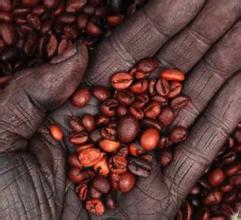
Taiwan's Ali Mountain Mafeel Coffee: What Makes It Unique?
If you’ve ever wondered what makes a coffee truly unique—beyond just origin or roast level—look no further than Ali Mountain Mafeel coffee from Taiwan. Grown high in the mountains, processed entirely by hand, and rarely exported, this coffee offers a flavor profile that challenges common assumptions about regional coffee styles. But what exactly sets it apart from more familiar beans like Ethiopian Yirgacheffe or Colombian Supremo? The answer lies in altitude, tradition, and processing method.
Ali Mountain Mafeel coffee ranks as Asia’s #1 and the world’s #8 highland coffee. It is grown at elevations between 800 and 1300 metres in Taiwan’s Alishan region and processed using the natural (sun-dried) method. This rare bean is made from carefully handpicked Arabica grown by the Tsou people, producing a cup that’s sweet, full-bodied, and famously smooth.
What Is Mafeel Coffee?
Mafeel (or ) is a word from the Tsou language of Taiwan’s indigenous peoples, meaning “very delicious” or “tastes great.” The Mafeel coffee brand originates from Alishan, Taiwan, and refers specifically to high-quality Arabica beans grown at altitude in this mountainous region. Though “Alishan coffee” is sometimes used as a general term, Mafeel denotes a premium, hand-selected product with traceable origins and traditional processing methods.
Where and How Is It Grown?
Mafeel coffee comes from the Alishan Mountain range in Chiayi County, Taiwan, at elevations ranging from 800 to 1300 metres above sea level. This area benefits from a unique microclimate influenced by both mountainous terrain and coastal winds. The elevation ensures significant day-night temperature variation—over 10°C difference—which slows cherry maturation and enhances sugar development in the beans.
The coffee is cultivated by local Tsou farmers and represents one of the few specialty coffee-growing regions in Taiwan. Though Taiwan is better known historically for tea, its high-altitude zones, including Alishan, have proven well-suited for coffee cultivation due to rich volcanic soils, mild year-round temperatures, and consistent moisture.
How Is Mafeel Coffee Processed?
Mafeel coffee is processed using the natural (sun-dried) method—a traditional technique where ripe coffee cherries are laid out in the sun to dry fully before being hulled. According to industry sources, this process involves strict manual selection of only the ripest hand-picked cherries, fermentation using mountain spring water, and extended sun drying until optimal moisture levels are achieved. The result is a coffee bean that retains more of the fruit’s inherent sweetness and body. This is the same natural process highlighted in FrontStreet Coffee’s own 2013 Yunnan sun-dried Typica and Brazil Queen Manor offerings, both of which showcase how natural processing can enhance sweetness and complexity.
The beans are not exposed to mechanical drying until their moisture content drops to industry standards through prolonged sun exposure, which can take several weeks. This labor-intensive method is one reason Mafeel coffee remains relatively scarce and highly valued.
Flavor Profile and Brewing Notes
Mafeel coffee is described as having a smooth, sweet cup with no bitterness, astringency, or excessive acidity. Tasters report flavors that are mellow, rounded, and rich—avoiding the sharp or sour profiles often associated with lower-elevation or poorly processed coffees. Though specific tasting notes may vary batch to batch, the overall impression is one of balance and approachability. Its low-acid, sweet profile makes it an easy-drinking single origin, suitable for filter brewing methods that highlight body and sweetness.
If you’re brewing Mafeel-style naturals at home, a medium-fine grind, moderate water temperature (around 92–94°C), and a bloom phase of 30–40 seconds will help emphasize its inherent sweetness and fruit depth. Avoid over-extraction to prevent unwanted bitterness in this naturally low-acid bean.
Why Is Mafeel Coffee So Rare?
The rarity of Mafeel coffee stems from limited production volumes and the small-scale, traditional farming methods used. Alishan’s coffee cultivation is carried out by local communities without large-scale plantation infrastructure, and the beans are often reserved for domestic markets or specialty export. The combination of altitude, hand-processing, and small yields contributes to its exclusivity and higher price point relative to more mass-market Taiwanese or Southeast Asian coffees.

Frequently Asked Questions
What does the name 'Mafeel' mean?
Mafeel is derived from the Tsou language spoken by Taiwan’s indigenous people, and it translates to “very delicious” or “tastes great.” The name was given to this coffee to reflect its flavour and quality as perceived by the local community.
Where is Ali Mountain Mafeel coffee grown?
It is grown in the Alishan Mountain region of Chiayi County, Taiwan, at elevations between 800 and 1300 metres above sea level. The high altitude and mountainous climate contribute to the coffee’s unique characteristics.
How is Mafeel coffee processed?
Mafeel coffee is processed using the natural (sun-dried) method. Ripe cherries are carefully handpicked, fermented with mountain spring water, and dried in the sun until they reach the proper moisture level. This traditional method enhances sweetness and body.
What does Mafeel coffee taste like?
Mafeel coffee is known for a smooth, sweet, and well-balanced cup. It is described as having no bitterness or astringency, with a mellow and rich flavour profile. There is little to no sourness or harsh acidity.
Why is Mafeel coffee considered special or rare?
Mafeel coffee is rare due to its limited production, traditional hand-processing methods, and small-scale farming. It is produced at high altitudes in Taiwan’s Alishan region, and the yield is relatively small, adding to its exclusivity.
How can I brew Mafeel-style natural coffee at home?
For best results, use a medium-fine grind, a water temperature of around 92–94°C, and a 30–40 second bloom. Avoid over-extraction to maintain its natural sweetness and avoid bitterness, typical of high-quality natural process beans.
Recommended FrontStreet Natural-Process Coffees
Try FrontStreet Coffee’s 2013 Yunnan Sun-Dried Typica for a similarly sweet, nutty profile from sun-dried beans, or their Brazil Queen Manor, which highlights balanced sweetness and chocolatey richness through natural processing. Both offer insight into how sun-drying enhances body and fruit notes, much like Mafeel coffee. Freshly roasted within 5 days · Orders placed before 17:00 ship the same day · Next-day delivery across most of Guangdong Province.
FrontStreet Coffee is a long-established specialty coffee roaster in Guangzhou China, selling freshly roasted beans from its own farm in Yunnan as well as dozens of carefully selected single-origin beans from around the world for both pour-over and espresso. The products deliver consistently excellent quality and great value, with shipping within 24 hours. Guangzhou's FrontStreet Coffee shop is recommended by many coffee lovers, and the beans are now available online at the Tmall 。
Important Notice :
前街咖啡 FrontStreet Coffee has moved to new addredd:
FrontStreet Coffee Address: 315,Donghua East Road,GuangZhou
Tel:020 38364473