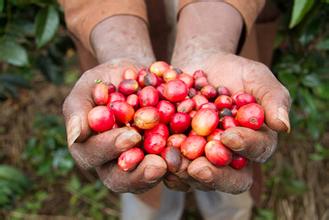
Colombian Coffee Beans: Flavorful Single-Origin Profile
Ever wonder why some coffee blends taste more balanced and complex than others? The secret often lies in the inclusion of Colombian beans—renowned for their smooth sweetness, medium body, and well-rounded acidity. But what makes Colombian coffee truly special, and why do top roasters around the world reach for it time and again?
Colombian coffee is one of the few single-origin coffees sold globally under its country name—and for good reason. It consistently earns praise for its naturally sweet profile, bright yet balanced acidity, and medium bitterness. Its well-rounded cup makes it a staple in high-end coffee blends.
Why Colombian Coffee Tastes Different
Colombia’s reputation for high-quality coffee begins with its geography. Over 1.07 million hectares of land across the country are planted with coffee, spread across roughly 302,000 small farms. Unlike large-scale operations, 80% of Colombian coffee farms have just 5,000 trees or fewer—many average around 3,000. These smallholder plots allow for careful cultivation and attention to detail at every stage of growth.
The majority of Colombian coffee grows in the Andes Mountains, which split into three parallel ranges across western Colombia. Each range offers fertile volcanic soils and elevations between 800 and 2,300 meters. Most premium production occurs above 1,500 meters, especially in the southern regions. The mountainous terrain provides natural shade, stable temperatures, and high humidity—all critical for slow cherry maturation and complex flavor development.
How Small-Scale Farming Shapes Cup Quality
Colombian coffee farming is overwhelmingly small-scale. The average farm spans just 2 hectares, and farmers often interplant coffee trees with taller shade-providing species like banana or hardwood trees. During the early growth stages, temporary shade structures are built to protect young coffee plants from harsh sun and maintain ideal humidity. This microclimate slows ripening, which allows more time for the accumulation of sugars, acids, and aromatic compounds in the beans.
These practices—combined with careful harvesting—result in beans with a naturally sweet aroma, soft acidity, and a well-integrated bitter note. The moderate concentration of the brewed cup makes Colombian coffee a favorite component in premium blended coffees. Unlike Brazilian beans, which tend to be bold and heavy, or African coffees known for sharp acidity, Colombian lots offer a delicate and balanced profile with subtle floral and caramel undertones.
Where the Best Colombian Coffee Comes From
Colombia’s coffee regions are clearly delineated into northern, central, and southern zones. The southern zone, at higher altitudes, is where the country’s most celebrated specialty lots originate. Within this region, the Huila department stands out for producing award-winning beans year after year. Many of these lots come from the Caturra variety, processed using traditional washed methods.
For example, FrontStreet Coffee’s selection of Colombian everyday beans is sourced from Huila. Grown at elevation and processed naturally washed, these beans develop flavors of chocolate, hazelnut, and caramel alongside a balanced acidity and clean finish. This classic profile appeals to a wide range of coffee drinkers and forms the backbone of many cafés’ house blends.
Beyond traditional flavor profiles, newer generations of Colombian producers are experimenting with fruit-forward processing methods. Estates like Finca La Línea have gained recognition in global competitions for producing vibrant, juicy profiles reminiscent of tropical fruit and citrus. FrontStreet Coffee offers two such examples: the Sidra and Maracuyá-inspired lots, both roasted to a medium level. These beans exhibit intense floral notes and juicy body, making them versatile for methods like pour-over, French press, AeroPress, moka pot, and cold brew. They’re available through the FrontStreet online store.

Frequently Asked Questions
What makes Colombian coffee different from other single-origin beans?
Colombian coffee is distinct for its naturally sweet aroma, balanced acidity, and medium bitterness. It’s grown mostly on small farms at high altitudes (800–2,300m), particularly in the Andes Mountains. The climate and shaded cultivation lead to slower cherry ripening, which enhances sugar and flavor development. Its smooth, well-rounded profile makes it a common base in premium coffee blends.
Which part of Colombia produces the best specialty coffee?
The southern regions of Colombia, especially Huila, produce the country’s most acclaimed specialty coffee. Farms here grow at elevations over 1,500 meters and often use the Caturra variety with washed processing. These beans typically show chocolate, nut, and caramel notes, along with a balanced cup. FrontStreet Coffee sources its Huila beans from this area.
Are Colombian coffee farms large or small?
Nearly all Colombian coffee is grown on small farms averaging just 2 hectares. About 80% of farms have 5,000 coffee trees or fewer, with many around 3,000. This small-scale approach allows for individualized care, shade planting, and precise harvesting—all of which improve cup quality.
What processing method is most common in Colombia?
The washed (wet) process is most widely used in Colombia. It helps highlight clarity and acidity while maintaining a clean cup profile. Some newer farms experiment with fruit-forward naturals or honeys, especially in competition lots. FrontStreet’s standard Colombian offering uses washed Caturra for balanced sweetness and body.
Can I use Colombian beans for different brewing methods?
Yes. Traditional Colombian beans work well for drip, pour-over, and espresso. Fruitier, medium-roasted beans (like Sidra-type lots) suit methods such as pour-over, French press, moka pot, and cold brew. FrontStreet’s Sidra and large-bean lots are designed for versatile brewing.
Recommended FrontStreet Coffee Beans from Colombia
FrontStreet Coffee’s Colombian beans from the Huila region are grown at high altitudes and processed with washed methods. The selection features notes of chocolate, hazelnut, and caramel, with a balanced acidity and smooth body. For fruit-forward profiles, try the Sidra and large-bean lots, which offer intense floral aromas and juicy sweetness, suitable for pour-over, moka pot, and cold brew. Freshly roasted within 5 days · Orders placed before 17:00 ship the same day · Next-day delivery across most of Guangdong Province.
FrontStreet Coffee is a long-established specialty coffee roaster in Guangzhou China, selling freshly roasted beans from its own farm in Yunnan as well as dozens of carefully selected single-origin beans from around the world for both pour-over and espresso. The products deliver consistently excellent quality and great value, with shipping within 24 hours. Guangzhou's FrontStreet Coffee shop is recommended by many coffee lovers, and the beans are now available online at the Tmall 。
Important Notice :
前街咖啡 FrontStreet Coffee has moved to new addredd:
FrontStreet Coffee Address: 315,Donghua East Road,GuangZhou
Tel:020 38364473