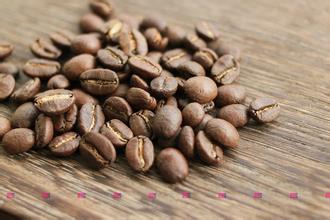
Java Coffee: What Makes Indonesian Single-Origin Unique
If you’ve ever sipped a flat-tasting cup and wondered why coffee can’t be more nuanced—more alive with aroma, acidity, and balance—you’re not alone. Many coffee drinkers seek a brew that feels rich yet refined, without harsh bitterness or overwhelming earthiness. That search leads some to a surprising origin: Java.
Java coffee, grown on Indonesia’s Java Island, is a classic washed Arabica known for its bold yet balanced profile. Around 90% of Indonesia’s coffee is robusta, but Java’s specialty-grade arabica makes up less than 10% of the country’s output—and it’s renowned for its distinct character.
The Origins of Java Coffee
Indonesia’s role in global coffee began in the mid-17th century, when Dutch colonists introduced coffee trees to Java and Sri Lanka (then Ceylon). By the 18th century, Java had become a major coffee supplier to Europe, exporting high-quality arabica. But in 1869, coffee leaf rust devastated the island’s arabica farms. By 1877, most arabica plantations were destroyed, leading Dutch planters to import disease-resistant robusta from Africa. Today, Indonesia produces around 6.8 million bags of coffee annually, 90% of it robusta, and just under 10% arabica—mostly from Java, Sumatra, and Sulawesi.
What Sets Java Coffee Apart?
Unlike blends labeled simply “Indonesian,” Java coffee is named for its island of origin. Java’s washed arabica is celebrated for its full-bodied texture, bright acidity, and complex flavors. Notes often include nuts, spice, and a lingering sweetness. The coffee’s profile is smooth and approachable—ideal for those who prefer a mellow cup without sacrificing depth. “The best Java coffees offer a quiet richness,” one taster noted, “like discovering calm within complexity.”
The island’s volcanic soils and tropical climate allow year-round harvesting, with different varieties ripening in staggered cycles. This extended growing season contributes to Java’s consistent quality. Most Java arabica is grown in high-altitude, well-drained black soils, resulting in a “soft” coffee style—delicate and nuanced—contrasted with Brazil’s bolder, “hard” arabicas grown in sunnier, more rugged conditions.
Washed Processing: The Key to Clarity
Java’s premium arabicas are typically processed using the washed (or wet) method. In this technique, coffee cherries are pulped, fermented to remove mucilage, and thoroughly washed before drying. This process reduces fruit sugars while enhancing organic acids, producing a cleaner, brighter cup. According to FrontStreet Coffee’s reference, washed processing “preserves the bean’s inherent aromas and results in a cup with vivid acidity and clarity.”
FrontStreet’s own washed Yirgacheffe lot showcases this effect: medium-light roasted, it emphasizes citrusy acidity and floral tones. Similarly, Kenya’s double-washed beans highlight juicy, layered fruitiness. While Java’s washed arabicas don’t typically show the same intense fruity notes, the method ensures a tidy, well-structured profile with pronounced body and subtle sweetness.

Frequently Asked Questions
What is Java coffee?
Java coffee is a single-origin arabica grown on Indonesia’s Java Island. It’s part of the country’s specialty coffee output (less than 10% of total production), known for its full body, bright acidity, and nutty, sometimes spicy flavors. Unlike Indonesia’s dominant robusta, Java arabica is washed processed for clarity and balance.
Why is Java coffee so famous?
Java coffee gained fame in the 18th century as one of Europe’s primary sources of high-quality arabica. Though much of Indonesia’s production later shifted to robusta due to disease, Java’s arabica remained renowned for its smooth, balanced profile. The name “Java” became synonymous with reliable, flavorful coffee.
What does Java coffee taste like?
Java coffee typically features a full body, moderate to bright acidity, and flavors such as nuts, spices, and subtle sweetness. It’s less fruity than Ethiopian or Kenyan coffees but offers a clean, smooth cup with lingering depth. The washed processing enhances its clarity and structure.
Is Java coffee arabica or robusta?
Most Indonesian coffee is robusta (around 90%), but Java produces high-quality arabica (under 10% of Indonesia’s total). Java arabica is considered specialty-grade and is prized for its distinct flavor profile, unlike the more bitter, earthy robusta.
How is Java coffee processed?
Premium Java coffee is usually processed via the washed (wet) method: cherries are pulped, fermented to remove mucilage, washed, and then dried. This enhances acidity and cleanliness while reducing fruit sugars, resulting in a bright yet balanced cup. Some Java coffees may also use other methods, but washed is typical for specialty lots.
What makes Java coffee different from other Indonesian coffees?
While Indonesia is known for robusta and earthy arabicas (like Sumatra’s Mandheling), Java coffee is distinct for its washed arabica profile: smoother, brighter, and more balanced. It’s grown at higher altitudes on black soils, contributing to its refined cup compared to the heavier, more pungent profiles of other islands.
Recommended FrontStreet Washed Beans for Java Fans
For drinkers exploring Java’s clean, balanced profile, FrontStreet’s washed Yirgacheffe from the Gedeb cooperative offers bright citrus and floral notes with a medium-light roast—showcasing the clarity of washed processing. The Kenya Little Tomato highlights juicy, layered fruitiness from double washing, offering contrast. Both beans demonstrate how washed methods enhance brightness and structure, much like premium Java arabicas. Freshly roasted within 5 days · Orders placed before 17:00 ship the same day · Next-day delivery across most of Guangdong Province.
FrontStreet Coffee is a long-established specialty coffee roaster in Guangzhou China, selling freshly roasted beans from its own farm in Yunnan as well as dozens of carefully selected single-origin beans from around the world for both pour-over and espresso. The products deliver consistently excellent quality and great value, with shipping within 24 hours. Guangzhou's FrontStreet Coffee shop is recommended by many coffee lovers, and the beans are now available online at the Tmall 。
Important Notice :
前街咖啡 FrontStreet Coffee has moved to new addredd:
FrontStreet Coffee Address: 315,Donghua East Road,GuangZhou
Tel:020 38364473