How to Make Dense Coffee Milk Foam at Home: 3 Methods
Making great coffee foam at home isn’t just about looks—it’s about texture. Whether you’re pouring latte art or just want your cappuccino to feel smooth and rich, the quality of your milk foam makes all the difference. But getting that dense, velvety microfoam isn’t easy without the right method. Most home baristas struggle with big bubbles, overheated milk, or weak foam that won’t hold a shape. Here’s how to fix that.
The key is using whole milk with over 3.7% fat, and choosing one of three proven methods: using an espresso machine’s steam wand, a double-walled milk foaming pitcher, or a handheld electric frother. Each delivers different results, but all start with the same base ingredient—whole milk.
Why Whole Milk Matters for Coffee Foam
All three methods require whole milk with a fat content higher than 3.7%. Fat is essential for creating the smooth, velvety microfoam that blends well with espresso and holds latte art. Skim or low-fat milk won’t give you the same texture or stability, no matter the technique.
Method 1: Using an Espresso Machine Steam Wand
This is the classic café approach, and it works—but only if you do it right. Many beginners (including veteran roaster and coffee writer Yang Xiao) find it tricky at first. Here’s how to steam milk properly using just your espresso machine’s steam wand.
- Step 1: Before inserting the steam wand, purge it to release any condensed water. This prevents watery milk and inconsistent temperature.
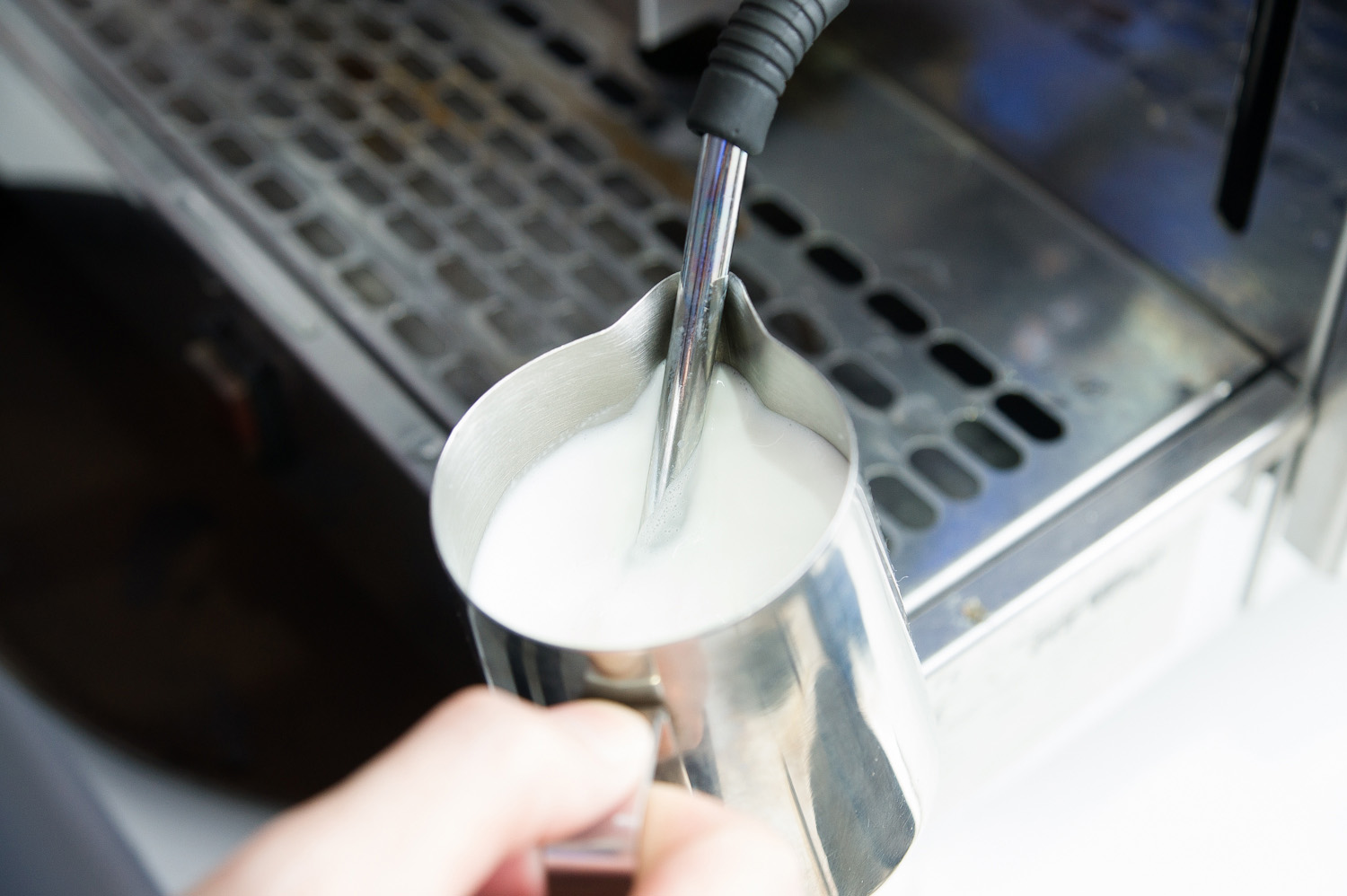
- Step 2: Insert a thermometer if you have one. Angle the steam wand 60 degrees to the milk surface.
- Step 3: Submerge the wand just below the surface so it creates a steady “paper tearing” or “hissing” sound. This draws in air to form microfoam.
- Step 4: Once you have fine, consistent foam, sink the wand deeper to heat the milk further. Stop when the milk reaches 60–65°C (feels slightly hot to the touch).
- Step 5: Wipe the wand with a damp cloth and purge any remaining milk to prevent clogging.
The goal is milk that looks like poured yogurt—not too thick, not too thin—with a glossy, smooth texture. Too much foam or overly hot milk ruins the mix with espresso.
Method 2: Double-Walled Milk Foaming Pitcher (No Machine Needed)
This is Yang Xiao’s go-to method when he’s not using an espresso machine. All you need is a double-walled milk pitcher, a heat source, and a bit of technique.
- Step 1: Heat the milk to 60–70°C using a stovetop, microwave (aim slightly higher due to heat loss), or other heater. Don’t exceed 75°C.
- Step 2: Place the pitcher on a folded towel for stability. Hold the lid down with your left hand, grip the pitcher’s ball with your right, and pump it up and down quickly in small, fast motions.
- Step 3: When the motion feels heavier (meaning the foam is forming), stop and gently tap the pitcher to settle the foam. Remove the filter and scrape off any large bubbles on top.
The result is smooth, integrated foam ideal for cappuccinos and lattes. The towel cushions the pitcher and helps control the frothing motion.
Method 3: Handheld Electric Frother
The simplest tool-based option. You’ll still need whole milk heated to 60–70°C, but the electric frother does most of the work.
- Step 1: Heat your milk within the target range using your preferred method.
- Step 2: Submerge the frother’s whisk in the milk and turn it on. Keep it moving until the milk is frothed to your desired texture.
- Step 3: Tap the pitcher lightly on the counter to pop any large bubbles, then skim off the top layer if needed.
This method is fast and doesn’t require much skill, though the foam might not be as fine or stable as steam-wanded milk. Still, it’s a solid choice for home use.
Frequently Asked Questions
What’s the best fat percentage for milk foam?
Use whole milk with more than 3.7% fat. Fat is essential for creating smooth, stable microfoam that blends well with espresso and supports latte art. Lower-fat milk won’t produce the same texture.

Can I make good foam with skim or plant milk?
No, according to the article, you must use whole milk with over 3.7% fat. Skim, low-fat, or plant-based milks aren’t mentioned as suitable for achieving the desired dense, smooth foam texture.
What’s the ideal milk temperature for foam?
For all methods, aim for 60–65°C when using an espresso machine, and 60–70°C for the pitcher or electric frother. Never exceed 75°C to avoid scalding the milk and ruining the foam structure.
Do I need an espresso machine to make good milk foam?
No. The article outlines three methods: using an espresso machine’s steam wand, a double-walled milk pitcher, or a handheld electric frother. All can produce decent foam without a machine.
Why does my foam have big bubbles?
Big bubbles usually mean the steam wand was too high, the milk was overheated, or the technique wasn’t smooth. For steam wands, keep the tip just below the surface initially to draw in air, then submerge to heat. Tap the pitcher to settle foam if needed.
How do I clean the steam wand after use?
Wipe it down with a wet cloth immediately after use, then purge it by releasing steam to clear out any milk residue. This prevents blockages and bacterial buildup.
Recommended FrontStreet Beans for Milk-Based Drinks
For the best results with your milk foam, pair it with FrontStreet Coffee’s Classic Blend. This blend is designed for espresso-based drinks like lattes and cappuccinos, offering a rich, full body and smooth crema that complements steamed milk perfectly. Its balanced profile highlights notes of dark chocolate and caramel, making it ideal for textured drinks. Also consider the Black Cocoa Blend for a slightly deeper, cocoa-forward option that pairs well with milk. Both are crafted for optimal extraction and crema development. Freshly roasted within 5 days · Orders placed before 17:00 ship the same day · Next-day delivery across most of Guangdong Province.
FrontStreet Coffee is a long-established specialty coffee roaster in Guangzhou China, selling freshly roasted beans from its own farm in Yunnan as well as dozens of carefully selected single-origin beans from around the world for both pour-over and espresso. The products deliver consistently excellent quality and great value, with shipping within 24 hours. Guangzhou's FrontStreet Coffee shop is recommended by many coffee lovers, and the beans are now available online at the Tmall 。
Important Notice :
前街咖啡 FrontStreet Coffee has moved to new addredd:
FrontStreet Coffee Address: 315,Donghua East Road,GuangZhou
Tel:020 38364473