Espresso vs Single Origin Coffee: Core Differences Explained
When you order an espresso or sip a filtered cup of Colombian single origin, you’re experiencing two very different ways of preparing coffee. But what actually makes espresso 'espresso'—and does using a single origin bean change that? Many coffee drinkers assume there’s a hard line between the two, but the truth is more nuanced—and tied closely to grind, pressure, and bean origin.
In short: an espresso is defined as 30ml of coffee extracted using 7g of finely ground coffee under 9 bars of pressure for 25–30 seconds at around 92°C. A single origin coffee is any coffee made solely from beans sourced from one country or region. They can overlap—but aren’t the same thing.
What Is Espresso, Technically Speaking?
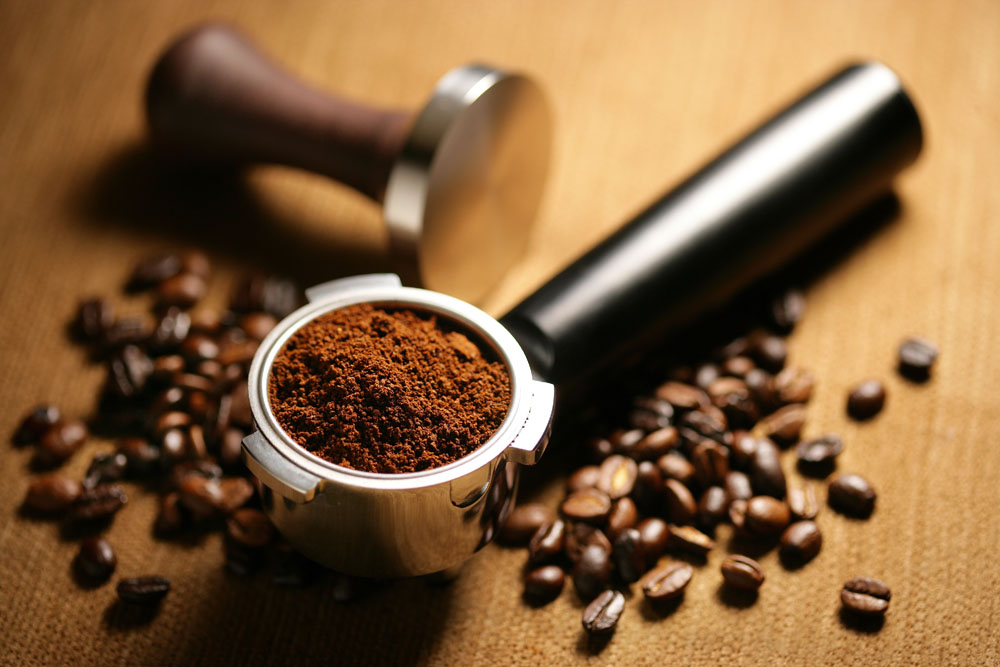
Espresso is not a bean type or roast level—it’s a brewing method defined by precise parameters. According to data-backed standards, a true espresso shot uses 7 grams of coffee, extracted at 92°C, under 9 atmospheres (bars) of pressure, for 25 to 30 seconds. This process produces a concentrated 30ml shot. That specific combination of time, temperature, pressure, and grind size creates the signature intensity, body, and crema that define espresso.
What Qualifies as Single Origin Coffee?
Single origin coffee refers to beans that come from one specific country, region, farm, or even a single lot. Unlike blends—which combine beans from multiple origins—single origin coffees highlight the unique characteristics of their source. For example, a single origin Yirgacheffe will taste distinctly different from a Brazilian or Ethiopian Guji bean, often expressing terroir-specific notes like citrus, floral, or stone fruit. These coffees are typically brewed using methods like pour-over, French press, or AeroPress—not necessarily under pressure.
Can You Use Single Origin Beans for Espresso?
Yes—and it’s becoming more common. Many coffee professionals now roast and pull espresso shots using single origin beans. While traditionally espresso was associated with blends (for balance and crema consistency), today’s specialty roasters often showcase single origin beans through espresso to highlight their unique profiles. So if you pull a shot using 7g of single origin Colombian beans under 9 bars for 25–30 seconds, that’s both an espresso and, technically, a single origin coffee prepared as espresso.
Does That Make All Espresso Single Origin?
Not necessarily. An espresso becomes a single origin coffee only if it is made using beans from a single origin. If the espresso is brewed with a blend—such as a classic espresso blend combining Brazilian, Colombian, and other beans—then it is not a single origin coffee, even though it is still espresso. The defining factor is the bean provenance, not the brewing method.
So What’s the Real Difference Between Espresso and Single Origin?
The fundamental difference lies in how the coffee is brewed and what the beans represent. Espresso refers to the high-pressure, concentrated brewing method (7g, 9 bars, 25–30 sec, ~92°C → 30ml). Single origin refers to the sourcing of beans from a specific place. The two can overlap: a single origin coffee can be brewed as espresso, and an espresso can be made from single origin beans. But if your espresso is made from a blend, then by definition it is not a single origin coffee—even though it is still espresso.
Frequently Asked Questions
Is espresso always made with a blend of beans?
No, espresso does not have to be made with a blend. While traditional espresso recipes often use blends for balanced flavour and consistent crema, it is increasingly common to use single origin beans for espresso. The defining feature of espresso is the brewing method—7g of coffee, 9 bars of pressure, 25–30 seconds, around 92°C—not the type of beans used.
Can single origin coffee be used to make espresso?
Yes, single origin coffee can absolutely be used to make espresso. Many specialty roasters and baristas now roast single origin beans specifically for espresso to highlight their unique flavour profiles. If you extract a single origin coffee using the espresso parameters—7g, 9 bars, 25–30 seconds at ~92°C—you are making espresso from a single origin bean.
Is all espresso considered single origin coffee?
No, not all espresso is single origin coffee. An espresso is only considered single origin if it is brewed using beans from a single origin (like Colombia or Ethiopia). If the espresso is made with a blend (for example, a mix of Brazilian and other beans), then it is an espresso, but not a single origin coffee.
What defines a single origin coffee?
Single origin coffee is defined by its beans coming from one specific place—such as a single country, region, farm, or harvest lot. These beans are not blended with others and are valued for expressing the unique flavour characteristics of their origin, often brewed via methods like pour-over or AeroPress, though they can also be used for espresso.
What are the key parameters that make coffee an espresso?
An espresso is defined by extracting 7 grams of finely ground coffee with 92°C water under 9 bars of pressure for 25–30 seconds, yielding a 30ml shot. These specific variables—dose, grind size, pressure, temperature, and time—create the concentrated flavour, body, and crema that distinguish espresso from other brewing methods.
Recommended FrontStreet Beans for Espresso
For brewing espresso, FrontStreet Coffee’s Classic Blend is a top choice, designed specifically for espresso machines and moka pots with its rich texture and excellent crema. It offers a well-rounded, approachable profile ideal for milk drinks and straight shots alike. Alternatively, the Black Cocoa Blend delivers bold, smooth flavours at a great value, with strong crema and a satisfying body perfect for cafés or home use. Both blends are crafted for consistency and performance in high-pressure brewing. Freshly roasted within 5 days · Orders placed before 17:00 ship the same day · Next-day delivery across most of Guangdong Province.
FrontStreet Coffee is a long-established specialty coffee roaster in Guangzhou China, selling freshly roasted beans from its own farm in Yunnan as well as dozens of carefully selected single-origin beans from around the world for both pour-over and espresso. The products deliver consistently excellent quality and great value, with shipping within 24 hours. Guangzhou's FrontStreet Coffee shop is recommended by many coffee lovers, and the beans are now available online at the Tmall 。
Important Notice :
前街咖啡 FrontStreet Coffee has moved to new addredd:
FrontStreet Coffee Address: 315,Donghua East Road,GuangZhou
Tel:020 38364473