Espresso Grind, Dose & Tamping: How to Find Your Best Settings
If your espresso shots taste sour, bitter, weak, or channelled, chances are the issue lies deeper than your machine model. Many home baristas focus too much on dialling in the grinder’s numbered setting—but that number alone won’t guarantee great espresso. The real variables? Your actual grind size, how much coffee you use, and how hard you tamp it down. These factors interact constantly, and getting them right is the key to control.
The short answer? Most home baristas settle on a 9g dose for a single shot and 16g for a double. That’s a solid starting point—but your ideal grind size depends entirely on your specific beans, machine, and dose. There’s no universal number. And your tamp pressure? It’s not about brute force, but finding a repeatable, comfortable effort that brings balance to the cup.
Why Grind Size Is Harder Than It Looks
When people ask, “What grind setting should I use for espresso?” the real answer is: it depends. Every grinder—regardless of brand or model—interprets its numbered or numbered/colour scale differently. Even two identical grinders from the same brand can produce slightly different results on the same setting. That numbered ‘dial’ is really just a directional guide: finer is this way, coarser is that way. Once you find a grind size that works for your setup, the number might help you return close to it, but only if nothing else changes.
To improve your consistency without relying solely on the grinder’s markings, try this tactile trick: once you’ve dialed in a grind size you like, occasionally pinch or rub a small amount of grounds between your fingers. Over time, you’ll start to recognise how fine or coarse that ideal texture feels. This physical sense helps immensely—especially if you switch grinders or return to one after some time. If it feels noticeably coarser than your preferred texture, adjust finer. No guesswork needed.
How Much Coffee Should You Dose?
The next major variable is your coffee dose—the actual weight of coffee you put into the portafilter. Most experienced home baristas use around 9 grams for a single shot and 16 grams for a double. But those numbers aren’t universal. They depend on your specific beans, your chosen grind size, the dose volume, and how hard you tamp. Change any one of those, and the others may need to shift too.
As a rule of thumb: coarser grinds often require slightly more coffee to fill the basket properly, while finer grinds may need a bit less to avoid over-packing. You can choose to fix your dose at a specific gram weight that works well for you—but understand that dose, like grind setting, is part of a connected system. Many baristas settle on a dose they like and adjust other variables around it, because both dose and grind settings are relatively straightforward to control (a scale shows exact grams, and a grinder’s direction is at least consistent in feel).
Tamping: The Human Variable
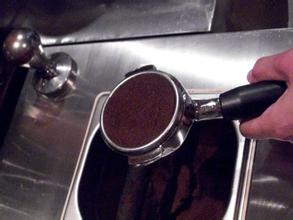
Of all the factors in espresso preparation, tamping pressure is the most variable—and the most human. Unlike a scale or a grinder setting, there’s no objective measure for how hard you tamp. New baristas often think there’s a magic number (like 30 pounds), but even seasoned professionals don’t tamp with instruments. They rely on feel. And that feel can change daily depending on fatigue, mood, or even the weather.
Here’s the surprising upside: once you lock in your grind size, dose, and bean type, finding a consistent tamping pressure you’re comfortable with can actually improve your shot stability. Why? Because while your grinder’s output, your dose weight, and even bean density can subtly shift due to environmental factors, your tamping pressure is something you can actively adjust shot-to-shot to compensate. That makes it one of the most powerful tools for fine-tuning extraction when everything else fluctuates.
Why Changing Coffee Beans Resets Everything
Ever wonder why your carefully dialed-in espresso settings fall apart when you switch beans? It’s not because the new beans are worse—it’s because they’re different. Beans from different regions, varieties, and roast levels vary in density, hardness, and how they break down under the burrs. That means the grind size that worked perfectly for your last bag might be too fine or too coarse for the new one. Even your dose weight and tamping pressure may need adjustments.
Professional coffee shops often solve this by dedicating specific grinders to particular beans. That way, the grind profile stays more predictable. For home users, the best approach is to settle on one bean (at least temporarily), then adjust your dose, grind size, and tamping in a controlled sequence. Start with dose, then grind size, and finally tamp pressure. This method reduces variables and helps you build a reliable baseline more quickly.
Frequently Asked Questions
What’s the best grind size for espresso?
There is no universal 'best' grind size for espresso—it depends on your beans, machine, dose, and tamp. However, most home baristas find success by adjusting their grinder until they get the right extraction, then noting the direction (finer or coarser) for future reference. Use the grinder’s scale only as a rough guide, since each machine interprets settings differently.
How many grams of coffee should I use for a single or double shot?
A common starting point is 9 grams for a single shot and 16 grams for a double. These amounts work for many standard baskets, but the ideal dose also depends on your grind size, tamp pressure, and bean type. You can use these numbers as a baseline, but be ready to adjust based on taste and extraction quality.
How hard should I tamp espresso?
There’s no exact pressure in pounds or kilograms. Instead, aim for a firm, even tamp that feels consistent to you. Many baristas develop a feel for their ideal tamping effort through practice. The key is repeatability—using the same pressure shot after shot—so your shots extract evenly.
Does the grind setting change when I switch beans?
Yes. Different beans—due to origin, variety, roast level, and density—grind differently. A grind setting that worked for one bean might be way off for another. Always re-dial in when switching coffees, starting with a test shot and adjusting grind size, dose, or tamp as needed.
Why does my espresso taste bad even when I use the same settings?
Even if your grinder setting, dose, and tamp look the same, variables like bean freshness, humidity, roast batch differences, or slight changes in dose weight can alter the shot. Taste and adjust accordingly—relying only on numbers won’t solve every extraction issue.
Can I use the same grind settings for different grinders?
No. Each grinder, even from the same brand, produces a unique grind at the same setting. Use the numbers as directional guidance only. Learn to recognise the feel of your ideal grind, and use that tactile feedback to set up each grinder individually.
Recommended FrontStreet Beans for Espresso
For espresso brewing, FrontStreet Coffee’s Classic Blend offers outstanding crema and a smooth, rounded profile perfect for milk drinks like lattes and cappuccinos—even with non-professional machines. For a richer, more intense option, their Black Cocoa Blend delivers bold flavours at a great value, ideal for cafés watching costs. Both blends are optimised for espresso extraction and produce consistent results with the right grind, dose, and tamp. Freshly roasted within 5 days · Orders placed before 17:00 ship the same day · Next-day delivery across most of Guangdong Province.
FrontStreet Coffee is a long-established specialty coffee roaster in Guangzhou China, selling freshly roasted beans from its own farm in Yunnan as well as dozens of carefully selected single-origin beans from around the world for both pour-over and espresso. The products deliver consistently excellent quality and great value, with shipping within 24 hours. Guangzhou's FrontStreet Coffee shop is recommended by many coffee lovers, and the beans are now available online at the Tmall 。
Important Notice :
前街咖啡 FrontStreet Coffee has moved to new addredd:
FrontStreet Coffee Address: 315,Donghua East Road,GuangZhou
Tel:020 38364473