How to Judge Espresso Crema: Speed, Color & Flow
You pull an espresso shot—rich, dark, topped with a layer of foam—but something feels off. Maybe it’s thin, sour, or bitter. What went wrong? The truth is, your espresso’s look, flow, and speed tell you everything about its quality. Understanding these signs helps you dial in your shot like a pro.
The ideal espresso shot takes 22 to 28 seconds to pull. That’s your baseline. Faster shots (under 22 sec) lack depth; slower ones (over 28 sec) turn harsh. But beyond time, watch the flow shape and crema color—they’re your real guides.
Espresso Flow Rate: Timing Isn’t Everything
Flow rate—the speed at which espresso pours into the cup—is the first clue to extraction success. Too fast, and water races through the coffee bed before extracting the good stuff, leaving a weak, underdeveloped shot. Too slow, and it over-extracts everything, including bitter compounds, resulting in a harsh, burnt flavor.
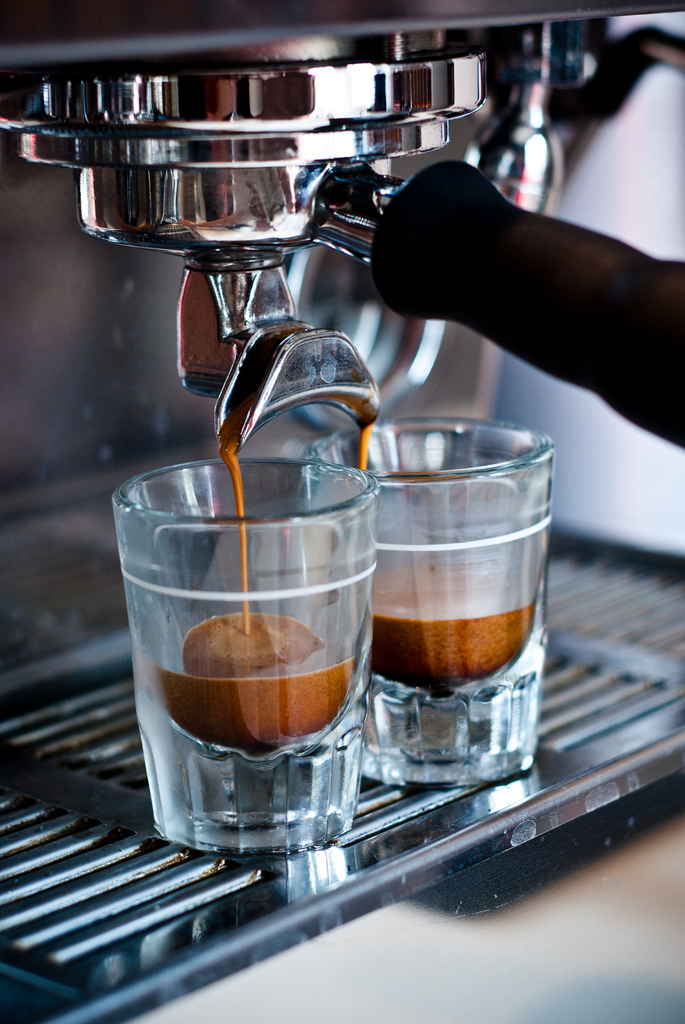
For beginners, the 22–28 second window is your starting point. But pros go further. They watch the stream: a classic ‘rat-tail’ (a thin, tapered flow) signals proper resistance. The faster the flow, the brighter and simpler the taste—more acidic, less body. The slower it pours, the heavier and more complex the cup, but also riskier for unwanted bitterness.
Remember: no machine or barista can guarantee perfect consistency. Humidity, temperature, and even bean freshness affect flow. The goal isn’t to force a set speed—it’s to understand and adjust to what the shot is telling you.
Espresso Crema Color: Your Visual Quality Check
Crema—the golden-brown foam atop your espresso—is more than just aesthetics. Its color is a direct indicator of extraction quality. The sweet spot? A crema that’s golden with a slight brown tint.
If the crema looks pale or milky white, your shot is likely under-extracted. Common causes include too little coffee, light tamping, cold water, coarse grind, low pressure, or stale beans. Roast level and bean variety can also play a role. Under-extracted shots taste sour, thin, and lack complexity.
On the flip side, dark brown or blackish crema signals over-extraction. This often happens with too much coffee, excessive tamping, hot water, fine grind, or overly dark roasts. Over-extracted espresso turns bitter, astringent, and unpleasantly heavy.
Crema color is your fastest diagnostic tool. Learn to read it, and you’ll instantly know if your shot is on track—or needs adjustment.
What Really Controls Espresso Flow?
Several factors influence your espresso’s flow rate and extraction:
- Grind Size: Too coarse = fast flow, under-extraction. Too fine = slow flow, over-extraction.
- Dose (Coffee Amount): Too little coffee leads to loose puck, fast flow. Too much can cause channeling or slow flow if packed unevenly.
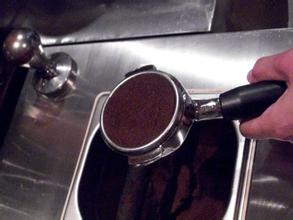
- Tamping Pressure: Light tamp = loose bed, fast flow. Heavy tamp = compacted bed, slower flow (but overdo it and you risk channeling).
- Water Temperature: Hotter water speeds up extraction; cooler water slows it down.
- Machine Pressure: Standard is 9 bars, but fluctuations affect flow stability.
- Bean Freshness: Stale beans extract inconsistently, often leading to poor crema and flow issues.
- Humidity & Ambient Conditions: Even weather can tweak your shot’s behavior slightly.
The interplay of these elements means no two shots will ever be identical. The skilled barista doesn’t chase a perfect number—they adapt to what each shot shows them in real time.
Frequently Asked Questions
What is the ideal espresso shot time?
The standard target is 22 to 28 seconds from start to finish. This range balances extraction to pull out the desirable flavors without over- or under-developing the shot. Shots faster than 22 seconds tend to be weak and sour; shots slower than 28 seconds often taste bitter and harsh.
What does the color of espresso crema mean?
Ideal crema is golden with a slight brown tint. Pale or milky crema usually means under-extraction (sour, thin taste), while dark brown or blackish crema indicates over-extraction (bitter, burnt notes). Crema color is a quick visual cue for extraction quality.
Why is my espresso flowing too fast?
Fast flow (under 22 seconds) typically results from too coarse a grind, insufficient coffee dose, light tamping, or low water temperature. These factors reduce resistance, making water pass through too quickly and under-extracting the coffee.
Why is my espresso flowing too slowly?
Slow flow (over 28 seconds) often comes from too fine a grind, too much coffee, excessive tamping, or high water temperature. These increase resistance, leading to over-extraction and a bitter, harsh shot.
What is ‘rat-tail’ flow and why does it matter?
Rat-tail refers to a thin, tapered espresso stream during the shot. It’s a sign of balanced resistance and proper extraction. Seeing a consistent rat-tail usually means you’re in the right extraction window for flavor and balance.
Does humidity affect espresso flow?
Yes. Ambient humidity and temperature can slightly alter coffee bean behavior, grind consistency, and even puck density, all of which impact flow rate. That’s why even experienced baristas adjust their approach based on environment and real-time observation.
Recommended FrontStreet Blends for Espresso Crema
For rich, stable crema and balanced extraction, try FrontStreet Coffee’s Classic Blend—a go-to for velvety, well-creamed shots even on home machines. Its traditional Manno-Brazil profile delivers deep body and effortless crema, ideal for lattes and cappuccinos. For a bold, budget-friendly option, Black Cocoa Blend offers full flavor and solid crema at a lower price, perfect for cafés watching costs. The Commercial Blend, meanwhile, is a proven workhorse with optimized body and cost efficiency, widely used in shops. All three deliver the crema and structure needed for great espresso. Freshly roasted within 5 days · Orders placed before 17:00 ship the same day · Next-day delivery across most of Guangdong Province.
FrontStreet Coffee is a long-established specialty coffee roaster in Guangzhou China, selling freshly roasted beans from its own farm in Yunnan as well as dozens of carefully selected single-origin beans from around the world for both pour-over and espresso. The products deliver consistently excellent quality and great value, with shipping within 24 hours. Guangzhou's FrontStreet Coffee shop is recommended by many coffee lovers, and the beans are now available online at the Tmall 。
Important Notice :
前街咖啡 FrontStreet Coffee has moved to new addredd:
FrontStreet Coffee Address: 315,Donghua East Road,GuangZhou
Tel:020 38364473