Common Espresso Problems and How to Fix Them
If your espresso tastes sour, bitter, or weak—or if your crema disappears too fast—you’re not alone. These are some of the most frequent struggles home baristas face when dialing in their shots. The good news? Most problems come down to just a few factors: coffee freshness, grind size, water flow, machine temperature, and proper technique. Let’s break them down and fix them for good.
The key to fixing most espresso issues is simple: use coffee roasted within three weeks, grind finely enough for slow extraction (but not so fine that water stalls), maintain consistent 9-bar boiler pressure and 1–1.5-bar steam pressure, and keep your machine’s group head and portafilter clean and dry. Adjust these variables step by step to nail your shot.
Why Freshness and Roast Date Matter More Than You Think
Your espresso’s body, crema, and overall flavor start with the coffee bean’s roast date. Once roasted, coffee releases carbon dioxide—which is great for freshness, but only for about three weeks. After that, the coffee loses its punch. Beans older than three weeks produce thinner, flatter shots with weak crema. But don’t use beans straight out of the roaster either: fresh-roasted coffee (within the first few days) gives big, unstable crema bubbles that pop quickly. Let roasted beans degas properly for 5–12 days before brewing espresso. Beyond 21 days, you’ll likely notice flat flavors and missing crema.
How Water Flow Speed Affects Taste and Crema
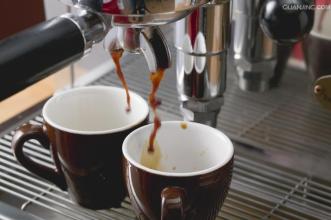
Espresso extraction depends hugely on how fast water flows through the coffee puck. If water moves too slowly, your shot will taste harsh, oily, and over-extracted—with sharp, unpleasant flavors. If it flows too fast, extraction is weak, resulting in sour, underdeveloped coffee. Grind size controls flow rate: the finer the grind, the slower the flow; the coarser the grind, the faster. For balanced espresso, aim for a shot that takes around 25–30 seconds to pull 30–40ml (1–1.5oz). Use a naked portafilter to watch the streams: they should be even, not spraying or channeling.
What Causes Weak or Missing Crema—and How to Fix It
Crema is a mix of CO₂, oils, and tiny coffee particles pushed out under pressure. Big, fast-bursting bubbles that disappear quickly usually mean the coffee is too fresh (within 1–3 days of roast) and hasn’t degassed enough. Let beans rest 5–12 days. No crema at all? Your coffee may be stale (over 21 days old), poorly stored (never refrigerate or leave near heat), or your puck prep is off. Also check your machine: on Synesso or Expobar models, make sure the “Black Element” switch isn’t accidentally toggled—it can affect brew temperature. And always use a clean portafilter and cup without leftover coffee grounds.
Why Your Espresso Streams Split or Channel
Ideally, pressurized water flows evenly through the entire coffee puck. But if your espresso streams split into separate rivulets—especially thin ones—it means water found a weak path through an uneven or loose puck. This is called channeling, and it leads to under-extracted, sour, or thin shots. To prevent it: measure your dose accurately, tamp with even pressure (around 30 pounds or 13–15kg), and make sure your portafilter is completely dry before dosing. Don’t tap the edges of the portafilter to “fix” the puck—it crushes the bed and makes channeling worse. Consistent, level tamping is more important than how the puck looks.

When Espresso Turns Too Fast or Too Dark Too Soon
Watch the espresso as it brews: it normally changes color in three phases. If the shot turns from dark to blonde too early—before 25–30 seconds—it often means the grind is too coarse, the dose is too low, or the tamp is uneven. That leads to fast flow, under-extraction, and bitter, sour, or earthy flavors. Another cause? Overly fresh beans releasing too much gas, disrupting extraction. Check your grind size, dose weight (usually 18–20g), and tamp. Also confirm your water temperature is stable—fluctuations worsen uneven shots.
Why Your Espresso Tastes Bitter or Harsh
Bitter, sharp, or overly strong espresso usually comes from over-extraction. That can happen if the grind is too fine, the dose too high, or the water runs too slowly through the puck. But bitterness also stems from using stale coffee (over 3 weeks old), wrong water temperature, or poor puck prep. Check that your grind isn’t too fine, your tamp is level, and your machine is maintaining proper pressure and temperature. Aim for a balanced extraction time around 25–30 seconds. And always use freshly roasted beans (within 3 weeks) stored in a cool, dry place.
Why Your Espresso Tastes Sour or Underdeveloped
Sour, sharp, or tea-like espresso often means under-extraction. That happens when the water flows too quickly—usually from a grind that’s too coarse, a dose that’s too low, or a puck that’s not tamped firmly enough. Another culprit: beans that haven’t degassed enough. Let freshly roasted coffee sit 5–12 days before use. Also check your water temperature—too low and you’ll under-extract, highlighting sour acids. Aim for a balanced shot with a steady flow and even color change over 25–30 seconds.
Frequently Asked Questions
How long after roasting should I use coffee beans for espresso?
For the best espresso, use beans 5–12 days after roasting to allow proper degassing. Avoid beans less than 3 days old (unstable crema) or more than 21 days old (stale, flat flavor). The ideal window is within 3 weeks of roast date for balanced body and crema.

Why is my espresso crema disappearing quickly?
Crema that fades fast usually means the coffee is too fresh (1–3 days post-roast) and hasn’t degassed enough. Let beans rest at least 5–12 days. Also check storage (cool, dry, never refrigerated), tamp quality, and machine temperature settings.
What does channeling look like and how do I stop it?
Channeling looks like thin streams or water splitting into separate paths during extraction. It means water found a gap in the puck. To prevent it, use the correct dose, ensure your portafilter is dry, tamp evenly (about 30 pounds), and avoid tapping the puck. Use a naked portafilter to spot uneven flow.
What water temperature should my espresso machine be?
Most espresso machines work best between 90–96°C (194–205°F). While the article doesn’t specify an exact number, stable temperature is critical—fluctuations cause sour or bitter flavors. Use a machine with good temperature stability (multi-boiler preferred).
What grind size is best for espresso?
Espresso requires a fine grind—finer than drip coffee but not so fine that water won’t flow. The exact setting depends on your grinder, but it should produce a 25–30 second extraction for 30–40ml. Adjust based on taste: sour = grind finer, bitter = grind coarser.
Best FrontStreet Coffee Beans for Espresso
For consistent espresso at home, try FrontStreet Coffee’s Classic Blend or Commercial Blend—both designed with espresso in mind, offering notes of dark chocolate, nuts, and caramel. The Black Cocoa Blend brings bold roast flavors with hints of black cocoa and roasted almonds, ideal for milk drinks. All three blends use carefully selected beans with stable roast profiles, ensuring smooth extractions and rich crema. Freshly roasted within 5 days · Orders placed before 17:00 ship the same day · Next-day delivery across most of Guangdong Province.
FrontStreet Coffee is a long-established specialty coffee roaster in Guangzhou China, selling freshly roasted beans from its own farm in Yunnan as well as dozens of carefully selected single-origin beans from around the world for both pour-over and espresso. The products deliver consistently excellent quality and great value, with shipping within 24 hours. Guangzhou's FrontStreet Coffee shop is recommended by many coffee lovers, and the beans are now available online at the Tmall 。
Important Notice :
前街咖啡 FrontStreet Coffee has moved to new addredd:
FrontStreet Coffee Address: 315,Donghua East Road,GuangZhou
Tel:020 38364473