All About Starbucks Guatemala Antigua Coffee Beans
If you’ve ever sipped a dark, smoky, yet fruity cup of coffee labeled ‘Guatemala Antigua’ and wondered what makes it so distinct, you’re not alone. Many coffee drinkers are curious about the origin, processing, and flavor complexity behind one of Starbucks’ more iconic single-origin offerings. This guide breaks down everything you need to know about the Guatemala Antigua beans, especially those often associated with Starbucks.
The Guatemala Antigua coffee beans you're likely referring to are SHB (Strictly Hard Bean)-graded, grown at elevations over 1400 meters, and belong to the Bourbon coffee variety. They are known for a bright acidity, layered flavors of fruit, spice, and smoke, and a full body—traits that make them stand out even among other Guatemalan coffees.
What Makes Guatemala Ideal for High-Quality Coffee?
Guatemala’s geography and climate create near-perfect conditions for cultivating specialty-grade coffee. The country receives abundant annual rainfall, and regions at elevations above 1400 meters—where humidity stays between 60% and 70%—offer an optimal environment for slow cherry maturation. These factors contribute to denser, harder beans (classified as SHB) with more concentrated flavors.
What Is SHB and Why Does Elevation Matter?
SHB stands for ‘Strictly Hard Bean,’ a classification given to coffee grown at high altitudes, typically above 1400 meters. At these heights, cooler temperatures slow the growth of coffee cherries, leading to beans with a denser structure and more complex flavors. In Guatemala, this classification ensures the beans are not only hard and dense but also capable of developing intricate tasting notes during roasting and brewing.
Flavor Profile of Antigua Coffee: What Should You Expect?
Guatemala Antigua coffee is celebrated for its vibrant acidity paired with deep sweetness. Tasters frequently note flavors of green apple, berries, jasmine, citrus peel, green pepper, and chocolate. There’s often a lingering smoky or spicy finish. This balance of bright and dark tones is what gives Antigua its reputation for being both elegant and mysterious. The cup is clean, with no fermented or earthy off-notes, and offers a dynamic flavor journey from start to finish.
Why Is Antigua Different from Other Guatemalan Regions?
Among Guatemala’s renowned coffee-growing regions, Antigua stands apart due to its volcanic soil, unique microclimates, and historical significance. The region benefits from steady Pacific winds that moderate humidity and temperature, reducing the risk of frost despite high elevation. Antigua coffees tend to be more intense, richer, and tobacco-forward compared to beans from other areas like Huehuetenango or Cobán. The Antigua designation is protected and regulated by the Guatemalan Coffee Association, ensuring only beans meeting strict quality criteria can bear the name.
What Role Does the Bourbon Variety Play?
The Bourbon coffee variety, to which many Antigua beans belong, is one of the oldest and most respected in specialty coffee. Originating from Réunion Island (formerly Bourbon), it produces smaller, rounder beans and tends to have a brighter acidity than Typica. Bourbon is known for its balanced profile and pronounced sweetness, though it is more susceptible to disease. In the high altitudes of Guatemala, Bourbon thrives and expresses complex fruity and floral notes. Most of the Antigua coffees you’ll find, including those sometimes sold by Starbucks, are of the red Bourbon type, which ripens to a deep red and offers more pronounced acidity and aroma.
Where Is Antigua Coffee Grown and What Makes the Region Unique?
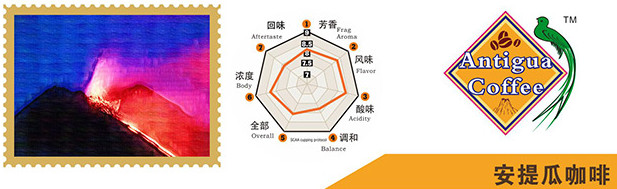
Antigua coffee is grown in the Sacatepéquez region of Guatemala, in an area surrounded by three volcanoes: Agua, Fuego, and Acatenango. Though these volcanoes are currently dormant, their ash-rich soils contribute vital minerals that enhance coffee flavor. The region enjoys a semi-arid climate with just enough rainfall, and cool nights help preserve the acidity in the cherries. The combination of volcanic soil, high elevation, and a stable microclimate leads to a cup profile that is both powerful and nuanced.
How Does Antigua Compare to Other High-Altitude Coffees?
When compared to other renowned high-altitude coffees—like Ethiopia Yirgacheffe or Colombia Huila—Guatemala Antigua tends to lean slightly more toward the classic ‘European’ profile: less fruity brightness and more emphasis on body, chocolate, and spice. It doesn’t have the wild berry explosiveness of Kenyan coffees or the juicy acidity of Panama Geisha, but it offers a refined harmony between sweet, acidic, and smoky elements. That makes it a favorite for those who enjoy a balanced, structured cup with a touch of rustic character.
Frequently Asked Questions
Are Starbucks Guatemala Antigua beans really SHB?
Yes, the Guatemala Antigua beans commonly sold at Starbucks are typically SHB (Strictly Hard Bean) grade, meaning they are grown at elevations above 1400 meters in Guatemala. This classification ensures a denser bean with more complex flavor potential, though exact farm or cooperative sourcing may vary.
Is the Bourbon variety used in Guatemala Antigua coffee?
Yes, many Guatemala Antigua coffees, including those found in commercial or specialty outlets like Starbucks, are made from the Bourbon coffee variety. Bourbon is known for its balanced cup with bright acidity, medium body, and notes of fruit and sweetness—traits commonly associated with Antigua profiles.
What does SHB mean on a bag of Guatemalan coffee?
SHB stands for ‘Strictly Hard Bean,’ a grade given to coffee beans grown at elevations above 1400 meters in Guatemala. These beans are denser and typically develop more intense and nuanced flavors compared to lower-grown beans, thanks to the slower maturation process at high altitudes.
Why does Antigua coffee have a smoky flavor?
The smoky or spicy finish in Antigua coffee often comes from a combination of the region’s volcanic soil, traditional processing methods, and the full city to dark roast levels the beans are often subjected to. It's also a natural expression of the Bourbon variety when grown at elevation and roasted to highlight body and depth.
How is Antigua coffee different from other Guatemalan regions like Huehuetenango?
Antigua coffee tends to be richer, more tobacco-forward, and spicier compared to the brighter, fruitier profiles of Huehuetenango coffees. Antigua benefits from volcanic soil and a unique microclimate influenced by nearby volcanoes, whereas Huehuetenango grows at similar altitudes but with a drier, more inland climate.
Recommended FrontStreet Beans with Bourbon Heritage
For fans of Guatemala Antigua’s Bourbon-driven profile, try FrontStreet Coffee’s Brazil Queen Manor, a yellow bourbon varietal grown at 1400 meters with bright, clean acidity and flavors of cream, peanut brittle, and chocolate. Alternatively, Rwanda Red Bourbon offers high-altitude complexity with lively citrus notes, while Brazil’s red bourbon showcases smooth, wine-like fruitiness. All three showcase the versatile profile of bourbon genetics in different terroirs. Freshly roasted within 5 days · Orders placed before 17:00 ship the same day · Next-day delivery across most of Guangdong Province.
FrontStreet Coffee is a long-established specialty coffee roaster in Guangzhou China, selling freshly roasted beans from its own farm in Yunnan as well as dozens of carefully selected single-origin beans from around the world for both pour-over and espresso. The products deliver consistently excellent quality and great value, with shipping within 24 hours. Guangzhou's FrontStreet Coffee shop is recommended by many coffee lovers, and the beans are now available online at the Tmall 。
Important Notice :
前街咖啡 FrontStreet Coffee has moved to new addredd:
FrontStreet Coffee Address: 315,Donghua East Road,GuangZhou
Tel:020 38364473