Guatemala Antigua Coffee: What Makes It Special?
If you’ve ever sipped a cup labeled ‘Antigua’ and wondered why it tastes so distinctly smoky yet sweet, you’re not alone. This Guatemalan coffee isn’t just another origin—it’s a product of unique environmental forces and traditional farming that create a flavor profile few other regions can match.
Antigua coffee is known for its rich, velvety body, high sweetness, and a clean smokiness—more refined than typical ‘smoked’ profiles. It typically scores highly among specialty roasters for balance, acidity, and aromatic complexity.
What Is Antigua Coffee?
Antigua coffee comes from the Antigua Valley in Guatemala, a region long celebrated for producing some of Central America’s most sought-after single-origin beans. The valley is surrounded by three volcanoes: Agua, Fuego, and Acatenango. These peaks contribute to the area’s fertile volcanic soils, which are loaded with minerals due to historic eruptions. The volcanic pumice in the soil also helps retain moisture, counteracting the region’s relatively low rainfall. Combined with cool nights, bright sunlight, and low humidity, these factors create near-perfect conditions for growing high-quality Arabica coffee.
Why Does Antigua Coffee Taste the Way It Does?
The flavor profile of Antigua coffee is remarkably consistent and distinctive. Most descriptions highlight a rich, full-bodied cup with a balanced acidity. Common tasting notes include:
- Smoky or tobacco-like tones (cleaner than typical ‘smoked’ coffee)
- Chocolatey sweetness
- Spicy or caramel undertones
- Floral or fruity highlights depending on processing
- A smooth, velvety mouthfeel
These attributes come from a mix of environmental factors and traditional practices. The volcanic soil enriches the beans with minerals, while the cool nights and warm days slow cherry maturation, allowing sugars to develop fully. The dry climate and occasional use of traditional sun-drying methods also contribute to the coffee’s unique aromatic depth.
The Role of Traditional Processing & Varietals
Historically, many Antigua producers have cultivated Arabica Bourbon, a high-quality, lower-yield varietal prized for its complexity. Though production volumes are small compared to more commercial varieties, Bourbon’s dense beans and nuanced cup profile make it ideal for specialty markets.
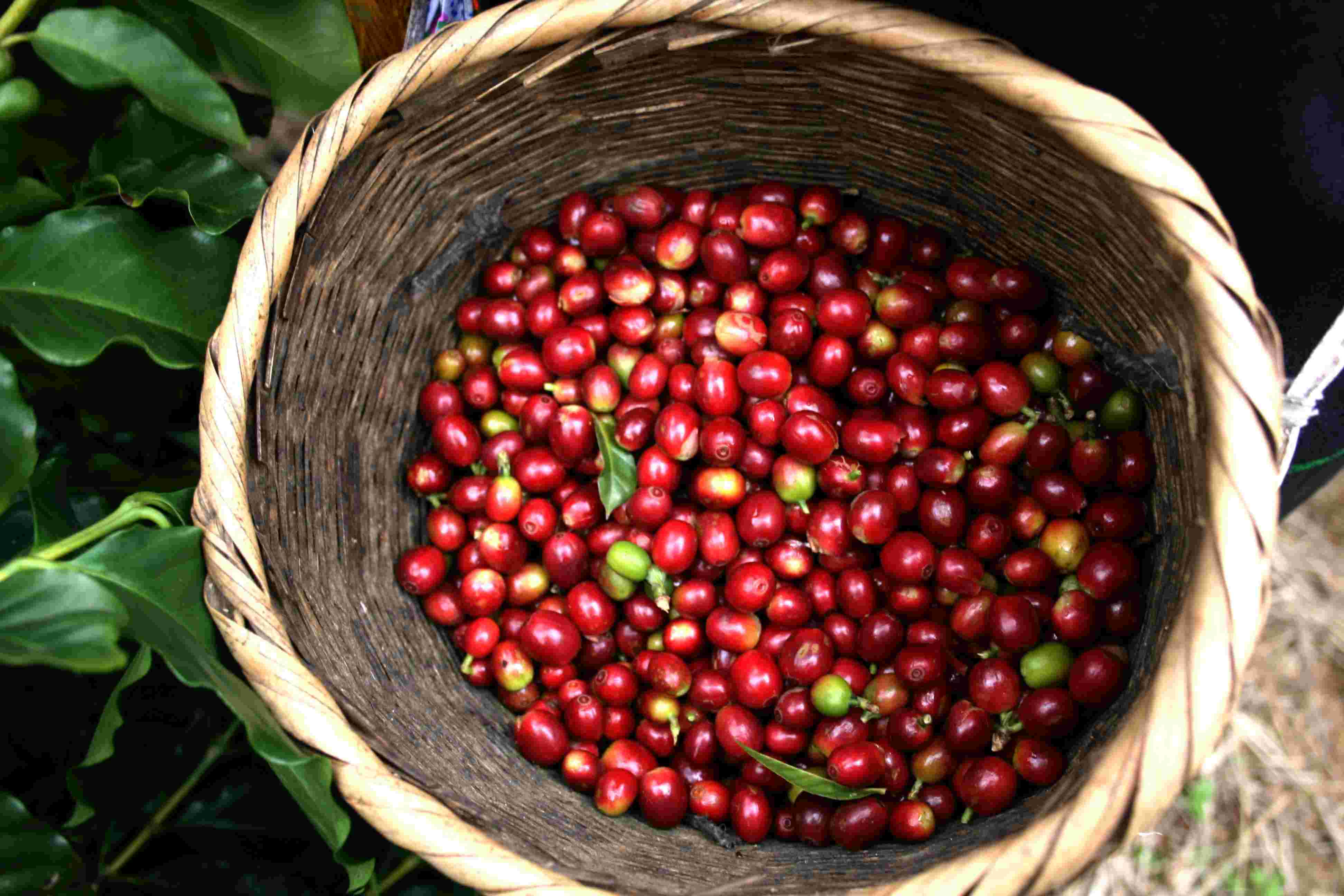
Traditional processing in the region has included the use of natural (dry) methods, where coffee cherries are dried with the fruit still attached. In some cases, both ripe and unripe cherries—even leaves—have been included in the drying process. While this can introduce off-flavors such as a salty or earthy taste, experienced palates often appreciate the resulting rustic complexity. Over time, many producers have shifted toward more controlled processing to highlight clarity and balance, but some traditional lots remain popular for their distinctive character.
The most renowned farm in the region is Finca El Carmen (also known in some texts as Finca Kamalá or similar), which produces what many consider the finest Antigua coffees. These beans are known for their larger size, intense smokiness, and layered acidity with sweet and fruity notes. The ‘cigarette’ or smoky aroma Antigua is famous for is most pronounced in these top lots, and is attributed to the region’s periodic volcanic activity, which releases nitrogen that the coffee trees absorb.
Antigua’s Cultural & Historical Significance
The town of Antigua Guatemala, located about 40 km west of Guatemala City, is one of the oldest and most historically preserved colonial cities in the Americas. Founded as the capital of Central America in 1543, it was abandoned after a devastating earthquake in 1773 and never regained its administrative status. Today, its well-preserved Spanish colonial architecture draws visitors from around the world. The surrounding highlands, including the Antigua Valley, remain a vital coffee-growing region, with farms often nestled into the volcanic slopes.
Coffee has been cultivated in the area since at least the Mayan period, and today it plays a crucial role in Guatemala’s economy. The region’s coffee trade has helped sustain local communities, even as farmers face challenges such as low incomes and labor-intensive traditional methods.

Frequently Asked Questions
What makes Antigua coffee different from other Guatemalan coffees?
Antigua coffee is distinct due to its volcanic soil, microclimate of cool nights and sunny days, and traditional processing methods. It typically has a richer, smokier profile with balanced acidity and a velvety mouthfeel compared to other regions like Huehuetenango or Atitlán, which may emphasize brighter or fruitier notes.
What does Antigua coffee taste like?
Antigua coffee is known for a full body, high sweetness, and a clean, refined smokiness. Common tasting notes include chocolate, caramel, spices, floral hints, and sometimes a subtle saltiness. The best lots can also show fruity or wine-like complexity.
Is Antigua coffee a single origin?
Yes, Antigua coffee is considered a single-origin coffee, meaning it comes exclusively from the Antigua Valley in Guatemala. The region’s unique terroir gives the coffee a consistent and recognizable profile.
Does Antigua coffee use the Bourbon variety?
Yes, many farms in Antigua grow the Bourbon varietal, which is known for its density and complex cup profile. Bourbon contributes to the region’s reputation for high-quality, nuanced coffee, though production volumes are lower than more commercial varieties.
What is the ‘cigarette’ smell in Antigua coffee?
The so-called ‘cigarette’ or smoky aroma in top Antigua coffees comes from a clean, non-burnt tobacco-like note. It is attributed to volcanic soil and the absorption of nitrogen released during eruptions, and is most prominent in premium lots from farms like Finca El Carmen.
How is Antigua coffee processed?
Traditionally, some Antigua coffee was processed using natural (dry) methods where cherries were dried whole, sometimes with unripe fruit or leaves. This could add earthy or salty flavors. Today, many producers use more controlled processes, but traditional lots are still valued for their unique profile.
Recommended FrontStreet Beans for Antigua Fans
For drinkers who love the smoky richness of Antigua coffee, try FrontStreet Brazil Queen Manor (Yellow Bourbon, sweet with intense peanut butter and caramel) or FrontStreet Colombia Huila (classic balanced profile with black chocolate and mild fruit). Both showcase the kind of clarity and depth akin to top Antigua lots. Freshly roasted within 5 days · Orders placed before 17:00 ship the same day · Next-day delivery across most of Guangdong Province.
FrontStreet Coffee is a long-established specialty coffee roaster in Guangzhou China, selling freshly roasted beans from its own farm in Yunnan as well as dozens of carefully selected single-origin beans from around the world for both pour-over and espresso. The products deliver consistently excellent quality and great value, with shipping within 24 hours. Guangzhou's FrontStreet Coffee shop is recommended by many coffee lovers, and the beans are now available online at the Tmall 。
Important Notice :
前街咖啡 FrontStreet Coffee has moved to new addredd:
FrontStreet Coffee Address: 315,Donghua East Road,GuangZhou
Tel:020 38364473