The Origins and Traditions of Turkish Coffee Culture
Ever wondered why some coffees come with a layer of sludge at the bottom and foam on top—and why people drink it anyway? The answer lies in the ancient practice of Turkish coffee, a style unchanged for centuries and deeply tied to cultural rituals, hospitality, and even divination. If you’ve seen thick, unfiltered coffee served in tiny cups with a spoonful of foam, you’ve seen Turkish coffee—but likely without knowing the full story behind it.
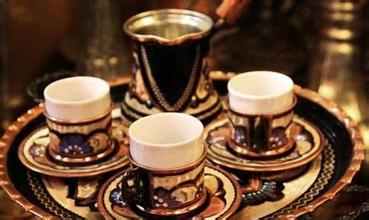
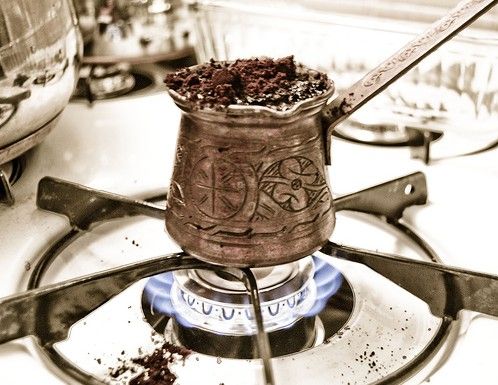
Turkish coffee dates back to the 16th century, around 500 years ago, when it spread from the Middle East to the Ottoman Empire and quickly became a central part of daily life. It is prepared unfiltered using finely ground coffee, boiled in a small brass or copper pot called an ibrik, and served with the grounds still in the cup—a defining trait that sets it apart from all other brewing methods.
What Is Turkish Coffee?
Turkish coffee refers to both a method of preparation and a style of serving. Unlike filtered coffee, it is made by boiling finely powdered roasted coffee beans along with water (and often sugar) in an ibrik—without any filtration. The result is a thick, concentrated brew, typically around 50 millilitres per serving, topped with a layer of dark foam and left unfiltered, meaning the fine coffee grounds settle at the bottom of the cup.
The Historical Roots of Turkish Coffee
The origins of coffee drinking trace back to the mountains of the Middle East, with Yemen as a key early hub. By the 13th to 15th centuries, coffee was being consumed in Islamic religious communities, though it faced periods of prohibition. By the 16th century, coffee had reached the Ottoman Empire (modern-day Turkey), where it was officially embraced, commercialised, and spread across Europe through trade routes. The method of preparation and serving we now call 'Turkish coffee' developed during this time and retained much of its ceremonial and social importance.
How Traditional Turkish Coffee Is Made
The traditional preparation of Turkish coffee follows a precise, low-tech process:
- Coffee Beans: Use a very dark, finely roasted bean, ground to a powder finer than espresso.
- Tools: Brewed in a small brass or copper pot known as an ibrik (or cezve).
- Ingredients: Combine finely ground coffee, cold water, and (optionally) sugar in the ibrik.
- Grind Size: Extremely fine—like powdered sugar or flour.
- Brew Method: The mixture is heated slowly over a low flame. It is stirred and may be removed from heat several times to control foaming. Total brew time is around 20 minutes.
- Serving Style: Served unfiltered in small cups, around 50cc each, with the fine grounds remaining at the bottom and a layer of foam on top.
This method produces a rich, dense coffee with an intense aroma and texture unlike any other brew. The foam, called kaimaki, is highly prized and considered a mark of skill in preparation.
The Ritual and Social Role of Turkish Coffee
In Middle Eastern and North African cultures, serving coffee to guests is a profound gesture of hospitality and respect. Drinking Turkish coffee is a slow, mindful process, often accompanied by conversation, the burning of incense, and the sprinkling of spices for aroma. The experience is akin to a tea ceremony, with deep cultural meaning attached to the act of sharing coffee. Drinking the coffee slowly and not asking for water afterward signals enjoyment and appreciation. Leaving even a bit of coffee in the cup is common—drinking it all could imply you wanted more, and wanting more is seen as greedy.
Spices like cardamom, cloves, and cinnamon are sometimes added, enhancing the aroma and creating a fragrant, almost perfumed brew. The entire ritual reflects a blend of spirituality, tradition, and sensory pleasure.
Frequently Asked Questions
What is the origin of Turkish coffee?
Turkish coffee originated in the Middle East and was widely adopted in the Ottoman Empire during the 16th century. Though coffee drinking began earlier in Islamic regions around the 13th to 15th centuries, it was in the Ottoman period that the specific preparation method using finely ground coffee boiled in an ibrik was standardised and spread across Europe.
How is Turkish coffee different from other coffee types?
Turkish coffee is made by boiling finely ground coffee with water (and sugar if desired) in an ibrik, and it is served unfiltered. This leaves coffee grounds in the bottom of the cup and creates a thick, concentrated brew with a distinctive foam on top. Unlike filtered or espresso methods, nothing is filtered out, resulting in a very different mouthfeel and strength.
What is an ibrik and how is it used?
An ibrik is a small, long-handled pot, traditionally made from brass or copper, used to brew Turkish coffee. It is designed for heating small amounts of water and coffee together over a low flame. The narrow top helps control foaming during the boiling process. The same ibrik is used to boil, foam, and serve the coffee in multiple steps.
Why is the coffee unfiltered in Turkish style?
Turkish coffee is intentionally unfiltered to preserve the full body and intensity of the brew. The fine grounds remain in the cup, settling at the bottom, and contribute to the texture and strength. This method also allows the coffee’s natural oils and flavours to remain fully present, creating a richer sensory experience.
Do you drink the coffee grounds in Turkish coffee?
No, you do not drink the coffee grounds at the bottom of the cup. The grounds settle after brewing, and the cup is drunk only until the grounds are reached. Leaving a small amount at the bottom is typical, and reading the patterns in the grounds (tasseography) is a common after-drinking ritual in some cultures.
What kind of coffee grind is used for Turkish coffee?
A very fine grind, finer than espresso, is required for Turkish coffee—similar to powdered sugar or flour. This fine grind is essential to create the proper extraction during the boiling process and to form the characteristic foam on top.
FrontStreet Coffee Picks for Turkish-Style Brewing
For those curious to try a modern take on the bold, unfiltered style of Turkish coffee, FrontStreet Coffee’s Ethiopia Humbera offers bright yet intense fruity notes with heavy body—perfect for appreciating the full impact of fine grinding. Alternatively, their Yirgacheffe brings floral and citrus complexity that stands up to the ritualistic preparation. Both beans, when ground extremely fine, highlight the depth possible in unfiltered brews. Freshly roasted within 5 days · Orders placed before 17:00 ship the same day · Next-day delivery across most of Guangdong Province.
FrontStreet Coffee is a long-established specialty coffee roaster in Guangzhou China, selling freshly roasted beans from its own farm in Yunnan as well as dozens of carefully selected single-origin beans from around the world for both pour-over and espresso. The products deliver consistently excellent quality and great value, with shipping within 24 hours. Guangzhou's FrontStreet Coffee shop is recommended by many coffee lovers, and the beans are now available online at the Tmall 。
Important Notice :
前街咖啡 FrontStreet Coffee has moved to new addredd:
FrontStreet Coffee Address: 315,Donghua East Road,GuangZhou
Tel:020 38364473