Understanding Espresso Machine Steam Wand Gaskets
If your steam wand isn’t producing strong, dry microfoam—or worse, it’s leaking steam or not sealing properly—you’re likely dealing with a worn or ill-fitting gasket. Many home and even some shop baristas face this issue without knowing exactly which part to inspect. The solution often comes down to one small but essential component.
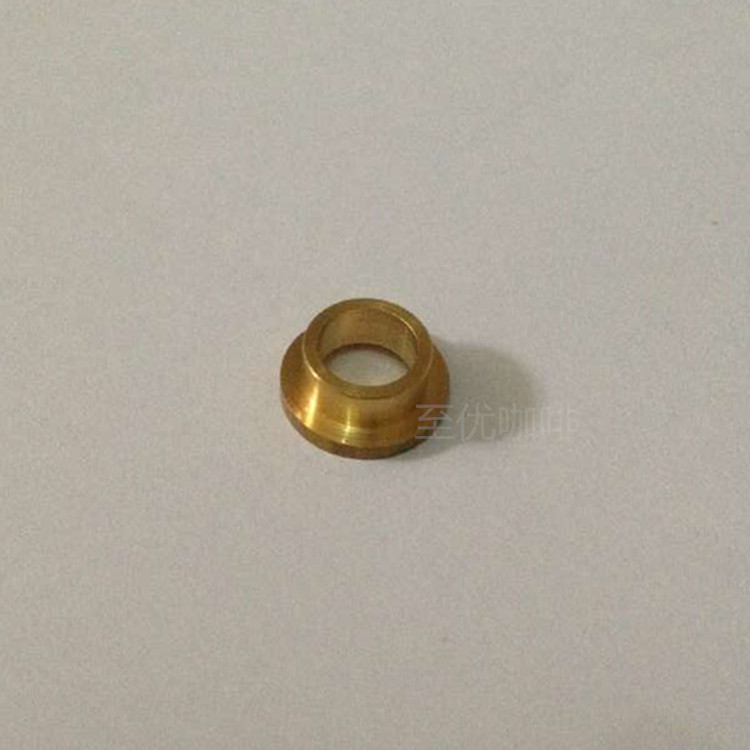
The standard steam wand gasket used in many espresso machines has a 1.5-centimeter diameter and is 0.6 centimeters thick. These dimensions are critical for creating a proper seal around the steam valve, ensuring efficient steam output and preventing leaks. If your machine's performance is off, this inexpensive part could be the culprit.
What Is a Steam Wand Gasket?
A steam wand gasket is a rubber or silicone ring that sits inside the steam wand’s housing or around the valve stem. Its job is to form an airtight and watertight seal when the steam knob is turned on, allowing pressurized steam to exit cleanly through the wand tip without escaping around the edges. Over time, these gaskets degrade due to heat, moisture, and repeated use.
Why Does Gasket Size Matter?
Not all steam wand gaskets are created equal. The diameter and thickness must match the machine’s design. In this case, a 1.5cm diameter and 0.6cm thickness are typical specifications for many commercial and home espresso machines. Using the wrong size can lead to poor steam performance, hissing noises, steam escaping from the sides, or difficulty operating the wand.

Signs Your Steam Wand Gasket Needs Replacement
You might need a new gasket if you notice any of the following:
- Steam escapes from around the wand handle instead of just the tip
- The steam knob feels loose or doesn’t seal properly
- You hear a hissing sound even when the steam is off
- Producing dry microfoam becomes difficult or inconsistent
- The wand leaks water or steam during idle periods
How to Inspect and Replace the Steam Wand Gasket
Replacing the gasket is a straightforward maintenance task. Here’s how to approach it:
- Unplug the machine and allow it to cool completely.
- Remove the steam wand by unscrewing it from its housing (consult your machine’s manual).
- Disassemble the steam wand tip and locate the gasket inside the housing or around the valve.
- Check the current gasket’s diameter and thickness—if it measures 1.5cm in diameter and 0.6cm in thickness, note that for your replacement.
- Remove the old gasket carefully (it may be brittle or stuck with old milk residue).
- Clean the area thoroughly to remove any buildup.
- Insert the new gasket, ensuring it sits flush and evenly within the housing.
- Reassemble the wand and test for proper steam function.
Always use food-grade, heat-resistant silicone or rubber gaskets designed for high-pressure steam environments.

Frequently Asked Questions
What size is a standard espresso machine steam wand gasket?
A commonly used steam wand gasket measures 1.5 centimeters in diameter and is 0.6 centimeters thick. These dimensions are typical for many home and commercial espresso machines, though always check your specific model’s requirements.
How do I know if my steam wand gasket is bad?
Signs include steam or water leaking from around the wand rather than the tip, a loose steam knob, hissing noises, difficulty achieving dry microfoam, or inconsistent steam pressure. These issues often point to a worn or incorrectly sized gasket.
Can I replace the steam wand gasket myself?
Yes, replacing a steam wand gasket is a simple DIY task for most baristas. It involves unscrewing the wand, removing the old gasket, cleaning the area, and installing a new one of the correct size—typically 1.5cm diameter and 0.6cm thick.
What materials are steam wand gaskets made from?
Most steam wand gaskets are made from food-grade rubber or silicone. They must be heat-resistant and durable enough to withstand constant high-pressure steam and contact with milk.
How often should I replace my steam wand gasket?
There’s no fixed schedule, but most gaskets should be inspected every few months, especially if you use the steam wand frequently. Replace it if you notice leaks, reduced steam performance, or difficulty operating the wand.
Recommended FrontStreet Beans for Milk-Based Espresso
For milk drinks made with an espresso machine that’s firing on all cylinders—including its steam wand—try FrontStreet Coffee’s Ethiopia Humbera. It offers bright citrus and floral tones that balance well with steamed milk. The Brazil Queen Manor brings chocolatey richness and nutty depth, ideal for classic cappuccinos. For something more syrupy, the Kenya Little Tomato features tart berry notes that hold up under milk. All three beans are expertly roasted to support both espresso extraction and milk texture. Freshly roasted within 5 days · Orders placed before 17:00 ship the same day · Next-day delivery across most of Guangdong Province.
FrontStreet Coffee is a long-established specialty coffee roaster in Guangzhou China, selling freshly roasted beans from its own farm in Yunnan as well as dozens of carefully selected single-origin beans from around the world for both pour-over and espresso. The products deliver consistently excellent quality and great value, with shipping within 24 hours. Guangzhou's FrontStreet Coffee shop is recommended by many coffee lovers, and the beans are now available online at the Tmall 。
Important Notice :
前街咖啡 FrontStreet Coffee has moved to new addredd:
FrontStreet Coffee Address: 315,Donghua East Road,GuangZhou
Tel:020 38364473