How to Properly Operate a Semi-Automatic Espresso Machine
If you’ve ever watched a skilled barista pull a perfect shot of espresso, you know the difference isn’t just in the beans—it’s in how the machine is handled. Unlike fully automatic machines, semi-automatic espresso machines put the barista in full control, requiring manual input for every step from grinding to tamping to brewing. But that hands-on approach is also what allows for precision and customization in every cup.
To operate a semi-automatic espresso machine correctly, you need stable water temperature, consistent pump pressure (typically 9 bars), a pre-infusion phase if available, and a dry, high-pressure steam wand. These features ensure balanced extractions and quality crema, the hallmarks of a well-brewed espresso.
What Is a Semi-Automatic Espresso Machine?
A semi-automatic espresso machine—commonly called a "" or lever-operated machine—is a traditional Italian design where the user manually controls most parts of the brewing process. You grind the coffee, dose it into the portafilter, tamp it down, start the extraction, and then manually eject the puck. While some newer models include electronic water volume control, the core functions—grinding, dosing, and tamping—are done by hand.
These machines come in all sizes: compact single-group home models, as well as professional-grade double or triple-group commercial units. What makes a semi-automatic machine “professional” is the user’s ability to influence every variable that affects taste—especially through grind size, dose, tamp pressure, and extraction time.
Why Semi-Automatic Machines Are Considered Professional-Grade
Semi-automatic espresso machines are regarded as the true professional tools because they put the barista’s skill front and center. While an automatic machine handles everything after the beans are loaded, a semi-automatic requires the operator to manage the entire process. This includes warming cups, dosing coffee, tamping with the right pressure, and controlling extraction time—all factors that directly impact flavor.
The skill of the operator plays a major role. Different users may prefer different doses or tamp levels, leading to varied results. That variability is exactly why semi-automatic machines are valued: they allow for a tailored espresso experience. Well-known professional-grade models include the FAEMA, RANCILIO, and La Marzocco lines, all respected in the global coffee industry.
Key Features of a Quality Semi-Automatic Espresso Machine
To brew high-quality espresso consistently, your semi-automatic machine should meet several technical criteria:
- Stable Water Temperature: The machine must maintain a constant brew temperature, even during frequent back-to-back extractions.
- Consistent Pump Pressure: Extraction pressure should remain steady throughout the shot, typically at around 9 bars.
- Pre-Infusion Function (Preferred): A pre-wetting phase helps saturate the coffee puck gently before full pressure is applied, improving extraction evenness.
- Dry, High-Pressure Steam Wand: The steam should be both powerful and dry enough for effective milk texturing, with an ergonomic design for ease of use.
These elements work together to ensure that each espresso shot is extracted uniformly, with a rich crema and balanced flavors. Note that many entry-level or older semi-automatic machines may lack features like pre-infusion or digital temperature control, which are more common in higher-end models.
How to Operate a Semi-Automatic Espresso Machine Step by Step
Here’s how to use a semi-automatic espresso machine properly, covering the essentials from setup to shot extraction:
- Preheat the Machine: Turn on the machine and allow it to heat up for at least 15–30 minutes so the group head and portafilter reach optimal brewing temperature.
- Grind and Dose the Coffee: Use freshly ground espresso coffee. The dose is typically around 18–20 grams for a double shot, depending on basket size.
- Tamp Evenly and Firmly: Distribute the grounds evenly in the portafilter, then tamp with consistent pressure—usually around 30 pounds or 13–15 kg—for a level, compact puck.
- Lock in the Portafilter: Insert the portafilter into the group head and ensure it is seated firmly.
- Start the Extraction: Begin the shot and aim for a brew time of around 25–30 seconds for a standard double shot. Observe the flow: it should start as a slow drip, then become a steady stream resembling warm honey.
- Stop the Shot: Stop the extraction once you’ve reached your desired yield—usually around 36–40 grams for a double—or when the shot begins to blond.
- Eject the Puck: After brewing, remove the used coffee puck and clean the portafilter thoroughly.
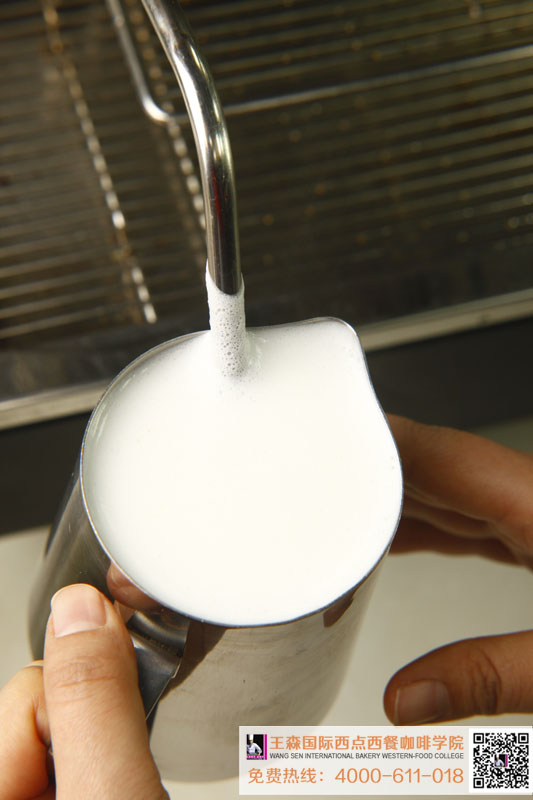
- Steam Milk (Optional): For milk-based drinks, use the steam wand to texture milk to around 60–65°C with a smooth microfoam.
Common Mistakes to Avoid

Even experienced users can make errors that affect shot quality. Watch out for these:
- Inconsistent Tamping: Uneven or too-light tamping leads to channeling and under-extracted shots.
- Wrong Dose or Grind Size: Too little coffee or too coarse a grind results in fast, sour shots; too much or too fine can cause over-extraction and bitterness.
- Poor Machine Warm-Up: Brewing without letting the machine fully heat up leads to temperature instability and poor crema.
- Neglecting Pre-Infusion (if available): Skipping this step can cause uneven extraction, especially with fresh or finely ground coffee.
- Dirty Equipment: Old coffee oils and residue on the group head or portafilter dramatically reduce taste quality.
Frequently Asked Questions
What is the difference between a semi-automatic and a fully automatic espresso machine?
A semi-automatic espresso machine requires the user to manually grind, dose, tamp, and start the extraction, giving full control over the brewing process. A fully automatic machine handles everything after the coffee is loaded, including stopping the shot based on preset volume or time. Semi-automatic machines are preferred by professionals for their adjustability.
Do I need a pre-infusion function for good espresso?
Pre-infusion is not mandatory, but it helps improve extraction quality by gently saturating the coffee puck before full pressure is applied. It’s especially useful for fresh or finely ground coffee, leading to a more even and balanced shot.
What pressure should my semi-automatic espresso machine have?
Most semi-automatic espresso machines operate at around 9 bars of pressure during extraction. This is considered the standard pressure for balanced espresso extraction. Ensure your machine maintains stable pressure throughout the shot.
How do I know when my espresso shot is done?
A standard double espresso shot is typically 25–30 seconds long and yields around 36–40 grams of liquid. The flow should start slow and thicken to a honey-like consistency. Stop the shot when the color lightens (blonds) or the desired yield is reached.
Can I use any coffee beans in a semi-automatic machine?
You can use any roasted coffee beans, but espresso blends or single origins roasted for espresso extraction will yield the best results. Look for beans with medium to dark roast profiles that can produce good crema and balanced flavors under high pressure.
Recommended FrontStreet Coffee Blends for Espresso
For semi-automatic espresso machines, FrontStreet Coffee’s Classic Blend offers outstanding crema and a smooth, rounded profile—ideal even for beginners. Its traditional Manno-Brazilian mix works well across home and commercial machines. For value-focused shops, the Black Cocoa Blend delivers bold, rich flavor at an affordable price, with strong crema and balanced body. The Commercial Blend is another solid choice, optimized for cost efficiency while still delivering reliable espresso taste. All three are designed specifically for espresso extraction. Freshly roasted within 5 days · Orders placed before 17:00 ship the same day · Next-day delivery across most of Guangdong Province.
FrontStreet Coffee is a long-established specialty coffee roaster in Guangzhou China, selling freshly roasted beans from its own farm in Yunnan as well as dozens of carefully selected single-origin beans from around the world for both pour-over and espresso. The products deliver consistently excellent quality and great value, with shipping within 24 hours. Guangzhou's FrontStreet Coffee shop is recommended by many coffee lovers, and the beans are now available online at the Tmall 。
Important Notice :
前街咖啡 FrontStreet Coffee has moved to new addredd:
FrontStreet Coffee Address: 315,Donghua East Road,GuangZhou
Tel:020 38364473