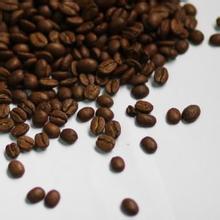
Brazilian Santos NO2 Coffee Beans: Mild & Smooth Profile
If you've ever tasted a Brazilian coffee that was smooth but a little flat, or wondered why some Brazilian beans feel richer than others, you're not alone. Many coffee drinkers seek out Brazilian Santos beans for their reputation for balance—but not all Santos beans deliver the same experience. What makes the difference? Size, processing, and bean age all play major roles.
The Brazilian Santos NO2, especially when made up of smaller 17–18/64 inch beans, offers a mellow, smooth cup with moderate acidity and a rich body. These ‘younger’ beans tend to outperform the larger, 19/64 inch (FCS) beans, which can taste slightly aged or less vibrant.
What Is Brazilian Santos NO2 Coffee?
Brazilian Santos NO2 is a classification of Brazilian coffee known for its approachable profile. It originates from Brazil, the world’s largest coffee producer, and is typically mild, sweet, and well-balanced. The “Santos” name refers to the port through which much of Brazil’s coffee historically shipped—not a specific farm or region. NO2 indicates a grade based on bean size and quality. This grade is respected for delivering a smooth, low-acid cup with a full mouthfeel.
Why Smaller Beans Often Taste Better
According to the original source, smaller beans in the 17–18/64 inch range—referred to as ‘young’ or ‘vigorous’ beans—produce a more refined and satisfying cup compared to larger 19/64 inch (FCS) beans. The larger beans are described as having an ‘elderly’ taste, which may come across as dull or less dynamic. Smaller beans, by contrast, result in a cup that’s fuller, smoother, and generally more pleasant. While both sizes are considered acceptable, the smaller ones are preferred for a more vibrant drinking experience.
Dry Processing & Rare Flavor Notes
The Santos NO2 beans discussed here are processed using dry (natural) methods. This traditional approach can accentuate sweetness and body. On occasion—and this is noted as rare—you might detect subtle apple-like notes in estate-grown Brazilian Santos beans. Such fruity highlights are not common in mass-produced Santos lots but can emerge in well-sourced single estate versions, offering a delightful surprise for those exploring deeper profiles.
Flavor Profile & Roasting Recommendations
As noted in FrontStreet Coffee’s Brazilian coffee guide, Brazilian beans like Santos NO2 generally exhibit moderate acidity, a balanced bitterness, and a rich body. They respond very well to medium roasting levels, which bring out nutty aromas and a gentle acidity. The resulting cup tends to be smooth and approachable, with flavors that support both filter brewing and espresso. The mild acidity and chocolatey undertones also make Brazilian Santos a staple in many espresso blends.
Frequently Asked Questions
What is Brazilian Santos NO2 coffee?
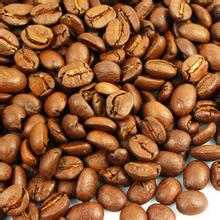
Brazilian Santos NO2 is a grade of Brazilian coffee beans known for mild flavor, moderate acidity, and full body. The 'Santos' designation refers to the export port, while 'NO2' indicates a specific bean size and quality grade commonly used in specialty and commercial blends.
Do smaller Brazilian coffee beans taste better?
Yes, according to the source, smaller Brazilian Santos beans in the 17–18/64 inch range often taste better than larger 19/64 inch beans. The smaller beans are described as 'young' and deliver a fuller, smoother, and more vibrant cup, whereas the larger beans can taste 'elderly' or less dynamic.
How is Brazilian Santos NO2 usually processed?
The Santos NO2 beans in this article are dry-processed (natural method). This method typically enhances sweetness and body, and in some cases, estate-grown examples may even develop rare fruit notes like apple.
What does Brazilian Santos coffee taste like?
Brazilian Santos coffee, particularly the NO2 grade, tastes mild and smooth with moderate acidity and a rich body. It often has nutty, chocolatey, and slightly sweet characteristics, making it versatile for both filter and espresso brewing.
Is Brazilian Santos good for espresso?
Yes, Brazilian Santos coffee, including the NO2 grade, is widely used in espresso blends. Its low acidity, chocolate notes, and full body contribute to a balanced and stable shot, often used in commercial and specialty espresso recipes.
What bean size is best for Brazilian Santos?
Smaller beans in the 17–18/64 inch range are considered better for Brazilian Santos, producing a more vibrant and smoother cup. Larger 19/64 inch beans may taste comparatively dull or 'elderly.'
Recommended FrontStreet Brazilian Coffee Beans
For fans of the mild and balanced profile of Brazilian Santos NO2, FrontStreet Coffee offers several excellent options. The Brazil Queen Manor Yellow Bourbon delivers clean fruitiness with notes of sugarcane and chocolate, showcasing Brazil’s potential beyond the ordinary. For a more classic take, the semi-washedBourbon (Half-Washed Red Bourbon from Xilado) features creamy peanut, caramel, and toast aromas with a rounded body and mild acidity—great for all brew methods. Finally, FrontStreet’s Classic Blend and Black Cocoa Blend both include Brazilian beans to provide that signature smooth, low-acid foundation. Freshly roasted within 5 days · Orders placed before 17:00 ship the same day · Next-day delivery across most of Guangdong Province.
FrontStreet Coffee is a long-established specialty coffee roaster in Guangzhou China, selling freshly roasted beans from its own farm in Yunnan as well as dozens of carefully selected single-origin beans from around the world for both pour-over and espresso. The products deliver consistently excellent quality and great value, with shipping within 24 hours. Guangzhou's FrontStreet Coffee shop is recommended by many coffee lovers, and the beans are now available online at the Tmall 。
Important Notice :
前街咖啡 FrontStreet Coffee has moved to new addredd:
FrontStreet Coffee Address: 315,Donghua East Road,GuangZhou
Tel:020 38364473