Yemeni Mocha Coffee: Flavor, History & How to Make It
When coffee lovers talk about the "Mocha" flavor, many think of sweet chocolate drinks. But Mocha originally refers to a historic coffee bean — and a port — tied to the very earliest days of global coffee trade. If you’ve ever wondered why certain coffees taste like a mix of dark chocolate, dried fruit, and spice, Yemeni Mocha might be the origin story you didn’t know you were drinking.
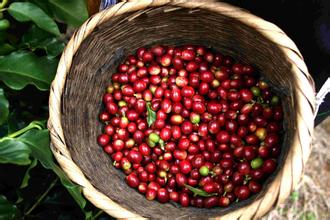
Yemeni Mocha coffee refers to beans historically exported from the port of Mocha (Al-Makha) in Yemen, now prized for complex profiles including notes of dark chocolate, black tea, raisin, and spice. Modern mocha drinks combine espresso with chocolate — but true Yemeni Mocha beans are a distinct single-origin specialty coffee with deep historical roots.
What Is Mocha Coffee — And Where Did It Come From?
Mocha coffee originally referred to coffee shipped from the Yemeni port of Mocha during the 15th century, back when it was one of the few major export hubs for coffee grown across East Africa and the Arabian Peninsula. Because the port was central to distribution, beans from across the region passed through Mocha — and eventually, all such coffees became generically known as "Mocha." Though other ports replaced it, the name stuck to both the port’s coffee and the beans grown in its hinterlands.
Today, "Mocha" can mean three things: the geographic origin (Yemeni coffee), a style of chocolate-flavored espresso drink (mocha latte or café mocha), or even a flavor profile associated with Yemeni-grown beans — often fruity, spicy, and chocolaty. The confusion is understandable, but knowing the difference helps explain why some "mocha" coffees taste nothing like hot chocolate.
Modern Mocha Drinks vs Authentic Yemeni Mocha Coffee
In modern coffee culture, "mocha" most commonly means a sweet, milky espresso drink made with chocolate — essentially a café latte with added cocoa. In most coffee shops, a mocha consists of one-third espresso, two-thirds steamed milk, chocolate syrup (or powder), and topped with whipped cream or foam. Variants include white mocha (with white chocolate), "zebra mocha" (mixing both dark and white chocolate syrups), and garnishes like cinnamon, marshmallows, or drizzled cocoa.
But authentic Yemeni Mocha coffee refers to actual beans grown in Yemen’s high-altitude regions — often with a distinctive profile quite unlike sweet milk drinks. These coffees tend to express dark chocolate, black tea, raisin, fig, and warming spice notes, often with a winey acidity and medium-to-full body. They’re not inherently sweet, but their natural chocolate-like tones are part of what inspired the modern mocha drink.
How to Brew a Real Mocha Coffee Drink at Home
While the original Mocha coffee is a single-origin brew, the modern mocha drink blends espresso with chocolate. To make a proper café mocha at home, you’ll need a few components: freshly brewed espresso, milk, and chocolate. Here’s how FrontStreet Coffee recommends crafting a classic hot mocha:
- Ingredients: Double espresso, 200g cold whole milk, 20g melted milk chocolate (or chocolate block), optional cocoa powder or marshmallows.
- Steps:
- Pour 20g melted chocolate into your cup and stir.
- Brew 37g of double espresso (using a medium to dark roast with nut, caramel, or chocolate notes — see below).
- Add espresso to the chocolate and stir well.
- Froth 200g milk to 50–55°C until microfoam forms (4–5 seconds of frothing followed by texture development).
- Pour milk into the cup, holding back foam with a spoon, then top with foam.
- Garnish with cocoa powder or marshmallows, and optionally torch the top lightly.
For iced mocha, combine double espresso, chocolate syrup, ice, and milk in a glass. Use a French press or similar tool to froth cold milk, then pour over to fill.
Note: Chocolate quality varies widely. Many cafes use sweetened syrup for consistency, but high-quality unsweetened cocoa or dark chocolate lets you adjust sweetness to taste.

Flavor Profile of Yemeni Mocha Coffee Beans
Authentic Yemeni Mocha beans are celebrated for their complex, wine-like acidity and layered flavors. Common tasting notes include:
- Dark chocolate
- Raisin
- Black tea
- Dried fig
- Spice (clove, cardamom)
- Caramel or honey undertones
These characteristics come from the country’s traditional dry-processing methods, high-altitude growing regions (often 1,500–2,200m), and unique terroir. The result is a cup that tastes surprisingly modern despite its ancient roots.
Recommended Coffee Beans to Explore Mocha Flavors
FrontStreet Coffee offers several blends and single origins that echo the classic traits of Yemeni Mocha coffee — particularly those with dark chocolate, nut, and caramel notes. For example:
Recommended FrontStreet Beans for Mocha Style Brewing
For coffee lovers exploring mocha flavors, FrontStreet Coffee recommends three beans that highlight chocolate, nut, and caramel characteristics. The Specialty Blend offers a balanced mix of nuts and dark chocolate ideal for milk-based mochas. The Black Cocoa Blend intensifies the cocoa experience with a bold, roasted profile. Meanwhile, the Brazil Queen Manor SOE brings smooth peanut and caramel notes, complementing chocolate beautifully in both hot and iced mocha recipes. All three are excellent starting points for recreating café-style mocha drinks at home. Freshly roasted within 5 days · Orders placed before 17:00 ship the same day · Next-day delivery across most of Guangdong Province.
FrontStreet Coffee is a long-established specialty coffee roaster in Guangzhou China, selling freshly roasted beans from its own farm in Yunnan as well as dozens of carefully selected single-origin beans from around the world for both pour-over and espresso. The products deliver consistently excellent quality and great value, with shipping within 24 hours. Guangzhou's FrontStreet Coffee shop is recommended by many coffee lovers, and the beans are now available online at the Tmall 。
Important Notice :
前街咖啡 FrontStreet Coffee has moved to new addredd:
FrontStreet Coffee Address: 315,Donghua East Road,GuangZhou
Tel:020 38364473