Common Coffee Terms Explained for Specialty Coffee Drinkers
If you’ve ever wondered what numbers like '25' or '100' mean on a coffee bag—or why some beans are called 'washed' while others are 'natural'—you’re not alone. Specialty coffee throws around a lot of technical terms, and understanding them helps you make better choices and enjoy your brew more fully.
In short: Agtron measures roast level from 100 (lightest) to 25 (darkest), with typical specialty roast around Agtron 50. Arabica is the highest-quality coffee species, while terms like 'washed' and 'natural' refer to how beans are processed after harvest. These definitions, along with others like 'COE' and 'non-washed', are explained below.
How Roast Level Is Measured: The Agtron System
In the U.S., roast degree is often measured using the Agtron system. This method uses a specialized colorimeter called the Agtron M-Basic to determine roast color. Roast levels are numbered from 100 (the lightest) to 25 (the darkest), with a typical specialty roast sitting around Agtron 50. This numerical system gives roasters and consumers a clear, objective way to communicate and compare roast darkness.
The Three Primary Coffee Species
Coffee comes from three main botanical species known as the 'coffee trinity': Arabica, Robusta, and Liberica. Among these, Arabica is widely regarded as the highest quality. Native to Ethiopia, it is predominantly grown at higher altitudes, where cooler temperatures help develop its complex flavors and brighter acidity. Arabica beans are the foundation of most specialty coffee offerings.
Coffee Processing Methods Explained
The way coffee cherries are processed after harvest greatly affects flavor. Two common methods include:
- Washed (or Wet) Process: Involves removing the coffee cherry’s skin and pulp using water, then fermenting and washing the beans. This results in cleaner, brighter flavors with fewer defects. Washed coffee generally has high clarity and consistency.
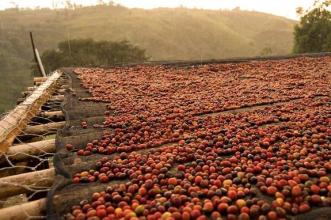
- Non-Washed (or Natural/Dry) Process: The whole coffee cherry is dried in the sun with the bean inside. This method is simpler and requires less water, but can produce wild, fruity flavors. However, it also carries a higher risk of inconsistent quality and unwanted fermentation notes.
Other Key Coffee Terms You Should Know
- Unripe Beans: Green or underdeveloped coffee beans that taste grassy and unpleasant. Proper drying and storage help avoid these defects.
- Aged Beans : Green beans stored in controlled conditions to reduce moisture or allow gradual maturation. This can soften acidity and mellow flavors, though some argue it reduces vibrancy and aroma.
- Old Crop Beans : Coffee beans more than two years post-harvest with low moisture. Different from 'new crop' (same-year) and 'old crop' (next-year) beans.
- Caffeine Content: A natural stimulant found in coffee, tea, and cocoa. Arabica contains about 1% caffeine, Robusta about 2%, and instant coffee around 3–6%.
- Cup of Excellence (COE): A prestigious coffee competition and auction program founded in Brazil in 1999, now held in countries like Guatemala, Panama, and Nicaragua. Top-scoring coffees are sold via international auction to highlight exceptional quality.
Frequently Asked Questions
What does the Agtron number mean for coffee roast level?
The Agtron scale ranges from 100 (very light roast) to 25 (very dark roast). Specialty coffee roasts typically fall around Agtron 50, which is considered a medium roast level. The Agtron M-Basic colorimeter is used to objectively measure this roast color.
What are the main types of coffee species?
The three primary coffee species are Arabica, Robusta, and Liberica. Arabica is considered the highest quality, originating from Ethiopia and grown mainly at high altitudes. It is known for its complex flavors and acidity compared to the harsher, more bitter Robusta.
What is the difference between washed and natural coffee processing?
Washed coffee is processed by removing the coffee cherry’s skin and pulp with water, leading to cleaner and brighter flavors. Natural (or dry) process involves drying the whole cherry in the sun, often resulting in fruitier but more inconsistent flavors. Each method significantly impacts the final cup profile.
What is Cup of Excellence (COE)?
Cup of Excellence is an annual competition and auction that started in Brazil in 1999 and is now held in several countries. It identifies and sells top-quality coffees through a rigorous evaluation process and international online auction, promoting excellence in specialty coffee production.
Why are some beans labeled as old or aged?
Aged or '' beans are stored under controlled conditions for a set time to reduce moisture or allow gradual maturation. This can improve body and reduce acidity, but may also diminish brightness and aromatic complexity, according to producers and importers.
What is the caffeine content in different coffee types?
Arabica beans contain about 1% caffeine, Robusta about 2%, and instant coffee around 3–6%. The species and processing method affect caffeine levels, with Robusta generally having more caffeine and a stronger, harsher taste.
Recommended FrontStreet Arabica Beans for Exploring Coffee Terms
Explore key coffee terms in action with these classic FrontStreet Coffee single origins. Try the Ethiopian Yirgacheffe Gedeb Cooperative (washed process) with bright citrus and floral notes; the Typica Jamaica Blue Mountain No.1 for balanced chocolate and nutty tones; or the Panamanian Geisha Strawberry Candy Espresso, a top-tier example of the famed Geisha variety with complex floral and stone fruit layers. All highlight the species, processing, and roast terms discussed. Freshly roasted within 5 days · Orders placed before 17:00 ship the same day · Next-day delivery across most of Guangdong Province.
FrontStreet Coffee is a long-established specialty coffee roaster in Guangzhou China, selling freshly roasted beans from its own farm in Yunnan as well as dozens of carefully selected single-origin beans from around the world for both pour-over and espresso. The products deliver consistently excellent quality and great value, with shipping within 24 hours. Guangzhou's FrontStreet Coffee shop is recommended by many coffee lovers, and the beans are now available online at the Tmall 。
Important Notice :
前街咖啡 FrontStreet Coffee has moved to new addredd:
FrontStreet Coffee Address: 315,Donghua East Road,GuangZhou
Tel:020 38364473