How Coffee Dose Affects Extraction and Flavor in Espresso
If you’ve ever pulled an espresso shot that tasted either painfully sharp or oddly weak, the issue might not be your grind size or water temperature — it could simply be the amount of coffee you used. Even a small change in dose, like 2.3 grams, can shift your shot from over-extracted to balanced, or from under-extracted to dull. This is especially true when brewing light-roast espresso, where every gram counts more than you think.
In short: increasing your espresso dose from 17.7g to 19g — just 1.3g more than a common 18g basket — improved extraction balance, lowered TDS slightly, and helped avoid over-extraction. That’s a 10% difference in dose leading to a meaningful shift in flavor.
Let’s break down what really happens when you adjust your espresso dose, why it affects strength and extraction so much, and how small changes in coffee weight translate into big differences in your cup.
What Actually Determines Coffee Strength?
Coffee strength is determined by concentration — the amount of dissolved solids (TDS) in your brewed coffee. The more TDS, the stronger and more intense the cup tastes. This is objectively measured using a refractometer. The basic formula is:
TDS% = TDS (in grams) ÷ Total Coffee Weight (in grams)
So if you have 38 grams of extracted espresso with 760mg (0.76g) of TDS, your TDS% is 0.76 ÷ 38 = 2.0%, a typical value for espresso.
How Does Extraction Yield Fit In?
Extraction yield (EY) tells you what percentage of the coffee’s soluble material you’ve actually pulled into the cup. The formula is:
EY = TDS ÷ Dose (in grams)
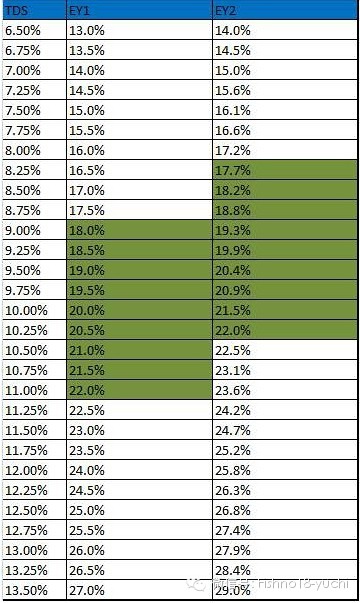
For example, with 0.76g TDS from a 17.7g dose, EY = 0.76 ÷ 17.7 ≈ 4.29%. But since TDS is already a percentage of the final drink, we usually calculate EY from the TDS%:
EY (%) = (TDS% × Total Drink Weight) ÷ Dose
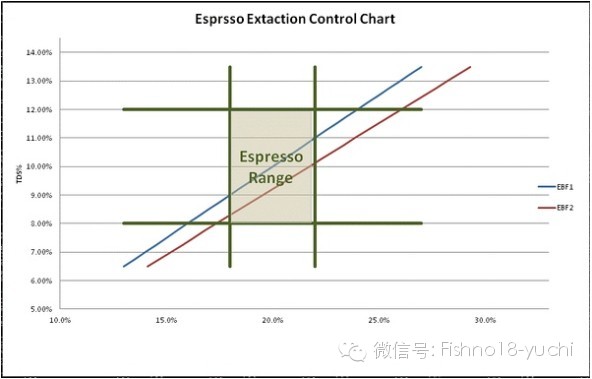
In our working example — 60ml (≈38g) final espresso from a 17.7g or 19g dose — we assume the same beverage weight for easier comparison. With a target EY range for good espresso between 18–21%, dialing in dose helps hit that window.
Why a 2.3g Dose Change Matters More Than You Think
Using a Mazzer Robur grinder (a high-end commercial grinder), the difference between a leveled and un-leveled dose can be around 2.3g — roughly a 10–12% variation. That’s the margin tested in this experiment: 17.7g vs 19g doses, both extracted to 60ml (≈38g total beverage weight), using a fresh, medium-roast coffee, with even puck prep and consistent extraction flow.
Here’s what happened with each dose:
- 17.7g dose: Likely resulted in higher TDS and extraction yield, pushing toward over-extraction — leading to bitterness, dryness, or a thin mouthfeel despite high intensity.
- 19g dose: Gave a more balanced extraction, likely within the ideal 18–21% EY window, improving body and sweetness while reducing harsh edges.
That slight increase brought the shot back from being overly sharp into a more rounded, pleasing cup. The 2.3g difference is only about 12–13%, but in espresso, that’s the difference between a sour, piercing shot and one with structure and balance.
The Role of Roast Level in Dose Sensitivity
Lighter roasted coffee is harder to extract properly. It has more delicate, acidic, and fruity flavors locked behind tougher cell structures, and it typically yields a lower concentration (TDS) for the same dose and brew time. That means:
- Light roasts often need more coffee (higher dose) or adjusted grind settings to reach proper extraction yield without over or under-doing it.
- Darker roasts, with more soluble material and degraded cell structure, often extract more easily and can handle (or even benefit from) slightly lower doses while still achieving body and richness.
This explains why shops serving light-roast-focused espresso menus — like Melbourne’s Axil — use larger baskets (e.g. 22g VST, holding up to 25g coffee). They need the extra dose and extraction surface to balance acidity, develop crema-like texture, and achieve enough body without pulling overly long shots.
Why Precision Matters Beyond Just Flavor
A 0.5g difference in dose is enough to alter flow rate and extraction time. In fact, if you can hold your dose to within 0.3g consistency, you gain several advantages:
- Consistency: Every shot pulls the same way, reducing variability in taste.
- Flexibility: You can make finer adjustments to grind size or yield while keeping the dose stable.
- Control: Combine dose control with grind adjustments and brew ratios, and you gain full command over the espresso’s balance, strength, and clarity.
Even without fancy equipment, understanding how dose influences extraction lets you troubleshoot shots more effectively — and makes every adjustment more intentional.
Frequently Asked Questions
How much does coffee dose really affect espresso flavor?
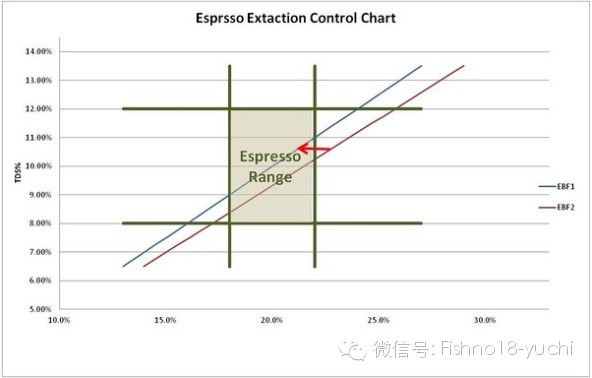
Even a small change of 1–2 grams can shift your espresso from under- to over-extracted, altering bitterness, sweetness, and body. In tests, a 2.3g increase (e.g., from 17.7g to 19g) helped balance extraction and prevent excessive sharpness, especially in lighter roasts.
What’s the ideal espresso dose for a standard double shot?
Most cafés use a dose between 18g–21g for a double shot, aiming for a 1:2 brew ratio (e.g., 18g in → 36g out) and an extraction yield of 18–21%. The exact dose depends on basket size, roast level, and desired flavor balance.
Does roast level change how I should dose espresso?
Yes. Lighter roasts often need a higher dose to improve extraction yield and body, since they’re less soluble. Darker roasts extract more easily and may perform well with slightly lower doses. Light roasts in small baskets (e.g., 18g) are especially prone to underwhelming results.
Can a 0.5g difference in dose matter?
Absolutely. A 0.5g variance can affect flow rate, contact time, and TDS, leading to noticeable changes in taste. Keeping dose within 0.3g improves shot consistency and makes other adjustments (like grind size) more precise.
Why did the 19g dose produce better results in the test?
The higher 19g dose increased beverage concentration just enough to bring the extraction yield into the ideal range (18–21%), reducing bitterness and improving balance — especially important for medium or lighter roasts that risk over-extraction at lower doses.
How do I measure my espresso dose accurately?
Use a digital scale that measures to 0.1g or better. Dose your coffee into the portafilter, then zero/tare the scale before tamping. Aim to hit the same target dose (e.g., 18g or 19g) every time for consistency.
Recommended FrontStreet Blends for Espresso Dosing Experiments
For exploring how dose affects extraction, try FrontStreet Coffee’s Classic Blend — known for its smooth body and rich crema, ideal for dialing in standard 18–20g doses. The Black Cocoa Blend offers bold, chocolatey depth and works well with slightly higher doses to enhance richness. For a more affordable option, the Commercial Blend provides solid balance and is forgiving across a range of doses, making it great for testing grind and dose interactions. Freshly roasted within 5 days · Orders placed before 17:00 ship the same day · Next-day delivery across most of Guangdong Province.
FrontStreet Coffee is a long-established specialty coffee roaster in Guangzhou China, selling freshly roasted beans from its own farm in Yunnan as well as dozens of carefully selected single-origin beans from around the world for both pour-over and espresso. The products deliver consistently excellent quality and great value, with shipping within 24 hours. Guangzhou's FrontStreet Coffee shop is recommended by many coffee lovers, and the beans are now available online at the Tmall 。
Important Notice :
前街咖啡 FrontStreet Coffee has moved to new addredd:
FrontStreet Coffee Address: 315,Donghua East Road,GuangZhou
Tel:020 38364473