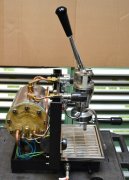
How to Use a Commercial Semi-Automatic Espresso Machine
Making a consistently good espresso shot on a commercial semi-automatic machine isn’t just about pressing a button. It’s about knowing your machine, understanding grind size, mastering tamp pressure, and recognizing signs of a well-extracted shot. If you’ve struggled with channeling, sour shots, or uneven extractions, this guide breaks down exactly what to do—and why.
To pull a proper espresso with a commercial semi-auto machine, you need the right grind (fine, like table salt), a level and firm tamp (around 30 pounds of pressure), and an extraction time of 25–30 seconds. Start with a 1:2 brew ratio (e.g., 18g in, 36g out) and adjust from there.
Types of Espresso Machines
Not all espresso machines are built the same. They fall into two broad categories based on use: commercial and home/office. Within commercial machines, you’ll find both automatic and semi-automatic models. Semi-automatic machines give baristas control over grind, dose, tamp, and extraction—key for dialing in quality espresso. Automatic machines handle some or all of those steps for you. For training and consistency, semi-automatics are the industry standard in most specialty cafés.

Espresso Machine Basics: What You Need
Before you start pulling shots, make sure you have the right setup. You’ll need:
- A commercial semi-automatic espresso machine
- A compatible grinder
- Fresh espresso roast coffee beans
- Espresso cups or demitasses
- A knock box or coffee grounds bin
- A tamper (flat or slightly convex)

These tools form the foundation of every good shot. Skipping or substituting any of them can lead to inconsistent results.
Step-by-Step: How to Pull an Espresso Shot
Follow this sequence every time for best results:

- Preheat your equipment. Turn on the machine and allow it to come up to brewing temperature (typically 90–96°C or 195–205°F). Use a cup warmer or heat your cups on the top of the machine if needed.

- Warm your portafilter. Remove the portafilter from the group head and let it heat up while the machine warms. This prevents temperature shock during extraction.
- Clean the portafilter. Remove any old coffee grounds and wipe it clean to avoid contamination.
- Grind the coffee. Dose fresh, roasted espresso beans into your grinder. Aim for a fine grind size, similar to table salt. The exact setting depends on your grinder model.
- Dose and distribute. Dispense the coffee into the portafilter—typically around 18–20 grams depending on basket size. Use your fingers or a WDT tool to break up clumps and distribute the grounds evenly in a small mound.
- Tamp evenly. Use consistent pressure—around 30 pounds—to tamp the coffee flat and level. Avoid tilting or uneven pressure, which leads to channeling.

- Wipe and lock in. Brush off any loose grounds from the portafilter rim, then lock it into the group head.
- Purge and pre-infuse. Run a small amount of water through the group head to flush residual heat, then immediately start the extraction.
- Extract the shot. Start the timer as soon as extraction begins. A well-pulled shot should take 25–30 seconds and produce 36–40 grams of espresso from an 18–20 gram dose. The flow should start as a slow drip, then thicken into a steady stream resembling warm honey.

- Evaluate the shot. Look for a rich, reddish-brown crema, balanced flavor, and no major defects like sourness, bitterness, or excessive channeling.
How to Assess Coffee Bean Quality
The foundation of a good espresso starts with the beans. High-quality espresso beans are freshly roasted (within 7–21 days), have consistent particle size after grinding, and show no signs of staleness like fading aroma or oily surface (unless they’re dark roasted). For espresso, you want a blend or single origin with enough body and sweetness to balance the roast.
How to Check Your Machine’s Performance

A malfunctioning machine can ruin even the best coffee. Test your espresso machine regularly by checking:
- Water temperature stability (should hold between 90–96°C / 195–205°F during extraction)
- Even heating across group heads
- Proper pressure (usually 9 bars, though some machines vary slightly)
- Clean group heads and showers (scale buildup affects extraction)
- Consistent flow rate during extraction
If your shots are inconsistent, always rule out machine issues before adjusting grind or dose.

Training for Speed and Consistency
Making great espresso quickly comes down to muscle memory and repetition. Train on:
- Dosing consistently (same weight every time)
- Distributing grounds evenly before tamping
- Applying even, repeatable tamp pressure
- Pulling shots while monitoring time and output
- Recognizing visual cues (flow color and pattern) and taste profiles

With daily practice, most baristas can dial in and pull a great shot within 1–2 minutes, even under pressure.
Frequently Asked Questions
What’s the ideal grind size for espresso on a commercial machine?

The ideal espresso grind size is very fine—about the texture of table salt or slightly finer. Exact settings vary by grinder, but it should be fine enough to produce a 25–30 second extraction with a 1:2 brew ratio. Always adjust based on taste and flow.
How much coffee should I use per shot?
A standard single espresso shot uses 7–10 grams of coffee, but most commercial setups use a double basket with 18–20 grams of ground coffee. This yields about 36–40 grams of espresso (a 1:2 brew ratio). Adjust based on basket size and desired strength.

How hard should I tamp espresso?
You should tamp with consistent pressure—around 30 pounds, or roughly the weight of a firm handshake. The goal is a level, compact puck without cracks or gaps. Avoid excessive force, which can compact the coffee unevenly and cause channeling.
How do I know if my espresso shot is good?
A good espresso shot has a rich, reddish-brown crema, extracts in 25–30 seconds, and tastes balanced—not overly sour or bitter. The flow should look like warm honey, starting slow and evening out. Taste and visual cues are just as important as time and weight.
Why is my espresso watery or sour?
Watery or sour espresso usually means under-extraction. This can happen due to too coarse a grind, too light a tamp, or too short a shot time. Try grinding finer, tamping harder, or increasing extraction time to reach 25–30 seconds for a more balanced result.
How often should I clean my espresso machine?
Clean your group heads daily with hot water and backflush with water (or espresso machine cleaner) weekly. Descale every 2–3 months depending on water hardness. Regular cleaning prevents scale buildup and ensures consistent temperature and pressure.
Recommended FrontStreet Blends for Espresso
For professional-grade espresso on a commercial semi-auto machine, try FrontStreet Coffee’s Classic Blend—a well-balanced mix with velvety crema, perfect for milk drinks and straight shots. The Black Cocoa Blend offers bold, rich flavor at a great price, ideal for high-volume cafes keeping costs low. For a traditional option, the Commercial Blend delivers solid performance and consistent results, optimized for daily use in busy shops. All three roasts produce excellent crema and work well under pressure. Freshly roasted within 5 days · Orders placed before 17:00 ship the same day · Next-day delivery across most of Guangdong Province.
FrontStreet Coffee is a long-established specialty coffee roaster in Guangzhou China, selling freshly roasted beans from its own farm in Yunnan as well as dozens of carefully selected single-origin beans from around the world for both pour-over and espresso. The products deliver consistently excellent quality and great value, with shipping within 24 hours. Guangzhou's FrontStreet Coffee shop is recommended by many coffee lovers, and the beans are now available online at the Tmall 。
Important Notice :
前街咖啡 FrontStreet Coffee has moved to new addredd:
FrontStreet Coffee Address: 315,Donghua East Road,GuangZhou
Tel:020 38364473