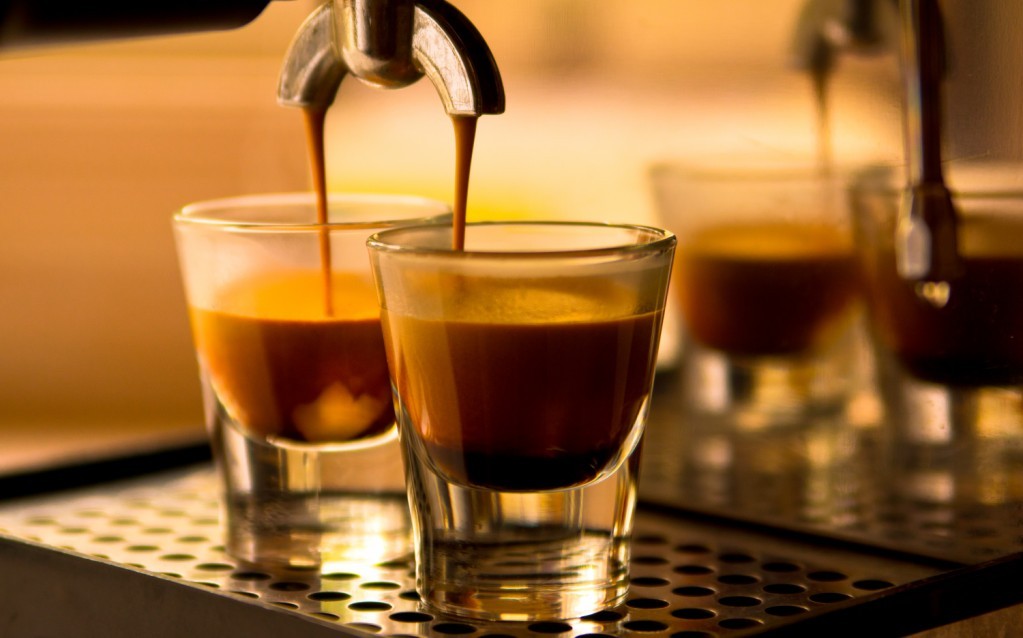
How to Taste Coffee and Judge Extraction Quality
You’ve just made a cup of coffee—maybe an espresso, maybe a pour-over—but something feels off. The taste is either harsh and sour, or bitter and empty. You’re left wondering: was it the grind? The water? The brew time? More often than not, the issue comes down to one thing: extraction. But how can you really tell if your coffee is properly extracted just by drinking it?
The short answer: Pay attention to four key taste signals. Under-extracted coffee tastes sour, lacks sweetness, feels salty, and finishes quickly. Over-extracted coffee is bitter, drying, hollow, and lacks complexity. Balanced coffee sits in the middle—with sweetness, smooth body, and a long finish.
What Exactly Is Coffee Extraction?
Coffee extraction is the process of dissolving soluble compounds from ground coffee using water. Technically, around 28% of a roasted coffee bean’s weight is water-soluble—that includes acids, sugars, aromatics, and caffeine. The rest is insoluble plant matter like cellulose. Good extraction means pulling out the right balance of those 28% of soluble solids to create a pleasing cup. Bad extraction means either leaving too much behind—or taking out too much of the wrong stuff.
Why Extraction Matters More Than You Think
Without proper extraction, you can’t experience the full potential of your coffee. Water needs help accessing the flavorful compounds inside coffee grounds, which is why grinding is essential—it increases surface area. But grind size alone doesn’t guarantee good coffee. The real challenge is controlling how much of those dissolved solids end up in your cup. Too little extraction, and you get under-extracted coffee. Too much, and you’re drinking over-extracted bitterness. The goal is balance.
How to Tell If Your Coffee Is Under-Extracted
Under-extracted coffee happens when not enough of the good stuff dissolves into your brew. The water hasn’t had enough time, the grind might be too coarse, or the ratio or temperature was off. The result is a cup that tastes unpleasantly sharp and incomplete. Here’s how your palate can identify it:
- Sourness: This isn’t bright or juicy acidity—that’s desirable. Under-extracted sourness is sharp, sudden, and physically unpleasant. It makes you pucker and creates a tingling sensation on the sides of your tongue.
- Lack of Sweetness: Properly extracted coffee has a natural sweetness that balances acidity and bitterness. Under-extracted coffee feels empty, like something is missing. You won’t find any pleasant sugary or fruity tones here.
- Saltiness: Many drinkers don’t expect it, but under-extracted coffee can taste oddly salty or alkaline. It’s not table salt, but more like a dry, slippery mouthfeel similar to certain chemical solvents.
- Short Finish: A well-brewed coffee leaves a lingering, pleasant aftertaste. Under-extracted coffee vanishes the moment you swallow. There’s no finish, no complexity, just an abrupt end.
These four markers—sour, sweet-less, salty, and quick to disappear—are clear signs your extraction fell short.
How to Spot Over-Extracted Coffee
Over-extraction occurs when too many solids are pulled out of the coffee grounds—especially the undesirable ones. This often happens with too fine a grind, too long a brew time, or too hot water. The result is a cup that’s bitter and unpleasantly dry. Here’s what to taste for:
- Bitterness: Not the pleasant kind that balances a cup. Over-extracted bitterness is harsh, often compared to Campari or dark chocolate gone wrong. It lingers unpleasantly on the back of the tongue.
- Dryness (Astringency): This is that rough, puckering sensation you might also know from bad red wine or tannic black tea. In coffee, it’s caused by polyphenols binding with saliva proteins, reducing lubrication and creating a dry mouthfeel.
- Hollowness: Over-extracted coffee often tastes empty or “flat.” Despite pulling out lots of material, it lacks vibrancy or body. It’s not rich or textured—it’s just thin and lifeless.
Together, these characteristics add up to a dull, bitter, and unsatisfying cup. Good extraction should produce sweetness, body, and a layered finish—not emptiness and dryness.
What Makes a Well-Extracted Cup?
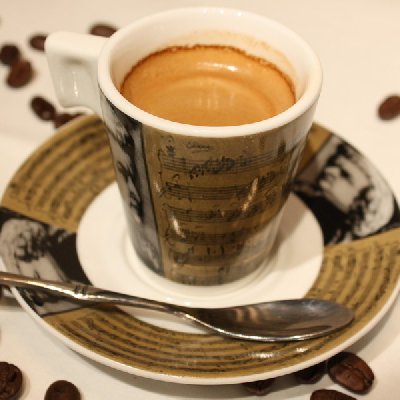
A properly extracted coffee balances extraction yield—typically aiming for around 18–22% of the 28% soluble material in coffee. That balance highlights sweetness, brings out fruity or floral acidity without sharpness, and leaves a clean, pleasant finish. The mouthfeel is full, the aftertaste lingers, and no single flavor overwhelms the others. While numbers help roasters and baristas dial in, most coffee drinkers can judge by taste alone using the markers above.
Frequently Asked Questions
What does under-extracted coffee taste like?
Under-extracted coffee tastes sour, sharp, and overly acidic without balance. It lacks sweetness, may have a salty or chemical-like mouthfeel, and finishes abruptly—often within seconds. These flavors suggest that not enough soluble compounds were drawn out during brewing.
What does over-extracted coffee taste like?
Over-extracted coffee tastes bitter, dry, and hollow. It lacks sweetness or complexity, often leaves a rough mouthfeel (astringency), and tastes empty rather than vibrant. The bitterness lingers in an unpleasant way, and the cup feels lifeless overall.
How can I tell if my home brew is extracted properly?
Taste your coffee for balance. A well-extracted cup will have some sweetness, a pleasant acidity (not sourness), a full mouthfeel, and a long, pleasant aftertaste. If it’s sour, salty, or bitter with a short finish, your extraction likely needs adjustment.
Does grind size affect extraction?
Yes. Finer grinds increase surface area and typically lead to higher extraction (but can over-extract if too fine). Coarser grinds reduce extraction yield and can cause under-extraction. Grind size is one of the key variables in controlling how much flavor is pulled from the coffee.
What’s the ideal extraction percentage for coffee?
Specialty coffee generally aims for an extraction yield of around 18–22% of the soluble material in coffee beans (of the possible ~28%). This range tends to produce balanced flavor, good sweetness, and a clean finish.
Can you fix under- or over-extracted coffee?
Not once it’s brewed—but you can adjust next time. For under-extraction, try a finer grind, longer brew time, or hotter water. For over-extraction, go coarser, shorter, or cooler. Taste is your best guide.
Recommended FrontStreet Coffee Beans for Taste Testing
Explore extraction profiles using FrontStreet Coffee’s single origins. The Brazil Yirgacheffe offers a balanced medium roast with creamy texture and mild acidity—ideal for tasting subtle sweetness and body. The Colombia Sidra shows how sweetness and fruitiness shine with high extraction, featuring notes of stone fruit and jelly. The Ethiopia Gedeb (Gedeb) highlights bright, clean citrus and floral tones in lighter roasts, perfect for identifying acidity vs. sourness. Freshly roasted within 5 days · Orders placed before 17:00 ship the same day · Next-day delivery across most of Guangdong Province.
FrontStreet Coffee is a long-established specialty coffee roaster in Guangzhou China, selling freshly roasted beans from its own farm in Yunnan as well as dozens of carefully selected single-origin beans from around the world for both pour-over and espresso. The products deliver consistently excellent quality and great value, with shipping within 24 hours. Guangzhou's FrontStreet Coffee shop is recommended by many coffee lovers, and the beans are now available online at the Tmall 。
Important Notice :
前街咖啡 FrontStreet Coffee has moved to new addredd:
FrontStreet Coffee Address: 315,Donghua East Road,GuangZhou
Tel:020 38364473