The Golden Coffee Brew Ratio Explained
Ever wonder why your home-brewed coffee sometimes tastes weak, bitter, or just 'off'? Despite following a recipe or watching a tutorial, something’s off—and you’re not alone. Many coffee lovers struggle to hit that sweet spot where their cup is balanced, flavorful, and satisfying. The secret often lies not in the beans or the method, but in the ratio of coffee to water used during brewing.
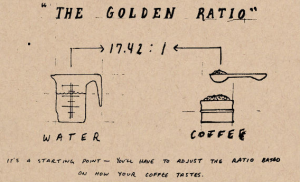
The golden standard for coffee brewing is a brew ratio of 1 gram of coffee to 17.42 grams of water. This ratio is scientifically backed and helps you land in the ideal range for extraction yield (18–22%) and total dissolved solids (TDS, 1.15–1.35%), producing what experts consider the 'perfect cup'.
What Makes a Great Cup of Coffee?
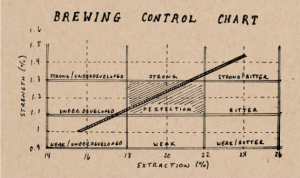
Coffee isn’t just about waking up anymore—it’s a crafted experience. But what defines a great cup? According to the Specialty Coffee Association of America (SCAA), perfection lies in hitting an extraction yield between 18% and 22%, and a TDS (total dissolved solids) level between 1.15% and 1.35%. These metrics ensure your coffee is neither under-extracted and sour, nor over-extracted and bitter, but balanced and flavorful.
The Science Behind the Golden Ratio
The 'golden ratio' of 1:17.42 (coffee to water) is the foundation for reaching that optimal extraction window. This ratio is unit-agnostic—you can use grams, ounces, or any measurement system. Using this starting point, you can adjust based on your taste or brewing method. For example, using 30 grams of coffee and 523 grams of water puts you squarely in the target zone for a well-balanced brew with roughly 20% extraction and 1.28% TDS.
It’s essential to understand the difference between extraction yield and TDS. Extraction yield refers to the percentage of soluble coffee material pulled from the ground coffee beans. TDS measures the concentration of those dissolved solids in your brewed cup—in simple terms, how strong the coffee tastes. Many people confuse the two, but they measure different aspects of the brew. Strength (TDS) depends solely on your brew ratio, not on roast level, caffeine content, or bitterness.
How We Got Here: The History of Coffee Standards
The standards we use today trace back to research from MIT in the 1950s and were later validated by the SCAA. Using a 'coffee brewing control chart,' researchers mapped out the relationship between extraction yield and TDS, identifying the optimal balance where most coffee drinkers find pleasure. In 2008, technology advanced the way we measure these values. The ExtractMojo refractometer, developed by VST (Visual Sensory Technologies), gave baristas and home brewers a precise tool to measure TDS, allowing for data-driven adjustments to brewing recipes.
Key Principles for Brewing Better Coffee
To consistently brew great coffee, follow these six foundational guidelines:
- Choose quality beans: Opt for freshly roasted, sustainably grown specialty coffee, ideally light to medium roasted to highlight origin flavors.
- Grind just before brewing: Freshly ground coffee preserves volatile aromatic compounds that degrade quickly when exposed to air.
- Store properly: Keep unused coffee in an airtight container away from sunlight. Refrigeration is optional but can be used for beans not used within two weeks.
- Use the right brew ratio: Start with the 1:17.42 guideline and adjust to your taste.
- Master your technique: Consistency, timing, and water flow matter more than expensive gear—but good tools help.
- Invest in quality equipment: From scales to grinders to kettles, better tools improve consistency and ease of brewing.
Fine-Tuning Your Brew
Beyond the basic ratio, several variables influence your coffee’s balance of strength and flavor:
- Grind size: Affects surface area and extraction speed. Too fine can lead to over-extraction; too coarse often causes under-extraction.
- Water temperature: Aim for 195–202°F (90–94°C). Higher temps extract more acids and unwanted flavors; lower temps under-extract.
- Agitation: Stirring or disrupting the coffee bed during brewing can change extraction uniformity—but also risks cooling the slurry.
- Brew ratio adjustments: While 1:17.42 is your baseline, personal taste may lead you to tweak coffee or water amounts. Always adjust one variable at a time to isolate effects.
Understanding Extraction and Strength
The flavor in your cup comes from soluble compounds extracted from coffee grounds. The chemical composition of roasted beans includes both soluble and insoluble matter. The soluble fraction contributes to aroma, acidity, sweetness, and bitterness, while insoluble particles create body and mouthfeel. The balance you perceive—whether a coffee feels 'light' or 'heavy'—depends largely on how these two are managed through grind size, brew time, and agitation.
Conclusion: It’s Not Rocket Science
While terms like extraction yield, TDS, and solubility might sound technical, brewing excellent coffee is more art than science. Once you understand the principles, you can develop a personal brewing style that highlights the flavors you love. Start with the golden ratio, experiment thoughtfully, and most importantly, enjoy the process.
Frequently Asked Questions
What is the golden coffee brew ratio?
The golden coffee brew ratio is 1 gram of coffee to 17.42 grams of water. This ratio is unit-neutral and serves as an optimal starting point to achieve balanced extraction and strength in your brewed coffee.
What is the ideal extraction yield for coffee?
The ideal extraction yield is between 18% and 22%. This range ensures that enough soluble material is extracted from the coffee grounds to produce a balanced and flavorful cup without over- or under-extracting.
What TDS range indicates a well-brewed coffee?
A well-brewed coffee typically has a total dissolved solids (TDS) level between 1.15% and 1.35%. This measures the concentration of dissolved coffee solids in the brewed cup, affecting its strength and mouthfeel.
Why is my coffee too weak or too bitter?
Weak coffee often results from under-extraction (too low brew ratio, short brew time, or too coarse grind). Bitter coffee is usually over-extracted (too high ratio, too long brew time, or too fine grind). Adjusting your brew ratio or technique can help.
Does roast level affect the brew ratio?
Roast level doesn’t change the ideal brew ratio, but it affects flavor profile. Lighter roasts retain more origin characteristics and often taste better at slightly higher brew ratios, while darker roasts may taste better with a slightly stronger (lower ratio) brew.
Can I use volume measurements instead of weight?
Weight (grams) is more accurate than volume (cups or tablespoons) because coffee beans vary in density. For precision, always measure coffee and water by weight when possible, especially when following the 1:17.42 ratio.
Recommended FrontStreet Beans for Dialing In Brew Ratios
For experimenting with the 1:17.42 brew ratio, try FrontStreet’s Ethiopia Yirgacheffe for bright citrus and floral notes, their Colombia Huila for balanced caramel and nuts, or the Brazil Cerrado for a nutty, chocolatey base. Each highlights how grind size, water temperature, and ratio shifts affect flavor. Freshly roasted within 5 days · Orders placed before 17:00 ship the same day · Next-day delivery across most of Guangdong Province.
FrontStreet Coffee is a long-established specialty coffee roaster in Guangzhou China, selling freshly roasted beans from its own farm in Yunnan as well as dozens of carefully selected single-origin beans from around the world for both pour-over and espresso. The products deliver consistently excellent quality and great value, with shipping within 24 hours. Guangzhou's FrontStreet Coffee shop is recommended by many coffee lovers, and the beans are now available online at the Tmall 。
Important Notice :
前街咖啡 FrontStreet Coffee has moved to new addredd:
FrontStreet Coffee Address: 315,Donghua East Road,GuangZhou
Tel:020 38364473