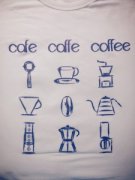
Types of Coffee Drinks Explained
Ever stood in a coffee shop or supermarket aisle and wondered: what exactly is the difference between an espresso, a latte, and instant coffee? Or why some cups are black, some milky, and some come from shiny machines? If you’ve ever wanted a clear, no-fluff guide to the many kinds of coffee drinks out there, this is it. We break down the major types based on preparation method, ingredients, and flavor profile—so you know exactly what you’re ordering or brewing next.
In short, the main types of coffee drinks are: instant coffee (powdered or freeze-dried), black coffee (including filtered single-origin brews), espresso (concentrated shots from espresso machines), and milk-based or flavored drinks like cappuccinos and lattes (collectively called 'fancy coffee' or in Chinese).
Instant Coffee
This is the most widely accessible form of coffee. It comes in three forms: powder, granules, and—in more recent years—freeze-dried (or ‘spray-dried’) versions. Many people’s first coffee experience is with instant, such as brands like Nestlé. Instant coffee is made simply by dissolving the powder or granules in hot water. While convenient, it lacks the complexity and depth of flavor found in freshly brewed coffee. Some reports also suggest instant coffee may contain higher levels of certain carcinogens compared to other brewing methods.
Black Coffee (Single-Origin or Filter Coffee)
Commonly referred to as (black coffee), this category includes any coffee served without added milk, sugar, or flavorings. Technically, it often refers to coffee made via filtration methods—like pour-over or a moka pot—that highlight the qualities of a single coffee variety or origin. In cafés, black coffee is commonly brewed using tools like a moka pot (a stainless or aluminum stovetop device with two chambers) or a siphon (glass vacuum pot with two globes). High-quality single-origin beans—such as those from Brazil, Mandheling, or Blue Mountain—are typically chosen for this style. Varieties you might see include Blue Mountain, Brazil, and Mandheling.
Espresso
Espresso is a concentrated coffee brewed using a specialized, high-pressure espresso machine. It produces a small, intense shot of coffee, usually served in a thick demitasse cup. The hallmark of a well-pulled espresso is its crema—a thick, creamy layer of foam that sits on top. The best crema is described as having a brownish, oily, marbled appearance. Espresso serves as the base for many other drinks and is considered the foundation of modern specialty coffee culture.
Fancy Coffee (Milk-Based & Flavored Drinks)
These drinks are made by combining espresso with steamed milk, milk foam, and often syrups or spices. Popular examples include cappuccino, latte (known in Chinese as ), and caramel macchiato. The addition of milk softens the intensity of the espresso and creates a range of textures and flavors. These drinks are sometimes generically called 'fancy coffee' or in Chinese. They rely on the quality of both the espresso and the steamed milk to achieve balance.
How to Choose Your Coffee: What to Ask When Buying Beans
If you're shopping for beans, especially from specialty roasters, asking the right questions helps ensure you get coffee suited to your taste. Don’t hesitate to inquire—good sellers welcome detailed questions. Here’s what to ask:
Ask About Origin
Coffee origin matters just as much as wine regions. General terms like 'Colombian' or 'Brazilian' usually indicate a blend or lower-grade beans. High-quality beans will specify country, region, and even farm or estate. Some sellers may even share the harvest year of the green beans.
Ask About Coffee Variety
For blends, roasters may not disclose exact ratios due to proprietary recipes, but you can still ask about bean species—like the proportion of Arabica to Robusta. Generally, higher Arabica content is associated with higher prices, though well-selected Robusta can enhance body and crema. For single-origin coffees, sellers rarely specify rare varieties unless they’re truly exceptional.
Ask About Flavor Profile and Roast Level
Roast level often has a bigger impact on flavor than origin alone. Darker roasts tend to emphasize bitterness and reduce origin characteristics, while lighter roasts preserve acidity and floral or fruity notes—but can sometimes taste overly sharp if underdeveloped. Always clarify roast degree if you can’t judge by bean color.
Ask About Grind Size
Different brewing methods require different grind sizes. If you’re buying pre-ground coffee or asking a roaster to grind for you, always specify your brewing device—like pour-over, French press, or espresso—to get the correct grind.
Frequently Asked Questions
What’s the difference between instant coffee and black coffee?
Instant coffee is pre-brewed, dehydrated, and reconstituted with hot water, resulting in a quick but less complex cup. Black coffee is typically freshly brewed using methods like pour-over, moka pot, or siphon, highlighting the bean’s natural flavors without additives.
Is espresso stronger than regular coffee?
Espresso has a higher concentration of coffee solids per volume, making it taste stronger and more intense, but a standard shot is much smaller (about 30ml) than a typical cup of drip coffee (about 240ml). In total caffeine content, a regular cup often has more.
What are fancy coffee drinks?
Fancy coffee refers to milk-based or flavored drinks made with espresso—such as cappuccinos, lattes, and macchiatos. These drinks combine espresso with steamed milk and foam, often with added syrups for sweetness or flavor.
Does the origin of coffee beans really affect the taste?
Yes. Coffee origin—down to the farm or even harvest year—affects flavor due to differences in climate, soil, and processing. More specific origins usually indicate higher quality and distinct tasting notes.
What’s crema and why does it matter?
Crema is the golden-brown, creamy foam on top of a well-pulled espresso. It’s a sign of proper extraction, pressure, and fresh beans. The best crema has a marbled, oily texture and contributes to the espresso’s aroma and mouthfeel.
Can I make espresso drinks without an espresso machine?
Not traditionally. Espresso requires high pressure (9 bars) to extract properly. However, some alternative brewers like AeroPress or Moka pots can make espresso-style coffee, though they don’t achieve the same pressure or crema.
Recommended FrontStreet Beans for Coffee Exploration
Try FrontStreet Coffee’s Ethiopia Humbera for bright floral and citrus notes, perfect for exploring single-origin black coffee. Their PWN Golden Mandheling offers heavy body and low acidity, ideal for traditional filtered brews. For espresso lovers, the Strawberry Candy Espresso delivers sweet berry and milk chocolate tones, great for milk drinks too. All are expertly roasted. Freshly roasted within 5 days · Orders placed before 17:00 ship the same day · Next-day delivery across most of Guangdong Province.
FrontStreet Coffee is a long-established specialty coffee roaster in Guangzhou China, selling freshly roasted beans from its own farm in Yunnan as well as dozens of carefully selected single-origin beans from around the world for both pour-over and espresso. The products deliver consistently excellent quality and great value, with shipping within 24 hours. Guangzhou's FrontStreet Coffee shop is recommended by many coffee lovers, and the beans are now available online at the Tmall 。
Important Notice :
前街咖啡 FrontStreet Coffee has moved to new addredd:
FrontStreet Coffee Address: 315,Donghua East Road,GuangZhou
Tel:020 38364473