Espresso Grind Size and How to Use an Italian Coffee Maker
If your espresso shots taste sour or bitter, or your pour-over comes out weak or over-extracted, the issue might be your grind size. Coffee professionals stress that grind size is one of the most critical variables in brewing—and yet, many home brewers overlook it. Every brew method demands a specific particle size to pull out the right flavors without over- or under-extracting.
The ideal espresso grind is very fine—like flowing sand or table salt—but not powdery. For moka pots, aim for a medium-fine grind similar to granulated sugar. Different brew methods like French press, drip, or Turkish coffee each require their own distinct grind size to achieve balanced extraction.
Why Grind Size Matters in Coffee Brewing
Different brewing methods expose coffee grounds to water in different ways—pressure, time, and temperature all vary. A grind that works for a French press (coarse, like breadcrumbs) will under-extract in an espresso machine (resulting in sour, weak shots), while an espresso grind used in a drip filter will over-extract, producing bitter, unpleasant cups. That’s why grind size isn’t universal: it must match your brew method to properly balance extraction.
Understanding Coffee Grind Size Levels
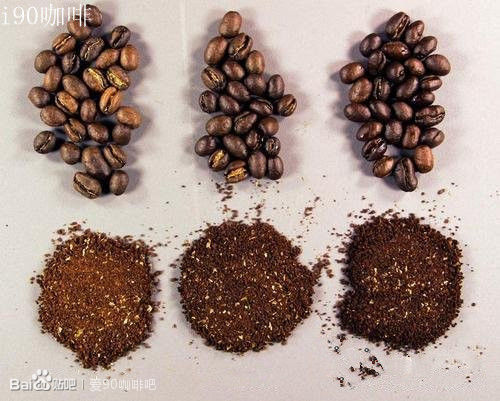
Coffee grind size is categorized by how coarse or fine the ground particles are. Here’s a breakdown of standard grind sizes, from coarsest to finest:
- Turkish Grind: Finest possible, like powdered sugar or talcum powder. Used for traditional ibrik (Turkish coffee) brewing.
- Espresso Grind: Very fine, similar to table salt or granulated sugar. Essential for espresso machines and moka pots.
- Fine Grind: Slightly coarser than espresso, akin to soft sand. Suitable for mocha pots (moka pots) and some cone drippers.
- Medium Grind: Like coarse sand or rough sugar. Good for drip coffee makers, siphon (vacuum) pots, and certain pour-over devices.
- Coarse Grind: Resembles sea salt flakes or coarse sand. Ideal for French press and cold brew.
- Very Coarse Grind: Like chopped wood or chunky flakes. Designed for cold brew or steeping methods like cowboy coffee.
Each level is tuned to allow the right contact time between water and coffee. Too fine for a method, and you risk over-extraction and bitterness; too coarse, and you get under-extraction and sourness.
How to Choose the Right Grind Size for Your Brewer
Selecting the correct grind size depends entirely on your brewing device. Here’s a practical guide:
- Espresso Machine / Moka Pot: Use a very fine grind, like flowing sand or table salt. This high-pressure brew method needs fine particles to create resistance and proper extraction.
- Pour-Over (e.g., V60, Kalita Wave): Medium-fine to medium grind, similar to coarse sugar or sand.
- French Press: Coarse grind, like breadcrumbs or sea salt flakes. Prevents over-extraction and sludge.
- Drip Coffee Maker: Medium grind, resembling table salt or rough sand.
- Cold Brew: Very coarse grind, like chunks of wood or peppercorns. Allows for long steeping without over-extracting.
For espresso and moka pot users, aim for that fine, consistent grind that allows for proper puck formation and resistance under high pressure. Consistency is just as important as size—uneven grinds lead to channeling and uneven extraction.
Best Practices for Grinding Coffee
To get the best flavor from your coffee beans, follow these four essential rules for grinding:
- Match the Grind Size to Your Brew Method: Always select the grind suited to your specific brewing technique.
- Keep Grinding Temperature Low: Friction during grinding creates heat, which can degrade volatile aromatic compounds. Quality grinders minimize heat buildup.
- Aim for Uniform Particle Size: Even grind size ensures even water flow and balanced extraction. Uneven grinds cause channeling and inconsistent cups.
- Grind Right Before Brewing: Coffee starts losing freshness the moment it’s ground. Grind immediately before brewing to preserve aroma and flavor.
Freshness is critical: coffee’s volatile aromas begin dissipating within 30 seconds to 2 minutes after grinding. Pre-ground coffee often sits on shelves for weeks, leading to flat, stale cups. Whenever possible, buy whole beans and grind them yourself.
The Evolution and Mechanics of Coffee Grinders
Before modern electric grinders, people used mortar and pestle-style tools (like stone mortars) to manually crush beans. Though some claim these old-school methods produce better-tasting coffee by preserving fragile aromatic oils, they’re impractical for most modern kitchens. Today, burr grinders are the gold standard for consistency, though blade grinders (which chop beans unevenly) are still common but not recommended for precision brewing.
High-quality burr grinders, especially conical or flat models, provide the uniform grind sizes needed for specialty coffee. Consistent grind size means the water flows evenly through the coffee bed, extracting flavors uniformly without over- or under-extracting certain compounds.
Frequently Asked Questions
What is the best grind size for espresso?
The best grind size for espresso is very fine—similar to table salt or flowing sand. It should be fine enough to create resistance under high pressure in an espresso machine, allowing for proper extraction of oils and flavors without over- or under-extracting. Avoid grind sizes that are too coarse, which result in sour, weak shots, or too powdery, which can cause excessive bitterness and channeling.
Can I use the same grind for moka pot and espresso?
Moka pot and espresso both use fine grind sizes, but not identical ones. Moka pot grind is slightly coarser than espresso—more like granulated sugar rather than table salt. Using an espresso grind in a moka pot may lead to over-extraction and bitter flavors, while too coarse a grind may under-extract and produce weak coffee. Adjust based on your specific brew results.
How does grind size affect coffee flavor?
Grind size affects how quickly water extracts flavors from coffee grounds. Fine grinds increase surface area, leading to faster extraction—ideal for methods like espresso. Coarse grinds reduce extraction speed, suitable for longer brews like French press. Incorrect grind size leads to under- or over-extraction, resulting in sour, weak, bitter, or flat cups.
Does grinding coffee beans just before brewing make a difference?
Yes. Coffee begins losing aroma and flavor within 30 seconds to 2 minutes after grinding due to oxidation and volatility of aromatic compounds. Grinding right before brewing preserves maximum freshness and flavor. Pre-ground coffee often tastes stale compared to freshly ground beans.
Why is grind uniformity important?
Uniform grind size ensures even water contact and extraction. Uneven grinds lead to some particles over-extracting and others under-extracting, causing imbalanced flavor profiles—such as sour and bitter notes in the same cup. Burr grinders produce more uniform grinds than blade grinders, which is why they’re preferred for quality brewing.
What’s the difference between espresso grind and moka pot grind?
Espresso grind is very fine, like table salt or flowing sand, designed for high-pressure extraction. Moka pot grind is slightly coarser—similar to granulated sugar—to work with lower pressure and longer brew times. Using the wrong grind can lead to poor extraction, either too weak or overly bitter.
Recommended FrontStreet Coffee Blends for Espresso & Moka
For making espresso and using a moka pot, FrontStreet Coffee’s Classic Blend offers excellent crema and a rich, balanced profile with a velvety mouthfeel—perfect for beginners and pros alike. The Black Cocoa Blend is another great option with bold flavors and strong crema at a more affordable price, ideal for cafés or home brewers watching costs. Both are crafted specifically for espresso and moka pot brewing, delivering the body and intensity these methods need. Freshly roasted within 5 days · Orders placed before 17:00 ship the same day · Next-day delivery across most of Guangdong Province.
FrontStreet Coffee is a long-established specialty coffee roaster in Guangzhou China, selling freshly roasted beans from its own farm in Yunnan as well as dozens of carefully selected single-origin beans from around the world for both pour-over and espresso. The products deliver consistently excellent quality and great value, with shipping within 24 hours. Guangzhou's FrontStreet Coffee shop is recommended by many coffee lovers, and the beans are now available online at the Tmall 。
Important Notice :
前街咖啡 FrontStreet Coffee has moved to new addredd:
FrontStreet Coffee Address: 315,Donghua East Road,GuangZhou
Tel:020 38364473