Arabica vs Robusta: Key Differences and Prices Explained
If you’ve ever wondered why some espresso shots taste bold and bitter while others are bright and nuanced, the answer often comes down to one simple choice: Arabica or Robusta. These are the two primary coffee species consumed worldwide, and they differ in everything from growing conditions to flavor, caffeine levels, and market price. But what does that mean for your daily cup—or your espresso blend?
Robusta contains more than twice the caffeine of Arabica—typically over 2.7% compared to 1.2–1.5%—and is often considered lower quality. However, high-grade Robusta plays a vital role in premium espresso blends. Arabica, meanwhile, dominates the specialty market but isn’t inherently better; quality depends on origin, variety, and processing.
What Are Arabica and Robusta?
Arabica (Coffea arabica) and Robusta (Coffea canephora) are the two most widely grown coffee species. Arabica accounts for roughly 60–70% of global coffee production and is prized in specialty coffee for its acidity, complexity, and aromatic range. Robusta makes up the remaining 30–40%, known for its strong bitterness, higher caffeine content, and heavier body.
Though both are used commercially, they serve very different roles. Arabica is the foundation of most single-origin offerings and lighter roasted pour-overs, while Robusta is essential in traditional Italian espresso blends, especially for enhancing crema and body.
Growing Conditions and Plant Traits
Robusta is significantly hardier than Arabica. It can be grown at lower altitudes—typically between sea level and 800 meters—and thrives in warmer, more humid climates with greater resistance to pests and diseases. Its shorter maturation period and higher yield per plant make it more economical for mass production.
Arabica, on the other hand, requires higher altitudes—generally between 800 and 2,200 meters—and cooler temperatures, ideally between 15°C and 24°C. It is more vulnerable to pests like coffee leaf rust and needs well-drained, fertile soils. The slower growth and stricter climate needs make Arabica more challenging and expensive to cultivate.
Most Arabica is now grown in Latin America, with significant production also in East Africa and parts of Asia. Ethiopia and Colombia are renowned for their high-quality Arabica. Robusta is predominantly cultivated in the Eastern Hemisphere: Vietnam is the world’s largest Robusta producer, followed by Indonesia and India. Brazil also grows both species, while Colombia produces Arabica exclusively.
Flavor, Caffeine, and Physical Differences
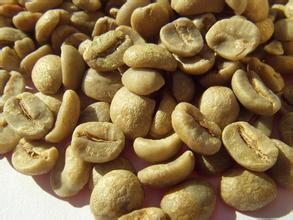
Arabica beans are typically larger, oval-shaped, and have a smoother, more complex flavor profile. They often exhibit notes of fruit, flowers, berries, and acidity, with a lighter to medium body. The species is celebrated for its balance and terroir-driven characteristics.

Robusta beans are smaller, rounder, and usually have a harsher, more bitter taste. They feature earthy, woody, or nutty flavors with a heavier body and virtually no acidity. While often dismissed in specialty circles, well-grown Robusta can contribute strength and texture to espresso blends.
Caffeine content is one of the clearest distinctions: Robusta contains 2.7–4.0% caffeine, roughly double the 1.2–1.5% found in Arabica. This higher caffeine acts as a natural pesticide, contributing to Robusta’s disease resistance. Chlorogenic acid levels also differ, affecting bitterness and antioxidant content.
On average, Robusta beans are also more affordable. Most instant and commercial-grade coffees are made from Robusta. While premium Arabica beans can command high prices—especially single-origin lots from Ethiopia or Panama—the species itself doesn’t guarantee quality. Poorly processed or low-altitude Arabica can be mediocre, just as carefully grown Robusta can be excellent.
Why Robusta Matters in Espresso Blends
High-quality Robusta is highly valued by roasters for its contribution to espresso. When expertly blended, it adds body, crema, and a rounded bitterness that balances brighter Arabicas. In traditional Italian espresso recipes, Robusta is often blended with Brazilian or other Latin American Arabicas to achieve the desired richness and intensity.
This is particularly relevant for classic espresso styles where thick crema and a bold mouthfeel are essential. The stimulant effect is also greater due to the higher caffeine content, which contributes to Robusta’s longstanding popularity in certain markets.
Frequently Asked Questions
What’s the main difference between Arabica and Robusta coffee?
The main differences are caffeine content, flavor, growing conditions, and price. Robusta has about twice the caffeine (2.7–4.0%) of Arabica (1.2–1.5%), making it more bitter and bitter-tasting. Arabica offers more complex acidity, fruity and floral notes, and is generally considered higher quality in specialty coffee. Robusta is heartier, easier to grow at lower altitudes, and more disease-resistant, but often used in commercial or espresso blends for body and crema.
Which coffee species is more expensive, Arabica or Robusta?

Arabica is typically more expensive than Robusta due to its slower growth, higher cultivation costs, and greater demand in specialty markets. However, not all Arabica is high quality—some low-grade Arabica can be cheap. Most instant coffee and budget blends are made with Robusta, which is cheaper to produce.
Where is Arabica coffee mainly grown?
Arabica is grown primarily in Latin America (like Colombia and Brazil), East Africa (such as Ethiopia and Kenya), and parts of Asia (including Yemen and India). Colombia produces only Arabica, while Ethiopia is known for some of the most sought-after Arabica varieties in specialty coffee. It thrives at higher altitudes, typically between 800 and 2,200 meters.
Where is Robusta coffee grown?
Robusta is mainly grown in the Eastern Hemisphere, especially in Vietnam (the world’s largest producer), Indonesia, India, and parts of Africa. Brazil also cultivates Robusta alongside Arabica. It grows well at lower altitudes, often below 800 meters, and in hotter, more humid climates with fewer disease pressures.
Does Robusta have a role in specialty coffee?
Yes, especially in espresso blends. High-quality Robusta can enhance crema, add body, and provide a balanced bitterness. While Robusta is often dismissed in specialty circles, expertly sourced and roasted Robusta contributes positively to certain espresso profiles, particularly traditional Italian-style shots.
Why is Arabica considered higher quality than Robusta?
Arabica is often considered higher quality due to its more complex flavor profile, including acidity, fruitiness, and floral notes. It’s grown at higher altitudes with stricter climate requirements, which contributes to its refined taste. However, quality ultimately depends on factors like origin, processing, and roast level—not just species. Some Robusta can be excellent, and poor-quality Arabica can be disappointing.
Recommended FrontStreet Beans for Arabica Lovers
For those exploring high-quality Arabica, start with FrontStreet’s washed Yirgacheffe from the Gedeb cooperative: it delivers bright citrus, floral notes, and grape-like acidity. The Jamaica Blue Mountain No.1 (Typica) offers a balanced, creamy profile with almond and chocolate notes, ideal for filter brewing. For something more exotic, try the Strawberry Candy Espresso—a Geisha-based blend with ripe stone fruit, honey, and floral complexity. All are expertly roasted and showcase the diversity of top-tier Arabica. Freshly roasted within 5 days · Orders placed before 17:00 ship the same day · Next-day delivery across most of Guangdong Province.
FrontStreet Coffee is a long-established specialty coffee roaster in Guangzhou China, selling freshly roasted beans from its own farm in Yunnan as well as dozens of carefully selected single-origin beans from around the world for both pour-over and espresso. The products deliver consistently excellent quality and great value, with shipping within 24 hours. Guangzhou's FrontStreet Coffee shop is recommended by many coffee lovers, and the beans are now available online at the Tmall 。
Important Notice :
前街咖啡 FrontStreet Coffee has moved to new addredd:
FrontStreet Coffee Address: 315,Donghua East Road,GuangZhou
Tel:020 38364473