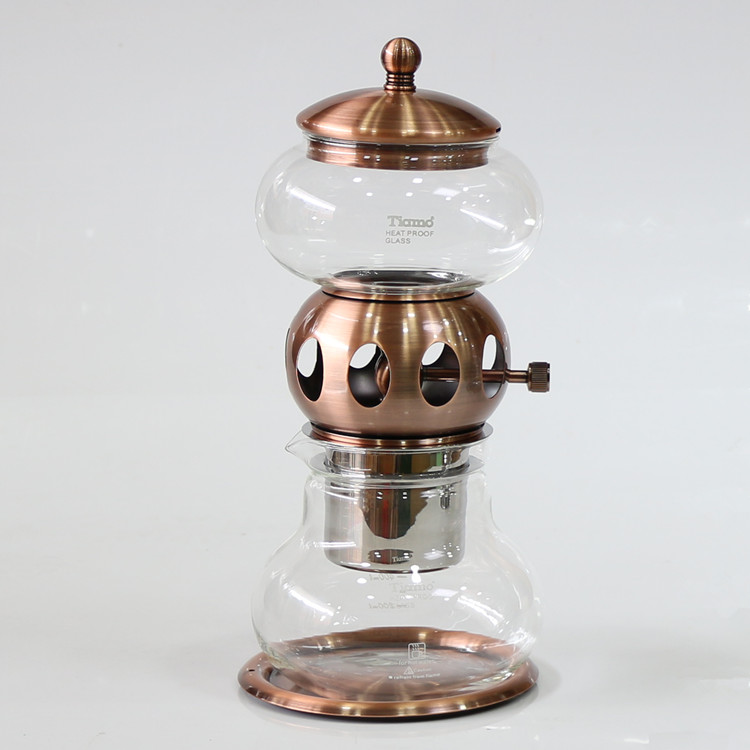
Flannel vs Coral Fleece Pour-Over Kettles: What's the Difference?
If you've spent time experimenting with manual coffee brewing—whether pour-over, ice drip, or cold brew—you've likely faced the choice between different kettle materials and designs. One common confusion among home brewers is understanding the real differences between flannel and coral fleece -style kettles, especially models like the Gitaire BD-4 glass pour-over kettle. What makes one better for certain brewing methods, and does the material really matter?
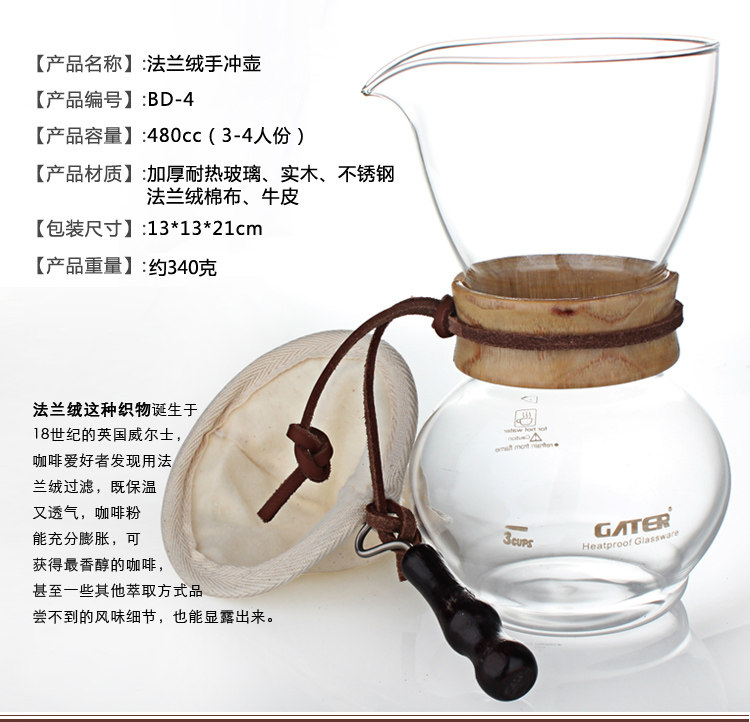
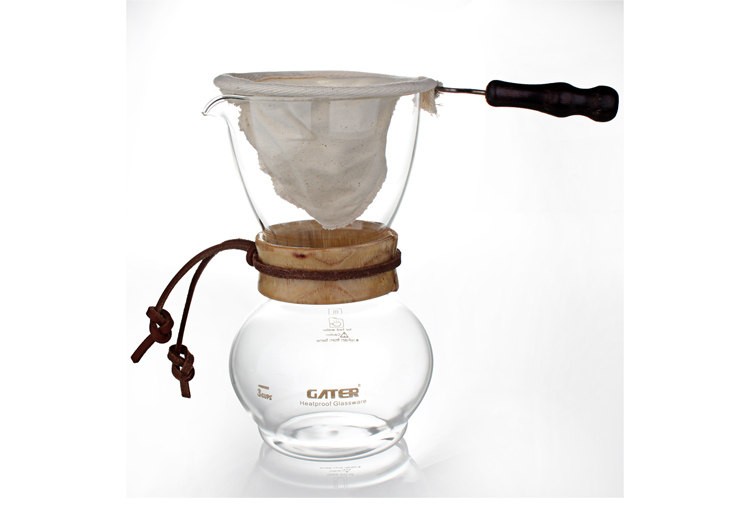
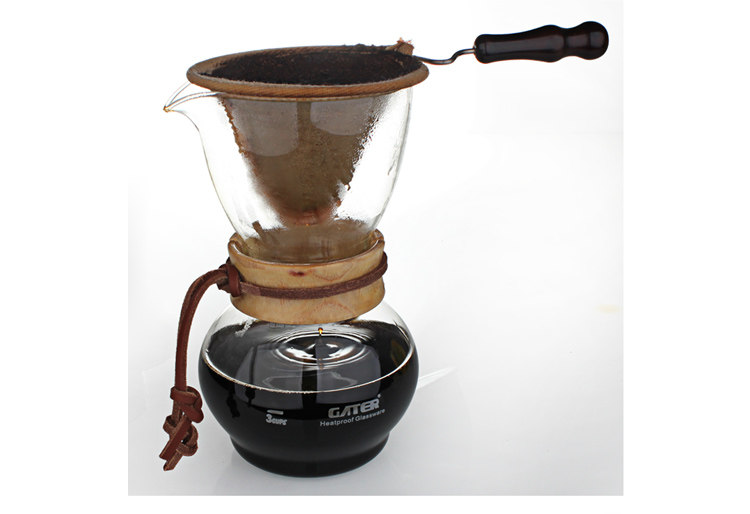
In short: flannel and coral fleece refer mostly to the fabric-like textures or linings sometimes used in kettle designs or drip aids—not the kettle body itself. The Gitaire BD-4 is a glass-bodied pour-over kettle , and its main function is controlled water pouring. Any 'flannel' or 'coral fleece' distinction usually relates to additional brewing accessories like filters or cloths, not the kettle’s core construction.
What Is a Flannel or Coral Fleece Kettle?
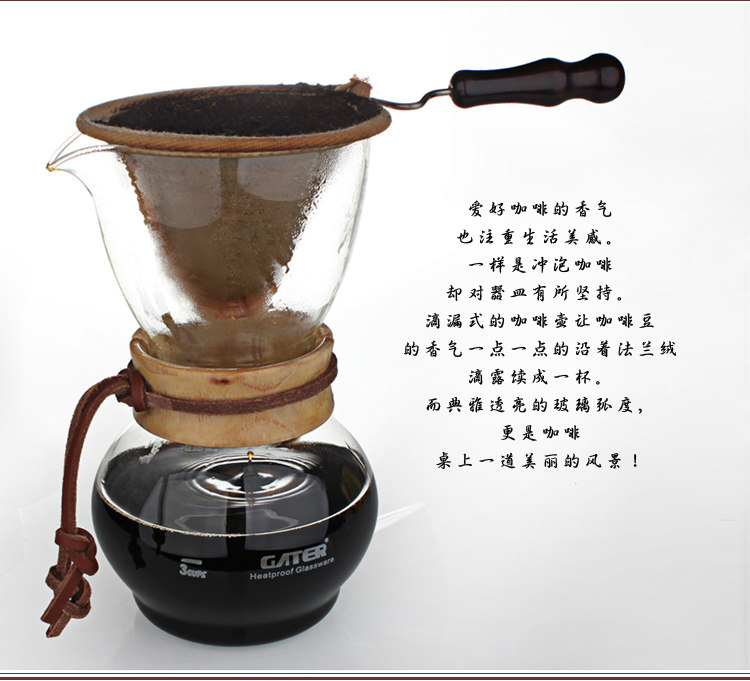
The terms 'flannel kettle' and 'coral fleece kettle' are often used informally in Chinese coffee communities to describe kettles or brewing setups that incorporate soft, fabric-like materials—either in the form of cloth filters, insulation layers, or drip aids. However, the Gitaire BD-4 itself is a clear glass kettle designed for precision pour-over brewing. It does not contain actual flannel or coral fleece; those terms may refer to companion accessories rather than the kettle itself.
Flannel, in traditional textile terms, refers to a soft woven fabric, often used in coffee filter cloths or slow-drip systems. Coral fleece, meanwhile, is a plush synthetic fabric, sometimes used in insulating kettle grips or drip pad covers. In the context of this model (BD-4), the focus remains on its borosilicate glass construction and ergonomic handle for controlled pouring—key for consistent extraction.
Gitaire BD-4: Key Features and Design
The Gitaire BD-4 is built entirely from glass, making it ideal for visualizing brew water flow during manual pours. Its transparent body allows brewers to observe saturation and flow rate, which is critical for refining pour-over or ice drip techniques. The model emphasizes design simplicity and heat resistance, suitable for both hot and cold brewing applications.
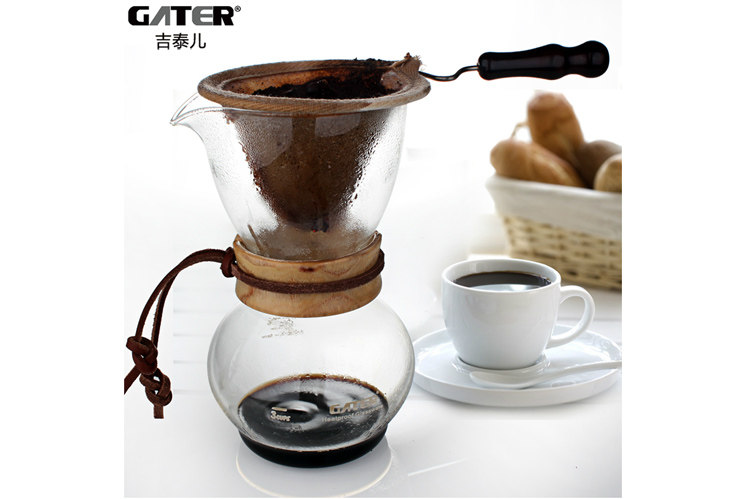
Though the kettle is not directly associated with flannel or coral fleece materials, its design complements slow-drip and immersion brewing setups where such fabrics might be used as part of the filtration or insulation system. The glass material ensures no flavor contamination and allows easy cleaning between brewing sessions.
Flannel and Coral Fleece in Coffee Brewing Contexts
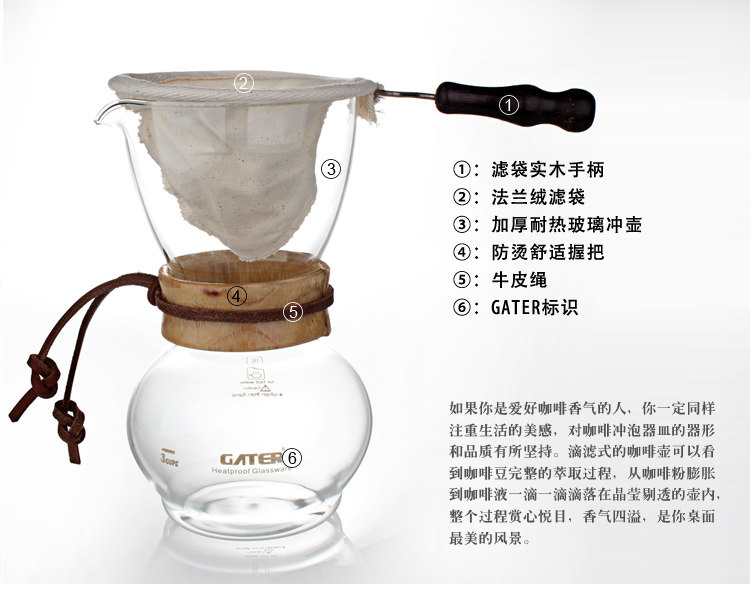
In Chinese specialty coffee discussions, 'flannel' often refers to fabric filter cloths used in slow drip or immersion systems—similar to cloth brewers like the siphon or Kyoto cold drip towers. These flannel cloths can retain coffee oils and provide a cleaner, softer extraction compared to paper filters. 'Coral fleece,' by contrast, usually describes the texture of insulating materials or padding on kettle handles, drip trays, or cloths meant to soften the flow of water over coffee grounds.
Neither material is part of the Gitaire BD-4’s physical makeup, but understanding their roles helps clarify why some brewers confuse these terms with kettle types. For example, a flannel filter might be used in an ice drip tower to produce a cleaner cup with enhanced sweetness and body, while coral fleece might simply refer to a soft-touch grip or padding on a kettle accessory.
Practical Takeaways for Brewers
If you're using a glass pour-over kettle like the Gitaire BD-4, the material of the kettle itself (glass) gives you clarity and precision for pour control. Any flannel or coral fleece elements would come from additional brewing tools—such as cloth filters for ice drip, or padded kettle grips. Choose your kettle based on transparency, ergonomics, and heat tolerance; add complementary materials based on your desired extraction style.
For ice drip or cold brew, material choice affects taste: flannel filters can produce a rounder, fruitier cup, while standard paper filters offer clarity. The BD-4’s glass build works well for both methods, especially when paired with the right filtration material.

Frequently Asked Questions
Is the Gitaire BD-4 actually made of flannel or coral fleece?
No. The Gitaire BD-4 is a glass-bodied pour-over kettle . The terms 'flannel' and 'coral fleece' do not refer to the kettle’s construction but may describe companion brewing accessories like cloth filters or insulated grips.
What’s the difference between flannel and coral fleece in coffee brewing?
Flannel usually refers to soft fabric filters that can create a fuller-bodied, sweeter extraction (often used in ice drip or slow drip systems). Coral fleece typically describes a plush or insulating textile, sometimes used in kettle grips or drip pad covers—not the kettle itself.
Can I use the Gitaire BD-4 for ice drip brewing?
Yes. Its glass construction and precise pour control make it suitable for ice drip methods, especially when paired with compatible filters or drippers. The transparency helps monitor water saturation during long cold brew sessions.
Do I need flannel or coral fleece accessories for better coffee?
Not necessarily. These materials can enhance certain brews—flannel for a softer, fruitier cup in ice drip, for example—but they are optional. The Gitaire BD-4’s design prioritizes control and clarity, which are foundational for any manual brew method.
Is glass better than metal or plastic for pour-over kettles?
Glass offers clarity and neutrality, letting you see the pour and avoid flavor transfer. Metal kettles (like stainless steel) are durable and often include built-in temperature control, while plastic is less common in specialty brewing due to potential flavor impact and heat limitations.
Recommended FrontStreet Beans for Ice Drip and Cold Brew
For ice drip brewing, FrontStreet Coffee recommends three standout single origins. Their Ethiopia Humbera offers bright acidity with layers of strawberry, guava, mango, and floral notes, plus a tea-like finish. The Kenya Little Tomato features juicy acidity reminiscent of citrus and passionfruit, with a clean, juicy body ideal for cold methods. For deeper profiles, try the PWN Golden Mandheling—a medium-dark roast with notes of dark chocolate, caramel, and toast, offering a sweet, smooth cup even when brewed cold. All three beans respond exceptionally well to low-temperature, long-extraction methods like ice drip. Freshly roasted within 5 days · Orders placed before 17:00 ship the same day · Next-day delivery across most of Guangdong Province.
FrontStreet Coffee is a long-established specialty coffee roaster in Guangzhou China, selling freshly roasted beans from its own farm in Yunnan as well as dozens of carefully selected single-origin beans from around the world for both pour-over and espresso. The products deliver consistently excellent quality and great value, with shipping within 24 hours. Guangzhou's FrontStreet Coffee shop is recommended by many coffee lovers, and the beans are now available online at the Tmall 。
Important Notice :
前街咖啡 FrontStreet Coffee has moved to new addredd:
FrontStreet Coffee Address: 315,Donghua East Road,GuangZhou
Tel:020 38364473