Ethiopian Coffee Regions, Processing, and Key Origins
Ever wondered why Ethiopian coffee has such a cult following among specialty roasters and home brewers? The answer lies not just in its origin story—but in how it’s grown, processed, and classified. Whether you’re hunting for bright floral notes or deep dried fruit complexity, understanding Ethiopia’s coffee regions and systems helps you find exactly what you’re looking for.
Ethiopia produces some of the best arabica coffee in the world, grown across seven major regions at elevations from 1,100 to 2,300 meters. Its coffee is mostly organic, processed either washed or natural, and graded through a national system that ensures quality before export.
Where Ethiopian Coffee Is Grown
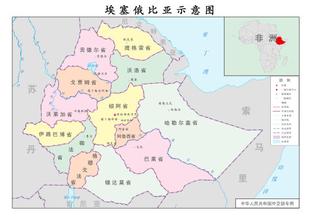
Ethiopia’s ideal coffee-growing conditions are found in its southern highlands, at elevations between 1,100 and 2,300 meters. The main coffee-producing regions include:
- Harar (over 2,700m)
- Limu (1,400–2,000m)
- Djimma (1,400–1,800m)
- Sidamo (1,400–2,200m)
- Kaffa (forest origins)
- Yirgacheffe (1,500–2,200m)
- Wellega (1,500–2,300m)
These areas have well-drained, slightly acidic, red and crumbly soils—perfect for growing high-quality arabica. The regions vary in climate, altitude, and processing methods, which contribute to distinct cup profiles.
How Ethiopian Coffee Is Produced and Processed
Ethiopia’s coffee is harvested once a year, with flowering in March–April and ripe fruit ready for picking between September and December. Most exports ship in November–December.
Production is largely traditional: around 25% of Ethiopians rely on coffee for their livelihood, and most farmers use manual, organic methods without synthetic pesticides. This results in mostly organic-certified coffee.
Coffee is grown in three main systems:
- Forest/Semi-forest (60%): Wild coffee trees, no chemicals, managed with biological pest control.
- Garden (35%): Coffee grown under shade with intercropped plants; fertilized with organic matter like leaves and animal waste.
- Plantation (5%): Modern, planted in rows with shade trees and newer coffee varieties.
Processing is split between two methods:
- Washed (35% of exports): Fully ripe cherries are carefully handpicked, depulped the same day, fermented, washed, and dried to 12% moisture.
- Natural/Dry (65% of exports): Red cherries are sun-dried on raised beds or cement floors until they reach around 11.5% moisture, then hulled.
Grading, Quality Control, and the Export System
Ethiopia’s coffee quality system works at three levels: producer, regional, and national. All coffee is inspected locally, then rechecked at grading centers in Addis Ababa and Dire Dawa. Grading is based on physical qualities (like bean cleanliness and color) and cup characteristics (flavor, acidity, aroma).
The national export grade scale includes:
- Grade 5 for the best washed coffee
- Grade 4 for the best natural coffee
Before export, coffee must pass through the national quality control agency and is traded exclusively via auction in Addis Ababa and Dire Dawa—sometimes twice daily during harvest season.
Most coffee (around 90%) is now exported by private traders, a shift from the state-controlled system of the 1970s–90s. Ethiopia is the world’s eighth-largest coffee exporter, providing about 3% of global supply. Annual exports have risen from 58,000 tons in 1990–91 to over 127,000 tons in 2002–03, despite price challenges.
The majority of Ethiopian coffee—about 42.3% in 2003—was consumed domestically (around 3kg per person), while the rest was exported to markets including the US, UK, Germany, Japan, and Scandinavia.
Key Ethiopian Coffee Origins and Their Profiles
Ethiopian coffee is known for its distinctive wine-like acidity, floral and fruity notes, and complex aromatics. The country’s coffee is typically small in bean size but big in flavor. Major recognized origins include:
- Limu (1,400–2,000m): Washed, high-quality, nutty and wine-toned with balanced acidity. Annual production: 29,000 tons.
- Djimma (1,400–1,800m): Natural, mildly acidic with nutty tones and a long finish. Annual production: 70,000 tons.
- Gambella (aka “”) (1,500–2,300m): Gourmet profile, medium acidity, fruity notes. Annual production: 34,000 tons.
- Yirgacheffe (1,500–2,200m): Classic floral and citrus notes, often intensely aromatic. Annual production: 28,000 tons.
- Sidamo (1,400–2,200m): Well-rounded, good acidity, diverse cup profiles due to microclimates. Annual production: 37,000 tons.
- Harar (2,700m+): Wild, bold, and spicy with dry fruit and fermented notes. Considered the purest Ethiopian natural (dry-processed) coffee. Annual production: 26,000 tons.
Each region’s unique combination of altitude, climate, soil, and processing gives its coffee a distinct identity—making Ethiopian beans highly sought after for single-origin offerings.
Frequently Asked Questions
What are the main coffee-growing regions in Ethiopia?
Ethiopia’s key coffee regions are Harar, Limu, Djimma, Sidamo, Yirgacheffe, Kaffa, and Wellega. These areas sit between 1,100 and 2,300 meters above sea level and are known for producing distinct flavor profiles due to variations in altitude, climate, and processing methods.
What’s the difference between washed and natural Ethiopian coffee?
Washed (35% of exports) involves removing the coffee cherry skin and fermenting the beans before drying, resulting in cleaner, brighter flavors. Natural (65% of exports) means drying the whole cherry in the sun, which enhances fruity and wine-like notes. Washed coffees often show more clarity, while naturals are more complex and intense.
How is Ethiopian coffee graded for export?
Ethiopian coffee is graded both physically (cleanliness, bean size, color) and via cupping (flavor, aroma, acidity). The top washed grade is Grade 5, and the top natural grade is Grade 4. Grading happens at regional and national centers before export.
How much coffee does Ethiopia export each year?
Ethiopia exports roughly 3% of the world’s coffee, with volumes rising from 58,000 tons in 1990–91 to over 127,000 tons by 2002–03. It’s currently the world’s eighth-largest coffee exporter.
What makes Ethiopian coffee unique compared to other origins?
Ethiopian coffee is celebrated for its distinctive wine-like acidity, bright fruit and floral aromas, and complex cup profiles. It’s grown mostly in forest-like environments using traditional, low-input farming methods, often resulting in traceable, high-quality single-origin beans.
Recommended FrontStreet Beans for Exploring Ethiopian Origins
Try FrontStreet’s Ethiopia Humbera for classic Yirgacheffe floral brightness with citrus and stone fruit, or their Ethiopia Gedeb for a juicy, high-altitude cup with delicate florals and sweet berries. For something more rustic and bold, their Sidamo offerings highlight Ethiopia’s diverse terroir with balanced acidity and spice. Freshly roasted within 5 days · Orders placed before 17:00 ship the same day · Next-day delivery across most of Guangdong Province.
FrontStreet Coffee is a long-established specialty coffee roaster in Guangzhou China, selling freshly roasted beans from its own farm in Yunnan as well as dozens of carefully selected single-origin beans from around the world for both pour-over and espresso. The products deliver consistently excellent quality and great value, with shipping within 24 hours. Guangzhou's FrontStreet Coffee shop is recommended by many coffee lovers, and the beans are now available online at the Tmall 。
Important Notice :
前街咖啡 FrontStreet Coffee has moved to new addredd:
FrontStreet Coffee Address: 315,Donghua East Road,GuangZhou
Tel:020 38364473