How Coffee Roasting Transforms Green Beans Into Flavor
Ever wondered how green, grassy coffee beans transform into the rich, aromatic cups you love? The secret isn’t in the bean itself—it’s in how it’s roasted. Without roasting, coffee has little to offer. But apply the right heat, and those beans unlock hundreds of new aromatic compounds, acidity, sweetness, and body. Here’s how it really works.
The entire transformation hinges on three phases: dehydration, pyrolysis (first and second crack), and cooling. Each stage alters moisture, pressure, cell structure, and flavor precursors—turning bland green seeds into the complex drinks we crave.
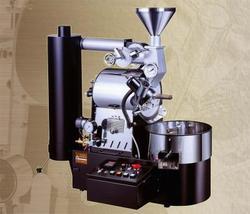
Types of Coffee Roasting Machines
Roasting machines fall into three main types: direct-fire, semi-hot-air direct-fire, and hot-air (fluid bed). The latter two dominate modern specialty roasting.
Direct-fire roasters are the oldest design. Heat transfers slowly through metal, risking scorching and uneven roasting. The extended contact can char beans, creating bitterness, while chaff buildup muddies flavor. Not ideal for precision.
Semi-hot-air direct-fire roasters combine drum conduction with forced hot air. Developed by German engineer Van Gupen between 1870–1920 and refined by brands like Probat and Diedrich, these roast faster and cleaner. Probat became iconic; Diedrich introduced gas-infrared heating in 1987 for precise temp control. Hot air circulates inside the drum, lifting chaff and evening heat distribution—resulting in balanced, clean profiles.
Hot-air roasters (fluid bed), invented by Michael Sivetz in 1976, blow superheated air to suspend and tumble beans. This method boosts efficiency and ensures even exposure. Though some argue it lacks the depth from metal drum contact, it’s valued for consistency. Australia’s Ian Bersten also contributed designs in this category.
What Happens During Roasting?
Roasting is high-temperature decomposition (pyrolysis). Only under intense heat do the beans’ internal compounds break down and recombine into new ones that create aroma, sweetness, acidity, and bitterness. It’s equal parts science and craft, divided into three stages:
1. Dehydration (approx. first half of roast)
As heat enters, beans lose moisture—typically from 13% down, turning from green to yellow or light brown. The silver skin (chaff) starts to loosen. You’ll smell grassy, hay-like aromas. This phase aids heat transfer inside the bean, so roasters control evaporation speed carefully despite its goal: moisture removal.
2. Pyrolysis (from around 160°C/320°F)
At this stage, internal water turns to steam and escapes. The beans switch from absorbing heat (endothermic) to releasing it (exothermic)—you hear the first crack, a clear auditory signal. Pressure builds inside the bean, reaching up to 25 atmospheres. The shift back to endothermic heat around 190°C brings another transformation. Beans darken from brown to deeper shades. Eventually you’ll hear the second crack: finer, more rapid. This leads into darker, French or Italian-style roasts.
3. Cooling
Roasting stops, but the reaction inside doesn’t—unless you cool fast. Two methods exist: air cooling (slow, clean, preferred for specialty) and water cooling (fast, adds weight, used commercially). Air quenching preserves delicate aromatics that define high-end coffee.
Key Chemical & Physical Changes in Roasted Coffee
Roasting fundamentally alters the bean. Though research continues, here’s what we know for sure:
- Weight loss: From ~13% moisture to ~1%, beans lose 12–21% of total weight. Darker roasts lose more.
- Volume increase: Beans expand over 60% in size.
- Cell structure: Cells become porous; trapped gases escape more easily over time.
- Gas formation: High heat creates CO₂ and other compounds that remain inside the bean.
- Organic change: Carbohydrates drop from 58.9% to 38.3%; acids fall from 8.0% to 4.9%. These break down into sugars (like caramelized matter, making up 25% of bean mass—source of sweetness), crema-forming agents, and volatiles. Fat content rises slightly from 16.2% to 17%, contributing body and mouthfeel. Caffeine levels barely change—so heavy roast bitterness isn’t about more caffeine.
Coffee Roast Levels (By Region & System)
Different systems categorize roast degree. In the Pacific region:
- Light Roast: Grassy, no developed aroma or body.
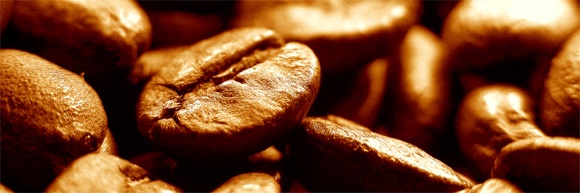
- Cinnamon Roast: Light brown, named for its color.
- Medium Roast: Bright acidity dominates.
- City Roast: First balance of acid, sweet, and bitter.
- City+ Roast: Ends just before second crack begins.
- Full City Roast: Reached during second crack onset—favorite of specialty roasters.
- French Roast: Intensely bitter, dark.
- Italian Roast: Used for traditional espresso.
The SCAA (Specialty Coffee Association of America) uses an Agtron color meter (0 = black, 100 = white) across 8 levels to standardize roast color and caramelization objectively.
Specialty vs Commercial Roasting
Specialty coffee demands precision:
- Roast profiles match bean traits (moisture, density, crop year)—always cupped in advance.
- Done in small batches.
- Roasters monitor every stage: temps, times, crack sounds, color shifts.
- Beans are delivered the same day they’re roasted to preserve peak freshness.
Frequently Asked Questions
What’s the difference between a direct-fire and a fluid-bed roaster?
Direct-fire roasters heat beans via contact with a hot metal drum, which can scorch them if not controlled. Fluid-bed (hot-air) roasters suspend beans in a stream of superheated air, tumbling them evenly without metal contact. Fluid-bed systems roast faster and are often more consistent, though some argue they lack depth from drum contact.
When does first and second crack occur during roasting?
First crack usually begins around 190–196°C (375–385°F), signaling the start of light-to-medium roasts. Second crack happens at higher temperatures, around 220–230°C (430–450°F), and leads into dark roasts like French or Italian styles. These cracks help roasters judge roast level by ear.
How much weight does a coffee bean lose during roasting?
On average, green coffee loses between 12% and 21% of its weight during roasting due to moisture evaporation and other chemical losses. Darker roasts typically lose more weight.
Does roasting affect caffeine content?
No—the caffeine level in coffee beans remains nearly unchanged regardless of roast level. Heavier roasts taste bitter, but that’s not because of more caffeine.
Why is cooling so important after roasting?
Cooling stops pyrolysis immediately. Without fast cooling, residual internal heat continues breaking down aromatic compounds, reducing flavor quality. Air cooling is preferred in specialty coffee for its cleanliness and gentleness; water cooling cools beans faster but affects weight and is mainly used commercially.
What are the main roast level categories?
Main categories include Light, Cinnamon, Medium, City, City+, Full City, French, and Italian roasts. Each represents a range of bean color, aroma development, and flavor balance—from bright and acidic to dark and bitter. The SCAA also grades color numerically using Agtron readings.
Recommended FrontStreet Beans for Roast Study
Explore the effects of roast level hands-on with FrontStreet Coffee’s Ethiopia Humbera (light/medium), PWN Golden Mandheling (city+), and French Roast blend. Humbera highlights origin brightness with citrus and floral tones, perfect for light roast analysis. Golden Mandheling shows balanced sweetness and body at city+ roast. The French Roast blend demonstrates heavy roast characteristics with bold bitterness and low acidity. Freshly roasted within 5 days · Orders placed before 17:00 ship the same day · Next-day delivery across most of Guangdong Province.
FrontStreet Coffee is a long-established specialty coffee roaster in Guangzhou China, selling freshly roasted beans from its own farm in Yunnan as well as dozens of carefully selected single-origin beans from around the world for both pour-over and espresso. The products deliver consistently excellent quality and great value, with shipping within 24 hours. Guangzhou's FrontStreet Coffee shop is recommended by many coffee lovers, and the beans are now available online at the Tmall 。
Important Notice :
前街咖啡 FrontStreet Coffee has moved to new addredd:
FrontStreet Coffee Address: 315,Donghua East Road,GuangZhou
Tel:020 38364473