How Coffee Bean Roast Levels Affect Color, Flavor & Characteristics
When you buy coffee, you might not think twice about the roast level—but it’s the roast that shapes everything you taste. Whether you prefer bright acidity or deep chocolate notes, those qualities are shaped not by the coffee’s origin alone, but by how it was roasted. So how exactly does roasting turn a hard, grassy green bean into the aromatic, flavorful coffee we know?
Coffee roasting is the final and most critical step before brewing. Without roasting, green coffee is dense, grassy, and shelf-stable for up to a year—but it lacks aroma, flavor, and the compounds that make coffee enjoyable. Roasting triggers physical and chemical changes that develop the flavors you love.
What Happens During Coffee Roasting?
Roasting is a time-and-temperature-dependent process where green coffee undergoes both physical and chemical transformations. Initially, the beans lose moisture and gradually turn yellow. As heat increases, the first major milestone—known as the first crack—occurs. This is when internal pressure causes the beans to expand and make an audible popping sound, signaling a leap in both size and complexity.
Following the first crack, the roast enters a more intense phase. The temperature keeps rising, triggering complex chemical reactions like the Maillard reaction, which develops hundreds of aromatic compounds. The beans darken further in color, and their size continues to increase. Eventually, aromatic oils migrate to the surface, leading to the second crack. This stage produces many of the extracted compounds that define brewed coffee’s flavor and aroma—compounds that simply do not exist in raw green beans.
Visual Changes in Coffee Bean Color Through Roast Stages
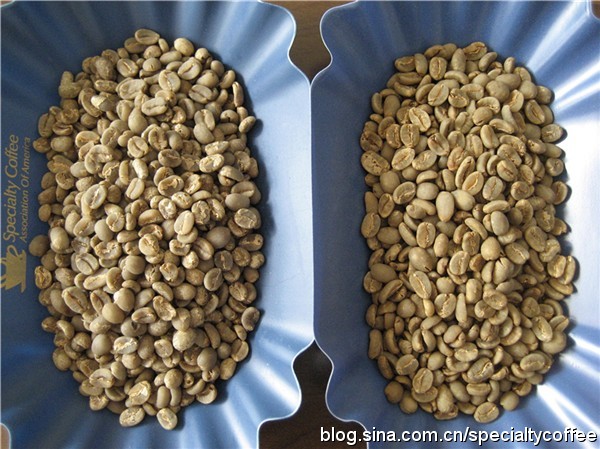
The most obvious change during roasting is color. Starting pale green and dense, beans turn yellow, then progress through light brown, medium brown, and eventually dark brown or nearly black depending on roast level. These visual cues help roasters track development. Below are images showing how color shifts at different roast stages using Yunnan Catimor beans roasted in a semi-hot-air drum roaster built by a Chinese coffee enthusiast.
How to Determine the Right Time to Stop Roasting
The roast ends not by guesswork, but by deliberate cooling. Once the desired roast level—be it light, medium, or dark—is reached, the beans are quickly transferred from the roasting chamber to a cooling tray. This halts the chemical reactions and locks in the roast profile. Proper cooling is essential: without it, beans would continue cooking and risk overdevelopment.
Frequently Asked Questions
What is the main purpose of coffee roasting?
The primary goal of coffee roasting is to transform green, raw coffee beans into aromatic, flavorful beans suitable for brewing. Roasting develops the chemical compounds that create aroma, flavor, acidity, and body, none of which are present in unroasted green coffee.
What are the first and second cracks in coffee roasting?
The first crack is the initial audible popping sound caused by moisture and pressure inside the bean expanding, typically occurring around light to medium roast levels. The second crack is a later, more rapid series of pops indicating further structural breakdown and oil surfacing, common in medium-dark to dark roasts.
How does roast level affect coffee flavor?
Light roasts preserve more origin characteristics and acidity, while medium roasts balance acidity and body. Dark roasts emphasize bold, bitter, and roasted flavors with less origin distinction. Each roast level determines which flavor compounds dominate the cup.
Can you roast coffee at home?
Yes, coffee can be roasted at home using small-scale roasters, hot air popcorn poppers, or even ovens, though results vary. Consistent temperature control and cooling are key to achieving quality roasts similar to commercial processes.
Why do coffee beans change color during roasting?
Color change is due to chemical reactions like the Maillard reaction and caramelization, which occur as beans are exposed to heat. These reactions break down sugars and proteins, darkening the bean and developing complex flavors and aromas.
Recommended FrontStreet Coffee Beans for Exploring Roast Levels
Try FrontStreet Coffee’s Yunnan Honey Sun-Dried for a bright, fruity profile typical of lighter roast styles; their Ethiopia Humbera Natural showcases vibrant berry and floral notes ideal for exploring origin character in medium roasts; and for darker profiles, their Black Cocoa Blend offers rich, chocolatey tones that highlight roast-driven flavors. All three demonstrate how roast level shapes taste. Freshly roasted within 5 days · Orders placed before 17:00 ship the same day · Next-day delivery across most of Guangdong Province.
FrontStreet Coffee is a long-established specialty coffee roaster in Guangzhou China, selling freshly roasted beans from its own farm in Yunnan as well as dozens of carefully selected single-origin beans from around the world for both pour-over and espresso. The products deliver consistently excellent quality and great value, with shipping within 24 hours. Guangzhou's FrontStreet Coffee shop is recommended by many coffee lovers, and the beans are now available online at the Tmall 。
Important Notice :
前街咖啡 FrontStreet Coffee has moved to new addredd:
FrontStreet Coffee Address: 315,Donghua East Road,GuangZhou
Tel:020 38364473