How Bloom and Pre-Infusion Affect Pour-Over and Espresso Extraction
If your pour-over tastes sour or flat, or your espresso lacks clarity and body, the issue might start before the first sip. Many home brewers focus intensely on grind size, water temperature, or pour technique—but overlook the crucial first stage that sets everything up. What happens in those first few seconds dramatically shapes the final cup.
The key to better coffee starts with getting bloom (for pour-over) and pre-infusion (for espresso) just right. Aim for a 30-second bloom with 83–90°C water, and keep espresso pre-infusion between 93–95°C under stable pump pressure. These steps create the uniform extraction foundation your coffee needs.
What Is Bloom and Why Does It Matter in Pour-Over?
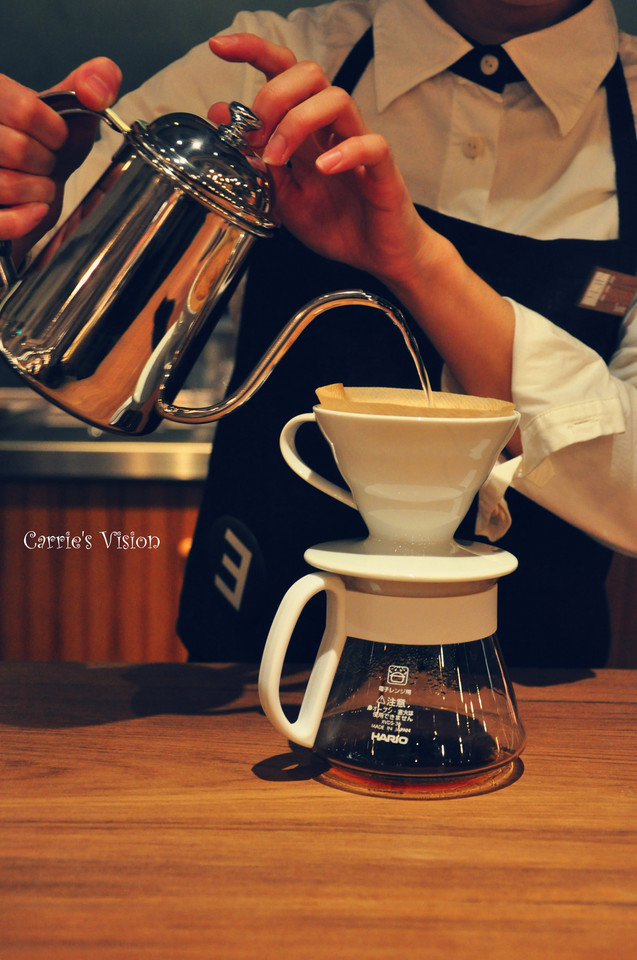
Bloom refers to the first wetting stage in pour-over brewing, where hot water is gently and evenly poured over freshly ground coffee. This causes the coffee grounds to “activate,” visibly expanding upwards as trapped CO₂ escapes. The upward movement creates tiny air pockets among the particles, forming an even filtration layer. That structure is critical: it allows water to flow uniformly through the coffee bed, extracting solubles evenly.
Without a good bloom, water channels through unevenly—either flooding some areas or bypassing others—which leads to over- or under-extracted flavors: think sour, sharp, thin, or harsh mouthfeel. A well-developed bloom results in balanced acidity, clarity, and a fuller body.
Key Factors That Influence Your Bloom
Several elements determine how effective your bloom will be:
- Brewing Device: High-quality pour-over filters and drippers with good airflow design (like those from respected brands) support even gas release and stable water flow.
- Pour-Over Kettle: A gooseneck kettle gives you control over water flow rate, direction, and softness—all essential for an even bloom.
- Water Amount: Use just enough hot water to fully saturate the coffee grounds, typically around 2–3 times the coffee’s weight (e.g., 50g coffee → 100–150ml water).
- Water Temperature: Ideal bloom temperature is around 83°C, and should not exceed 90°C to avoid excessive bitterness or insufficient CO₂ release.
- Timing: Don’t rely solely on a fixed duration. Watch the coffee—it’s time to pour the main brew when the bed has expanded but hasn’t yet collapsed. Blooming until full expansion may cause uneven extraction if the structure collapses under the first pour.
What About Pre-Infusion in Espresso?
In espresso brewing, pre-infusion serves a similar purpose but occurs in a very different context. It refers to the initial 1–2 seconds when water first hits the compacted coffee puck in the portafilter. During this phase, water quickly wets the surface, prompting the puck to expand slightly—typically by 1–2mm. This slight swelling creates micro-channels that allow water to flow more uniformly through the dense coffee bed during full extraction.
Like bloom, effective pre-infusion promotes even extraction, releasing aromatics and balancing flavor. Without it, extraction can become uneven, leading to under-extracted or overly sharp shots.
Factors Affecting Espresso Pre-Infusion
Even though it’s brief, several variables influence pre-infusion quality:
- Puck Preparation: The ideal tamp level leaves a slight gap (1–2mm) between the coffee puck’s top and the shower screen. This space accommodates expansion. Properly compressed coffee without overfilling ensures stability and room to swell.
- Pump Pressure: Consistent and stable pump pressure is essential during this early phase to ensure even saturation.
- Water Temperature: Pre-infusion water should be around 93–95°C—hot enough to extract efficiently without scorching the grounds before flow stabilizes.
Bloom and Pre-Infusion: Shared Principles
Though used in different brewing methods—pour-over and espresso—bloom and pre-infusion share the same goal: to prepare coffee grounds for optimal extraction by initiating uniform expansion. Both processes generate small gaps in the coffee matrix, allowing water to flow steadily through rather than flooding or channeling. This leads to cleaner, more balanced flavors, better clarity, and more expressive cups.
Common Mistakes to Avoid
- Skipping or Rushing Bloom: Pouring the main brew too soon or too late after blooming disrupts the even structure needed for proper extraction.
- Incorrect Water Temperature: Too hot or too cool during bloom or pre-infusion can either mute flavors or introduce harshness.
- Poor Equipment Setup: Low-quality filters, inconsistent kettles, or uneven tamping can sabotage what proper blooming or pre-infusion tries to achieve.
- Ignoring Visual Cues: For bloom, the coffee bed’s rise and pause are more informative than strict timing.
Frequently Asked Questions
How long should I let my coffee bloom?
There’s no fixed time. Instead, observe the coffee bed: bloom until it has expanded but hasn’t yet started to collapse—usually around 30–45 seconds. Pouring the main brew just before full expansion ensures the structure remains intact for even extraction.
What water temperature is best for blooming coffee?
For pour-over, aim for 83°C, with a maximum of 90°C. This range helps release CO₂ effectively while avoiding excessive bitterness or underdevelopment of aroma.
Does espresso need a bloom too?
Espresso doesn’t have a bloom phase like pour-over, but it does benefit from a short pre-infusion—just 1–2 seconds—where water first saturates the puck. This initiates expansion and improves water flow through the compacted coffee bed.
How much water should I use for blooming?
Use roughly 2–3 times the weight of your coffee in water—for example, 50g of coffee would need around 100–150ml of water. The goal is full saturation, not rinsing or soaking.
What happens if I don’t bloom or pre-infuse properly?
Improper or skipped blooming leads to uneven extraction: channels form, extraction becomes uneven, and you’ll likely get sour, thin, or harsh-tasting coffee. In espresso, lack of pre-infusion can result in under-extracted or bitter shots.
Can I bloom coffee too long?
Yes. Letting the bloom go too far—until the coffee bed fully expands and then collapses—can weaken the structure. The first pour may then collapse the bed unevenly, reducing extraction efficiency and clarity.
Recommended FrontStreet Coffee Beans for Bloom-Focused Brewing
For exploring the effects of proper bloom and pre-infusion, try FrontStreet Coffee’s Brazil Yirgacheffe (actually Yirgacheffe), which offers bright citrus and floral notes; their Colombia Sidra, with juicy stone fruit and sweet complexity; and Ethiopia Gedeb, known for its vibrant acidity and layered aromatics. Each highlights how a well-executed bloom unlocks clarity and balance. Freshly roasted within 5 days · Orders placed before 17:00 ship the same day · Next-day delivery across most of Guangdong Province.
FrontStreet Coffee is a long-established specialty coffee roaster in Guangzhou China, selling freshly roasted beans from its own farm in Yunnan as well as dozens of carefully selected single-origin beans from around the world for both pour-over and espresso. The products deliver consistently excellent quality and great value, with shipping within 24 hours. Guangzhou's FrontStreet Coffee shop is recommended by many coffee lovers, and the beans are now available online at the Tmall 。
Important Notice :
前街咖啡 FrontStreet Coffee has moved to new addredd:
FrontStreet Coffee Address: 315,Donghua East Road,GuangZhou
Tel:020 38364473