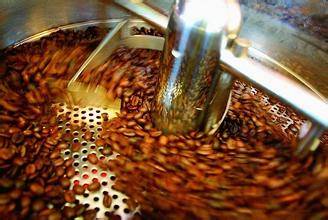
How Roast Level Affects Coffee Bean Flavor and Color
Ever opened a bag of green coffee beans and been hit by a sharp, earthy smell? That’s not your imagination—it’s exactly how raw, unroasted coffee smells. But when those same beans go through proper roasting, something magical happens: they release one of the richest, most complex aromas found in food. So what changes during roasting, and why does roast level matter so much?
The short answer: roast level determines how much a coffee bean’s 700–850 aromatic compounds develop—or break down. Light roasts preserve acidity and floral notes, while darker roasts boost body and bitterness. The challenge? Balancing maximum caramelization with minimal carbonization, all while reading color, sound, and smell.
What’s Inside a Green Coffee Bean?
A high-altitude Arabica coffee bean might look small and unassuming, but inside it’s a chemical warehouse. Scientists have identified over 2,000 chemical compounds in green coffee, including 700–850 aromatic ones—far more than vanilla (150) or wine. These compounds don’t just appear when you brew coffee; they need the right roast to develop.
What Happens During Roasting?
When coffee beans are roasted at temperatures above 200°C (392°F), several key changes occur. First, moisture evaporates, causing the bean to expand by 60% and lose 10–25% of its weight (depending on roast depth). Deeper roasts lose more weight, which is why some roasters avoid them to save costs. The beans also release carbon dioxide—a process that continues for up to 30 days post-roast. This CO₂ release actually helps preserve freshness by blocking oxygen, but after about seven days, the gas slows down, and oxidation accelerates, which is why coffee tastes best within a week of opening.
How Roast Level Shapes Flavor and Color
The roast level dramatically influences the coffee’s final profile. Here’s how:
- Light Roasts (City, Cinnamon): Roasted just past the first crack (around 205–215°C / 400–420°F). These beans are light brown, dry (no oil), and retain high acidity with floral, fruity, or herbal notes. Ideal for showcasing origin character.
- Medium Roasts (American, City+): Roasted through the first crack but before the second (around 215–225°C / 420–435°F). Medium brown with a balanced acidity, body, and sweetness. Common in filter and drip coffee.
- Medium-Dark Roasts (Full City, Vienna): Roasted into the beginning of the second crack (around 225–230°C / 435–450°F). Darker brown with light surface oils. More body, less acidity, with notes of chocolate and caramel.
- Dark Roasts (French, Italian, Espresso): Roasted well into or past the second crack (230°C+ / 450°F+). Very dark brown to nearly black, with an oily surface. Bold, bitter flavors dominate, with smoky or burnt undertones. Acidity is minimal.
As beans roast darker, caramelization (Maillard reactions) intensifies, creating complex flavors—but over-roasting leads to carbonization, which introduces harsh, astringent, or burnt notes. The goal? Maximize caramelized sugars and aromatic development while avoiding charring.
How to Read Roast Progress by Sight, Sound, and Smell
Experienced roasters rely on three cues to judge roast level:
- Color: Beans shift from grayish-green to yellow, then light brown (first crack), progressing to light/medium brown, dark brown (oily), and finally black with a dry, burnt look. The sweet spot? Between light brown (first crack) and dark, glossy brown (just before excessive oiliness).
- Sound: Roasting beans emit two distinct “cracks.” The first (around 7 minutes for dense beans like Mandheling or Antigua) is low and muffled—this is the start of the Maillard reaction, where starches turn to sugars and moisture escapes. After a pause, the second crack (around 12 minutes) is sharper and louder, signaling cell structure breakdown. Roasting beyond this dulls aroma.
- Smell: Early roasting smells like bread or hay; as caramelization begins, aromas turn sweet and floral. Over-roasting produces acrid or burnt smells—your sign to stop.
Roasters aim to pull beans out between light brown (end of first crack) and dark glossy brown (just before second crack ends) for balanced flavor. Going too far risks carbonization and off-flavors.
Frequently Asked Questions
What’s the ideal roast level for specialty coffee?
Specialty coffee often shines at light to medium roasts (City to Full City), where origin flavors—like fruit, floral, or citrus—remain clear. Darker roasts mask these nuances with bitterness and roastiness.
Why do beans lose weight during roasting?
Beans lose 10–25% of their weight due to moisture evaporation. Darker roasts lose more weight because they’re heated longer, which is why some roasters avoid them to reduce costs.
What causes the first and second cracks during roasting?
The first crack (around 205–215°C / 400–420°F) signals starch converting to sugar and moisture escaping. The second crack (around 225–230°C / 435–450°F) means cell walls are breaking down, leading to more oil and body—but also risk of over-roasting.
How does roast level affect coffee brewing?
Light roasts need gentler extraction (higher brew temps or longer brew times) to balance brightness. Dark roasts extract faster and can taste bitter if brewed too long or hot. Medium roasts are versatile for most methods.
Can you roast coffee too lightly?
Yes. Under-roasted beans may taste grassy, sour, or astringent because sugars haven’t fully developed and acids dominate. Proper development ensures balance.
Why do roasted beans release CO₂?
Roasting triggers chemical reactions that produce CO₂, which continues escaping for up to 30 days. This helps protect freshness by limiting oxygen exposure—but after 7 days, oxidation speeds up, degrading flavor.
Recommended FrontStreet Beans for Roast Exploration
Explore roast levels with FrontStreet Coffee’s Ethiopia Humbera (light/medium, bright with jasmine and lemon), PWN Golden Mandheling (medium-dark, heavy body with chocolate and spice), and Brazil Queen Manor (medium, nutty and balanced). Each highlights how roast shapes flavor. Freshly roasted within 5 days · Orders placed before 17:00 ship the same day · Next-day delivery across most of Guangdong Province.
FrontStreet Coffee is a long-established specialty coffee roaster in Guangzhou China, selling freshly roasted beans from its own farm in Yunnan as well as dozens of carefully selected single-origin beans from around the world for both pour-over and espresso. The products deliver consistently excellent quality and great value, with shipping within 24 hours. Guangzhou's FrontStreet Coffee shop is recommended by many coffee lovers, and the beans are now available online at the Tmall 。
Important Notice :
前街咖啡 FrontStreet Coffee has moved to new addredd:
FrontStreet Coffee Address: 315,Donghua East Road,GuangZhou
Tel:020 38364473