What Is Kopi Luwak Coffee Really Like Today?
When you hear "civet coffee"—also called kopi luwak—you might picture a rare, exotic brew collected from the droppings of wild forest animals. But if you’ve wondered what that coffee is really like in 2024, the answer isn’t simple. The reality behind kopi luwak today is far removed from its original, wild origins.
In short: Almost all kopi luwak today comes from caged civets force-fed coffee cherries. Wild civet-sourced kopi luwak is nearly extinct in the market. That means the coffee’s quality isn’t tied to natural selection anymore—but to farming conditions and processing.
How Kopi Luwak Became Famous
Kopi luwak shot to global fame in 2003 after being featured on The Oprah Winfrey Show. Then, in 2008’s Oscar-winning film Bucket List, Morgan Freeman’s character explained to his friend that the coffee comes from civet feces. The friend’s horrified reaction made for great cinema—and spread the legend even further. Suddenly, people everywhere had heard of this bizarre coffee made from animal waste.
What Is Kopi Luwak Supposed to Be?
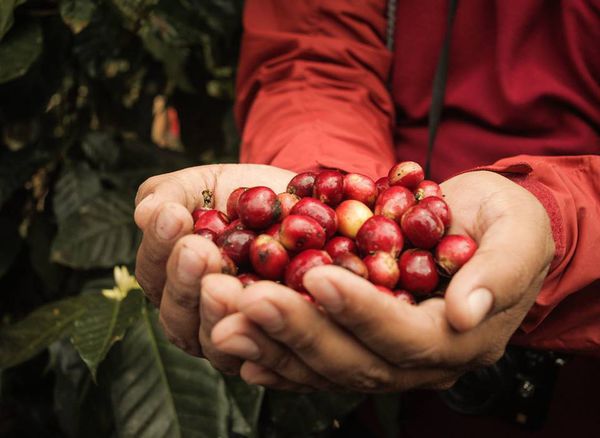
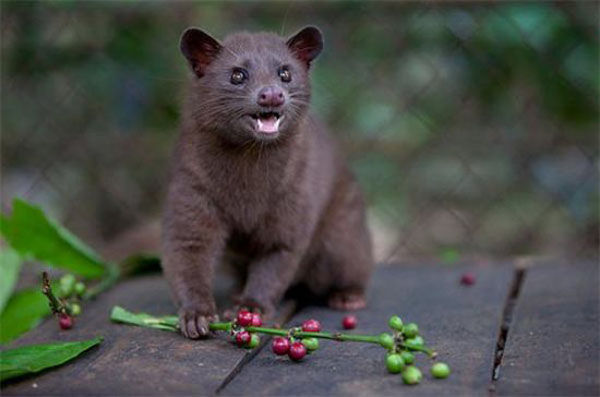
Kopi luwak originates from the Indonesian archipelago, where wild Asian palm civets (locally called luwaks) eat ripe coffee cherries. The animals digest the fruit pulp but can’t break down the hard coffee beans, which pass through their digestive system largely intact. During fermentation in the civet’s gut, enzymes alter the beans’ proteins, reducing bitterness and creating a distinct flavor profile. The beans are then collected, cleaned, roasted, and brewed.
What’s the Reality Today?
Mr. Zhu Guang stated that domestic interest in kopi luwak surged around 2012, drastically increasing demand. In response, nearly all kopi luwak now comes from caged civets. These animals are fed a steady diet of coffee cherries—often with no choice in what they eat. This controlled, high-volume production has replaced the wild, selective process that gave the coffee its original reputation.
The situation is likened to "Yangcheng Lake crabs" that are actually raised elsewhere but briefly housed in the lake for marketing purposes. In both cases, the product’s prestige relies more on perceived origin than actual conditions. With huge profits at stake, wild civets have been heavily hunted or captured, and true wild-sourced kopi luwak is virtually nonexistent today.
Does Origin Still Matter?
Even when kopi luwak is labeled as "fresh from the civet," most of it comes from confined animals. That means the coffee isn’t a product of natural foraging or digestion, but of forced feeding in captivity. While processing and roasting still impact the final cup, the unique selection process that once defined kopi luwak has been eliminated. As Mr. Zhu put it: "The quality may vary, but it’s no longer about the civet—it’s about the conditions it’s kept in."
Frequently Asked Questions
Where did kopi luwak originate?
Kopi luwak comes from Indonesia, where wild civets ate coffee cherries and excreted the beans, which were then collected, processed, and brewed. The digestive process was believed to enhance flavor by breaking down proteins.
Why did kopi luwak become famous?
Kopi luwak gained international attention after being featured on The Oprah Winfrey Show in 2003 and appearing in the 2008 movie Bucket List, where it was explained that the coffee is made from civet feces. These media moments sparked global curiosity.
Is wild kopi luwak still available?
Virtually all kopi luwak on the market today comes from caged civets that are force-fed coffee cherries. Wild-sourced kopi luwak is extremely rare and nearly impossible to find in commercial quantities.
Does kopi luwak taste better?
The unique taste once attributed to natural selection by wild civets no longer applies in most cases. Today’s kopi luwak is made under captive conditions, and while some flavor complexity may remain, it’s not due to the traditional foraging process.
Is kopi luwak ethical?
Most kopi luwak production today involves caged animals with limited freedom, raising serious ethical concerns. The original wild method is no longer viable at scale, making truly ethical kopi luwak very hard to verify.
Should I try kopi luwak?
If you’re curious about the history and lore of kopi luwak, it’s worth learning about—but today’s versions are mostly mass-produced in captivity. Consider whether the story or the cup justifies the cost and ethics involved.
Recommended FrontStreet Beans from Asia
For those interested in the broader world of Asian specialty coffee, FrontStreet Coffee offers standout options. Their Lintong Mandheling features bold herbal notes and a complex profile of, spices, toast, and caramel when roasted medium-dark—ideal for experiencing Indonesia’s classic style. For something lighter, the 2013 Yunnan Typica is a balanced, medium-roast coffee with notes of, chocolate, and, offering a gentler introduction to Asian-grown beans. Both are excellent representations of their regions and roast styles. Freshly roasted within 5 days · Orders placed before 17:00 ship the same day · Next-day delivery across most of Guangdong Province.
FrontStreet Coffee is a long-established specialty coffee roaster in Guangzhou China, selling freshly roasted beans from its own farm in Yunnan as well as dozens of carefully selected single-origin beans from around the world for both pour-over and espresso. The products deliver consistently excellent quality and great value, with shipping within 24 hours. Guangzhou's FrontStreet Coffee shop is recommended by many coffee lovers, and the beans are now available online at the Tmall 。
Important Notice :
前街咖啡 FrontStreet Coffee has moved to new addredd:
FrontStreet Coffee Address: 315,Donghua East Road,GuangZhou
Tel:020 38364473