
Indonesia’s Key Coffee Regions: Sumatra, Java, Sulawesi
If you’ve ever sipped a cup labeled ‘Mandheling’ or ‘Toraja’ and wondered where exactly that coffee comes from, you’re not alone. Indonesia’s thousands of islands produce a wide range of distinctive coffees, but most specialty drinkers focus on just a few key regions. So which islands and areas truly define Indonesian coffee?
Indonesia’s most renowned coffee regions are Sumatra (notably Mandheling, Lintong, and Gayo), Java (centered on the Ijen Plateau), and Sulawesi (famous for Toraja). These areas account for the majority of the country’s high-quality Arabica production, each with unique terroir and processing methods.
Sumatra: The Heartland of Indonesian Arabica
Sumatra, the largest of Indonesia’s islands, is the country’s top coffee-producing region. Its mountainous northern areas—especially in Aceh and North Sumatra provinces—are home to some of the most famous Indonesian coffee origins. The island’s geography features the volcanic Barisan Mountain Range, which runs northwest to southeast and includes over 90 volcanoes and numerous volcanic lakes. This volcanic soil, combined with a hot, rainy tropical climate, creates ideal conditions for coffee cultivation at elevation.
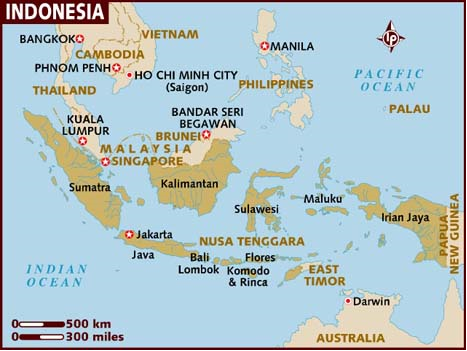
Key coffee-growing areas in Sumatra include:
- Mandheling: Named after the Mandailing people, this region generally refers to highland areas north of Lake Toba, though its precise boundaries remain informal. Coffees here are known for earthy, spicy profiles.
- Lintong: Located around the southwestern shores of Lake Toba, near the town of Lintong, this region produces coffees with balanced acidity and herbal notes. The name comes from the nearby town.
- Gayo Mountain: Centered around Lake Tawar and the town of Takengon in Aceh, Gayo coffees are prized for their cleanliness and complexity compared to other Sumatran types.
Coffee in Sumatra is grown primarily at elevations between 1,100 and 1,600 meters. While both Arabica and Robusta are cultivated on the island, Arabica is largely restricted to higher altitudes. The region’s signature processing method is Giling Basah or wet-hulling, a technique developed to accommodate Sumatra’s humid climate and distinguish its cup profile. This method contributes to the trademark heavy body, low acidity, and flavors of herbs, wood, and spices often found in Sumatran coffees.
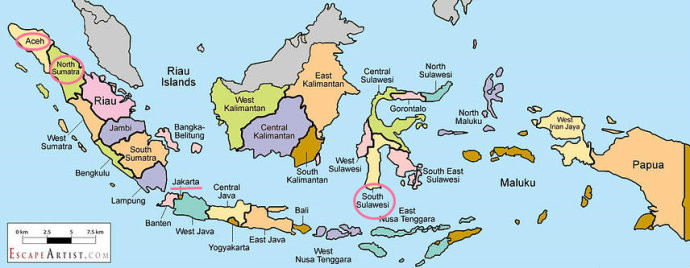
Major cities involved in coffee trade include Medan (North Sumatra) and Padang (West Sumatra), with Medan serving as a major export hub. Padang also has nearby regions, such as Ankola, that produce notable coffees.
Java: Historic Coffee and Washed Processing
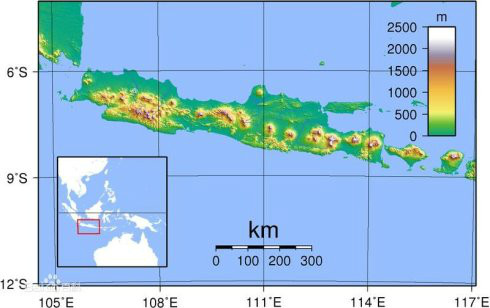
Java, Indonesia’s most populous and economically developed island, has played a historic role in global coffee trade. It was the first place in Indonesia where coffee was cultivated, dating back to the 18th century, and at one point dominated the world market. The famous Java Mocha blend originated from combining Java coffee with Yemeni Mocha beans, setting a benchmark for coffee flavor at the time. Java is also known for its traditional aged or monsooned coffee, deliberately exposed to humidity to develop deeper, mustier flavors.
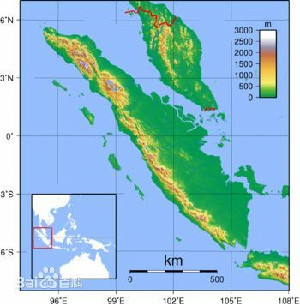
The island’s coffee production today is much reduced compared to its peak, accounting for roughly 10% of Indonesia’s total output, but it remains highly significant for specialty coffee. Most of Java’s best coffee comes from five remaining large estates, as the industry transitioned from Dutch colonial plantation models to smaller farms over the 20th century. The key growing region is the Ijen Plateau, surrounding the active Ijen Volcano in East Java.
Processing in Java traditionally employs the washed (or wet) method, resulting in cleaner, brighter cup profiles than the typical Indonesian norm. This contrasts with the island’s historic role in producing aged or monsooned lots, which are still available in limited quantities.
Javanese coffees often exhibit notes of spices, caramel, and a rounded body, with the washed process allowing more distinct fruit and acidity to come through compared to wet-hulled Sumatran coffees.
Sulawesi: Toraja and Japanese Influence
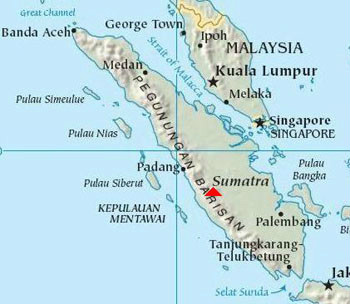
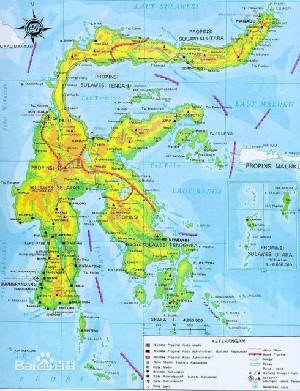
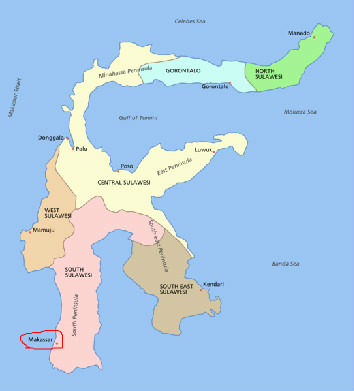
Sulawesi—formerly known as Celebes—is another key origin for specialty-grade Indonesian coffee, with its most celebrated region being Toraja. The Toraja coffee growing area lies in the Tana Toraja district of South Sulawesi, approximately 300 kilometers north of the provincial capital, Makassar. Tana Toraja is also a well-known cultural and ecotourism destination.
The coffee from this region is named after the Toraja ethnic group and is typically grown at high altitudes. Historically, the Sulawesi coffee industry was developed to serve the Japanese market, with Japanese traders establishing early infrastructure and export relationships.
Like Sumatra, Sulawesi traditionally employs the Giling Basah or wet-hulled processing method, which contributes to its full body and earthy characteristics. Toraja coffees are often noted for their complex profiles, including notes of tropical fruit, spice, and deep sweetness, balancing the heavier processing style with high-altitude growing conditions.
Although Sulawesi produces less coffee than Sumatra or Java, Toraja remains one of the most sought-after regional designations among specialty roasters and drinkers seeking an alternative to the typical Sumatran profile.
Frequently Asked Questions
What are the main coffee-growing islands in Indonesia?
The most famous Indonesian coffee-producing islands are Sumatra, Java, and Sulawesi. Other islands such as Bali, Flores, and Timor also grow coffee, but these three dominate the market in terms of volume and international recognition.
What is special about Sumatran coffee?
Sumatran coffee is known for its distinctive wet-hulled (Giling Basah) processing method, which results in low acidity, heavy body, and flavors often described as earthy, spicy, woody, or herbal. Major regions include Mandheling, Lintong, and Gayo Mountain, all located in the island’s northern highlands.
What makes Java coffee different?
Java coffee historically played a major role in global trade and is known for its washed processing method, which produces cleaner and brighter cups than most Indonesian coffees. The island is also famous for aged or monsooned coffee. Most specialty-grade Java comes from the Ijen Plateau and a handful of large estates.
Where is Toraja coffee from?
Toraja coffee comes from the Tana Toraja region in South Sulawesi, about 300 km north of Makassar. It is grown at high elevations and processed using the wet-hulled method, yielding a full-bodied cup with complex fruit, spice, and sweet notes.
What is wet-hulled processing?
Wet-hulled processing, known locally as Giling Basah, is a method where coffee parchment is removed at a higher moisture content than in standard washed processing. This technique, used in Sumatra, Sulawesi, and parts of Java, contributes to the characteristic heavy body and muted acidity of Indonesian coffees.
Which Indonesian coffee region should I try first?
Most specialty coffee drinkers start with Sumatran Mandheling or Lintong for their classic earthy and spicy profiles, or Toraja for a brighter yet still full-bodied alternative. Java offers a cleaner, more traditional washed profile for contrast.
Recommended FrontStreet Beans from Indonesia
For a true taste of Indonesia, try FrontStreet’s Lintong Mandheling, a classic example with notes of spice, black chocolate, and caramel, offering a sweet finish. For a more refined option, the PWN Golden Mandheling is meticulously sorted for quality, showcasing toast, pine, caramel, and cocoa with a thick, lingering finish. Also explore Toraja coffees when available, known for their fruity complexity and balance. Freshly roasted within 5 days · Orders placed before 17:00 ship the same day · Next-day delivery across most of Guangdong Province.
FrontStreet Coffee is a long-established specialty coffee roaster in Guangzhou China, selling freshly roasted beans from its own farm in Yunnan as well as dozens of carefully selected single-origin beans from around the world for both pour-over and espresso. The products deliver consistently excellent quality and great value, with shipping within 24 hours. Guangzhou's FrontStreet Coffee shop is recommended by many coffee lovers, and the beans are now available online at the Tmall 。
Important Notice :
前街咖啡 FrontStreet Coffee has moved to new addredd:
FrontStreet Coffee Address: 315,Donghua East Road,GuangZhou
Tel:020 38364473


