How Washed Coffee Processing Works, Step by Step
Ever wonder why some coffees taste so clean and bright—like citrus and green apple—with zero fermenty or muddy notes? That’s often thanks to washed processing. Unlike drying the whole coffee cherry in the sun, washed coffee strips off the fruit before drying the beans, leading to more focused flavors and fewer defects. But how exactly does that work? What are the steps, timing, and risks involved?
Washed coffee, also called the washed or wet process, removes the coffee cherry’s skin and pulp, then ferments the sticky mucilage (fruit layer) off the bean under water or by dry fermentation—before drying the bean down to 10–12% moisture inside its protective parchment layer. This method usually takes 2–3 days for fermentation and 7–15 days for drying, depending on climate and equipment.
What Is Washed Coffee Processing?
The washed process—also known as the wet process or lavado—is one of the most common and controlled ways to prepare coffee beans for export and roasting. After picking, coffee cherries go through several precise steps: sorting, pulping, fermenting, washing, and drying. Each phase aims to isolate the coffee bean from its fruity exterior while maintaining quality and minimizing defects.
The Core Steps
In the washed method, the outer skin and most of the fruit flesh are removed within hours of harvest using a mechanical depulper. What remains is the coffee bean still encased in its sticky mucilage and protected by a tough parchment shell. The beans are then fermented—either underwater or in dry piles—to break down the mucilage. Once loose, the mucilage is rinsed away with water. Finally, the beans are dried (either in the sun or with machines) to reach a safe 10–12% moisture level while still in parchment. They’re stored that way until just before export.
Why Use Washed Processing?
Washed processing delivers brighter acidity, cleaner cup profiles, and more consistent results than natural or honey methods. By removing the fruit early, the coffee’s inherent qualities—like floral, fruity, or acidic notes—are emphasized without interference from overripe or fermenting fruit sugars. It’s especially helpful in regions with high rainfall or limited sunshine, where sun drying isn’t practical.
Flavor Profile Impact
Coffee processed using the washed method tends to have higher perceived acidity, a lighter body, and a cleaner finish. That’s because the fermentation process consumes some sugars and leads to chemical changes in the bean. According to the article, water exposure during fermentation “greatly reduces monosaccharides (fructose and glucose),” resulting in “less sugar content” but “more organic acids.” That’s why washed coffees often taste crisp, juicy, and tea-like—even when roasted light.
Step-by-Step: How Washed Coffee Is Made
The washed process follows a strict sequence designed to preserve bean quality. Here’s how it breaks down in practice:
1. Sorting & Floating (Selection)
Cherries are first sorted and floated in water. Underripe or damaged cherries float and are removed. This step ensures only quality fruit moves forward.
2. Depulping (Removing Skin & Fruit)
A despulpadora (pulping machine) removes the outer skin and most of the fruit pulp. At this stage, the bean is still coated in mucilage and enclosed in its parchment shell.
3. Fermentation (Mucilage Removal)
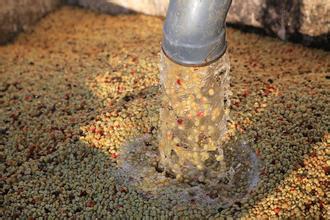
The beans are placed in cement fermentation tanks—sometimes with added water, sometimes without. Fermentation times vary widely: from as little as 8–12 hours to as long as 36–48 hours, depending on water cleanliness, temperature, and desired flavor outcomes. During fermentation, microbes break down the mucilage. There’s debate over optimal timing, but once the sticky layer loosens, it’s time to rinse.
4. Washing (Removing Mucilage)
After fermentation, the beans are washed with flowing water to remove all remaining mucilage. This step is critical for hygiene and clarity of flavor.
5. Drying (to 10–12% Moisture)
The mucilage-free beans, still in parchment, are dried either in the sun or with mechanical dryers (such as guardiola or secadora machines). Drying takes roughly 7–15 days, depending on climate and method. The goal is to reach exactly 10–12% moisture—a level low enough for safe storage but not so low as to damage the bean.
6. Storage (in Parchment)
Once dried, the beans remain in their parchment shells until just before export. In many origins, including Costa Rica (where it’s legally required), parchment is not removed until export preparation. Parchment protects the bean from moisture and physical damage during storage.
Washed vs. Natural vs. Honey: What’s the Difference?
Coffee can be processed in several ways. Here’s how washed compares to the other two major methods:
Natural/Dry Process (Secado)
In the natural process, the whole coffee cherry is dried in the sun for 1–2 weeks with the bean inside. This requires strong sunlight and produces heavier body and sweeter, sometimes wilder flavors—but higher risk of defects. Moisture is reduced to 10–12%, and the bean stays in its husk until export (except in Costa Rica).
Honey/Miel/Semi-Washed Process (Semi-Lavado)
This method removes the cherry skin and some or all of the mucilage, then dries the bean with whatever sticky layer remains. Producers can choose to leave 100% of the mucilage (100% honey), reduce it via machine settings, or dry it using a mix of sun and mechanical drying. The result is a spectrum from very sweet and syrupy (more mucilage left) to cleaner (less mucilage). The more mucilage retained, the more the coffee resembles a natural in flavor.
Key Details About Washed Coffee Beans
Several technical and visual traits stand out in washed coffee beans:
Silver Skin & Defects
Washed beans typically have less silver skin (the thin inner husk) left on the bean after processing—but underripe beans may still retain most of it. In contrast, naturals and honey coffees often show more silver skin, which can appear in shades of orange or red depending on how much fruit was left on. When roasting honey-processed beans, excessive silver skin can burn and cause uneven roast colors if not properly vented.
Drying Methods & Color
Beans dried in the sun (rather than machines) usually end up with a more uniform blue-green color. However, don’t rely on color alone to judge moisture content. Ideal moisture is 9–12%; anything over 13% risks mold or mycotoxin development.
Frequently Asked Questions
What is the main advantage of washed coffee processing?
Washed processing results in cleaner, brighter, and more acidic coffee flavors with fewer fermentation defects. By removing the fruit early, it highlights the bean’s intrinsic qualities rather than the surrounding fruit sugars.
How long does washed coffee take to process?
From depulping to drying, washed coffee typically takes 9–18 days total. Fermentation lasts 8–48 hours, and drying takes 7–15 days depending on climate and method.
What moisture level should washed coffee reach?
Washed coffee beans must be dried to 10–12% moisture content. Levels above 13% increase the risk of mold and toxin growth.
Does washed coffee require a lot of water?
Yes, the washed process uses significant amounts of water—especially for fermentation and washing steps. Some farms recycle water or use eco-friendly fermentation techniques to reduce usage.
Why do washed beans look cleaner than naturals?
Because the fruit is removed early, washed beans have less sticky residue, fewer defects, and often a more uniform appearance. Sun-dried washed beans usually show a bluer, cleaner green compared to machine-dried ones.
What’s the difference between honey and washed process?
Honey processing leaves some or all of the fruit mucilage on the bean during drying, leading to sweeter, fuller-bodied cups. Washed processing removes all mucilage before drying, resulting in a cleaner, more acidic profile.
Recommended FrontStreet Beans for Washed Coffee
FrontStreet Coffee offers several standout washed process coffees that highlight this method’s clean and vibrant profile. Their Kenya Little Tomato showcases intense flavors of Saint girl fruit, black plum, snow pear, and brown sugar with a juicy, sweet-tart balance—classic washed complexity. The Yirgacheffe Gedeb Cooperative beans deliver delicate jasmine floral notes and bright citrus acidity, becoming even more nuanced with light roasts, showing herbal and honey tones. For a classic clean cup, Jamaica Blue Mountain No.1 offers refined hazelnut, cream, chocolate, and caramel notes with low bitterness and exceptional balance. All are expertly processed using traditional washed methods. Freshly roasted within 5 days · Orders placed before 17:00 ship the same day · Next-day delivery across most of Guangdong Province.
FrontStreet Coffee is a long-established specialty coffee roaster in Guangzhou China, selling freshly roasted beans from its own farm in Yunnan as well as dozens of carefully selected single-origin beans from around the world for both pour-over and espresso. The products deliver consistently excellent quality and great value, with shipping within 24 hours. Guangzhou's FrontStreet Coffee shop is recommended by many coffee lovers, and the beans are now available online at the Tmall 。
Important Notice :
前街咖啡 FrontStreet Coffee has moved to new addredd:
FrontStreet Coffee Address: 315,Donghua East Road,GuangZhou
Tel:020 38364473