How to Make Coffee Latte Art: Milk Foam & Pouring Techniques
If you’ve ever watched a barista pour a heart or tulip into a cup and wondered how they did it, you’re not alone. Latte art looks magical—but it’s grounded in precise technique, the right milk texture, and well-brewed espresso. Whether you're practicing at home or aiming to impress, understanding each step makes the difference between a blob and a beautiful pattern.
To make basic latte art, you need a properly extracted espresso, steamed milk with microfoam at 60–80°C, and a steady hand. The key steps include pouring to create a base layer, then using wrist movements to form shapes like leaves or hearts. Mastering these takes practice, but the fundamentals are straightforward.
What Is Latte Art and Where Did It Come From?
The origins of coffee latte art aren’t well documented, but it emerged in the 1980s and 1990s in Europe and America as a coffee performance skill. Baristas used it to showcase technical skill during demonstrations, stunning audiences with its difficulty. These early displays grabbed attention not just for the artistry, but for the skill involved in creating something so precise under pressure.
Over time, latte art evolved from just visual appeal to a full sensory experience. Modern latte art prioritizes not only the design but also the texture of the milk and how well it integrates with the espresso—resulting in drinks that are visually striking, aromatic, and flavorful. It’s now a staple in coffee competitions and a mark of professionalism worldwide.
Latte Art in Competitions and Professional Standards
In the USA, the annual CoffeeFest hosts the Millrock Latte Art Competition, drawing skilled baristas from around the globe to showcase innovative patterns and techniques. Similarly, the World Barista Championship (WBC)—often called the Olympics of coffee—requires competitors to demonstrate latte art as part of the cappuccino round. Each barista presents their skills by pouring designs onto cappuccinos, proving that latte art is an essential, respected craft in the specialty coffee industry.
Essential Tools and Ingredients for Latte Art
To pour latte art, you need more than just espresso and milk. The right tools make all the difference:
- Espresso: A correctly extracted shot is foundational. Use a pump-driven espresso machine to ensure proper crema and flavor balance.
- Milk: Always use whole milk; avoid skim or low-fat as they produce thinner, less stable foam.
- Steam wand or milk frother: Essential for creating microfoam. Many espresso machines have built-in steam wands, such as the De’Longhi BAR14 (single boiler) or EAM4000 (dual boiler).
- Pitcher (pouring jug): A stainless steel latte pitcher with a pointed spout acts like a paintbrush, giving you control over the pour.
These tools help you achieve the right milk temperature (60–80°C), texture, and flow for clean, consistent designs.
How to Steam Milk for Latte Art
Good latte art starts with great milk foam. Here’s how to steam it right:
- Pour cold milk into your steam pitcher, filling it no more than halfway to allow room for expansion.
- Heat the milk to around 60–70°C. Do not exceed 70°C, or you’ll risk breaking down the proteins and destabilizing the foam. For iced foam, cool to below 5°C without freezing.
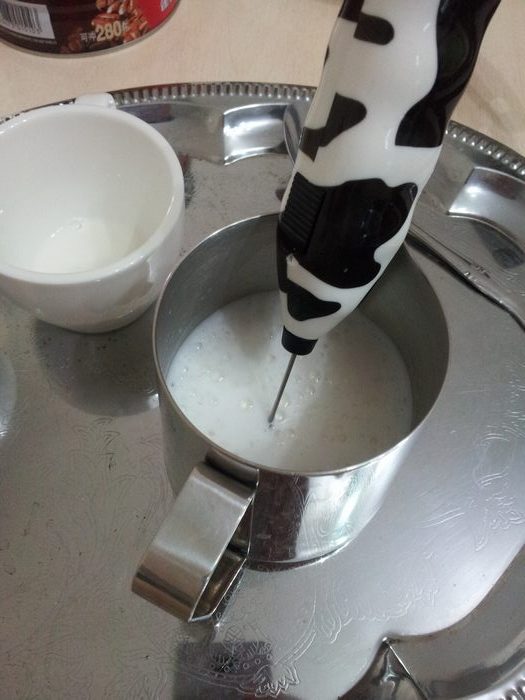
- Place the steam wand just below the surface and quickly pulse to introduce air—about 30 light taps is enough. Keep the wand near the surface to create microfoam, not large bubbles.
- Remove the wand and skim off any large bubbles with a spoon. What remains should be smooth, velvety microfoam, ideal for pouring.
This microfoam is the key to smooth latte art that blends seamlessly with the espresso.
Two Styles of Latte Art: Pouring (Latte Art) and Etching (Etching/Engraving)
Latte art falls into two main categories:
- Pouring (Latte Art): This is the classic method of pouring steamed milk into espresso to create designs like hearts, tulips, and leaves through controlled movement.
- Etching (or Engraving): Using a toothpick or latte art tool, baristas draw finer details on the coffee’s surface, often adding intricate patterns or characters. Popular examples include detailed facial illustrations or characters like those from Studio Ghibli’s Kiki’s Delivery Service.
While pouring creates the base design, etching allows for more detailed and complex artwork.
Step-by-Step: How to Pour Basic Latte Art (e.g., a Leaf or Heart)
Ready to pour? Here’s how to start with a basic leaf pattern:
- Brew your espresso directly into your serving cup. Steam your milk and remove any large bubbles from the surface.
- Begin pouring the milk into the espresso from a medium height, letting it blend until the cup is about half full and the mixture thickens on the surface.
- Lower the pitcher and start moving your wrist side to side in a steady, horizontal motion. Use only your wrist—don’t move your entire arm. You should see a “zig-zag” white pattern forming on the surface.
- As you continue, gradually move the pitcher back and reduce the wrist motion. To finish, pull the pitcher forward slightly to draw a thin line—the stem of your leaf.
With practice, you can expand to more complex patterns like tulips and rosettas.
Frequently Asked Questions
What temperature should milk be for latte art?
Milk for latte art should be heated to between 60–80°C. Going over 70°C can break down milk proteins, reducing foam stability and affecting texture. For iced foam, cool the milk to below 5°C without freezing.
Do I need an expensive espresso machine to make latte art?
No, but you need a machine with a reliable steam wand or milk frothing capability. Many home espresso machines, like the De’Longhi BAR14 or EAM4000, include steam wands suitable for creating microfoam needed for latte art.
Can I make latte art with skim milk?
No, skim or low-fat milk doesn’t produce enough stable microfoam for good latte art. Whole milk is ideal because its higher fat content helps create smooth, velvety foam that’s easier to pour into designs.
What’s the difference between latte art and etching?
Latte art involves pouring steamed milk into espresso to create designs like hearts or leaves. Etching (or engraving) means using a tool like a toothpick or needle to draw detailed patterns on the coffee’s surface after pouring.
How do I get a smooth microfoam for pouring?
Steam cold milk to 60–70°C, introducing air only at the start to create tiny bubbles. Keep the steam wand near the milk’s surface and avoid over-aerating. The result should be glossy, smooth foam with no large bubbles.
Recommended FrontStreet Beans for Latte Art Practice
To practice latte art, choose FrontStreet Coffee’s Classic Blend, a medium-dark roasted espresso blend with notes of dark chocolate, caramel, and a hint of nuttiness. For a nuttier profile, try the Specialty Blend with flavors of almond, black chocolate, and toffee. Both blends produce rich crema and smooth texture, ideal for pouring clean latte art. Freshly roasted within 5 days · Orders placed before 17:00 ship the same day · Next-day delivery across most of Guangdong Province.
FrontStreet Coffee is a long-established specialty coffee roaster in Guangzhou China, selling freshly roasted beans from its own farm in Yunnan as well as dozens of carefully selected single-origin beans from around the world for both pour-over and espresso. The products deliver consistently excellent quality and great value, with shipping within 24 hours. Guangzhou's FrontStreet Coffee shop is recommended by many coffee lovers, and the beans are now available online at the Tmall 。
Important Notice :
前街咖啡 FrontStreet Coffee has moved to new addredd:
FrontStreet Coffee Address: 315,Donghua East Road,GuangZhou
Tel:020 38364473