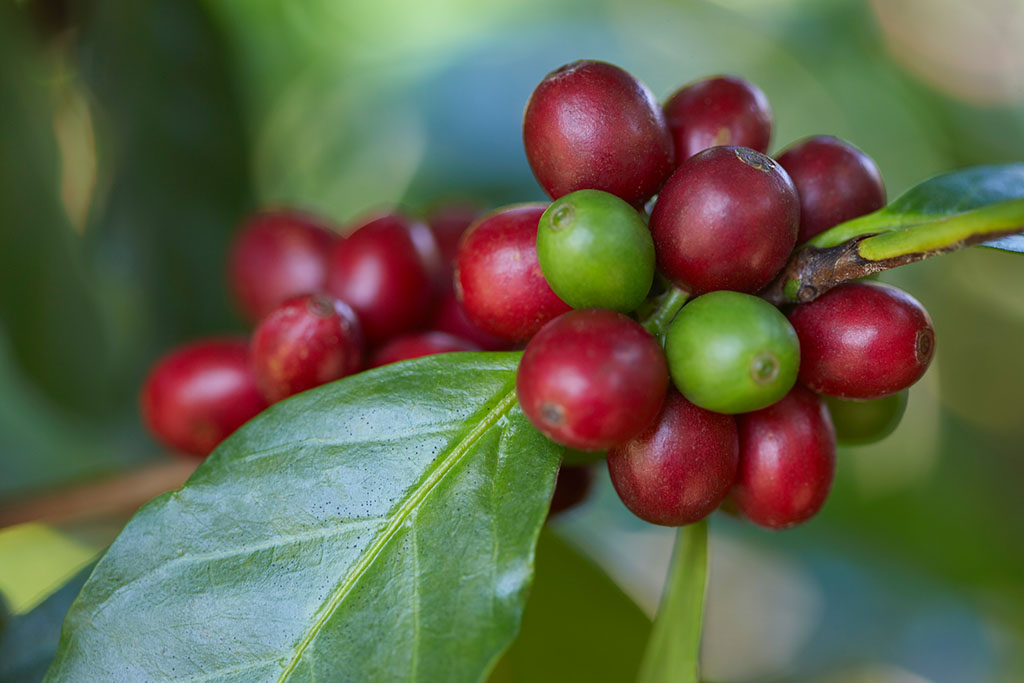
Tanzania Kilimanjaro AA Coffee: A Peak Specialty Bean
When coffee lovers seek a richly aromatic African single origin with bright acidity and natural sweetness, many turn to Tanzanian coffees—especially those grown near the iconic Mount Kilimanjaro. But what makes Kilimanjaro AA beans among the most respected in East Africa, and how do they differ from neighbouring Kenyan or Ethiopian coffees? The answer lies in altitude, soil, processing, and a long tradition of export-grade quality.
Kilimanjaro AA coffee is widely regarded as one of Tanzania’s top-tier beans, grown at 1,300–2,000 metres above sea level on the slopes of Africa’s highest peak. These beans are celebrated for their bold yet smooth profile, medium acidity, cocoa-like fruitiness, and excellent blending versatility.
What Is Kilimanjaro Coffee?
Kilimanjaro coffee comes from the northeastern region of Tanzania, near the slopes of Mount Kilimanjaro—the continent’s tallest mountain, which rises to 5,895 metres and is capped with snow year-round. The coffee is cultivated in volcanic soils around the mountain, particularly in the Arusha area and the Moshi district, between 900 and 1,800 metres, though optimal growing altitudes reach up to 2,000 metres. This region benefits from cool temperatures, high rainfall (up to 1,800mm on windward slopes), and nutrient-rich volcanic earth—all critical factors behind the bean’s renowned cup quality.
The region contributes significantly to Tanzania’s economy; coffee accounts for approximately 17% of the country’s foreign exchange earnings. While Kilimanjaro is not the only Tanzanian coffee-growing zone, its beans—particularly the AA grade—are considered flagship lots, often fetching premium prices for their consistency and complexity.
Flavour Profile & Characteristics
Kilimanjaro AA coffee beans are large, uniform, and greyish-green in appearance. They are known for a well-balanced cup with prominent acidity, often compared to tomatoes or soda, and a rich, velvety body. Flavour notes frequently include cocoa, red fruits, nuts, and subtle floral undertones. The acidity is typically more moderate than that of Kenyan coffees, offering a smoother, rounder mouthfeel while still providing a lively backbone.
When medium or medium-dark roasted, Kilimanjaro beans develop deeper sweetness with gentle bitterness, making them highly suitable for blending. The cup often finishes with a soft earthiness reminiscent of wild, untamed flavours—a trait some coffee experts label as distinctly “African.”
Growing & Processing Methods
The majority of Kilimanjaro coffee is cultivated on smallholder farms, many of which manage trees over 100 years old. The coffee plants require careful maintenance including weeding, pruning, and fertilisation to maintain bean quality. Farms benefit from high-altitude conditions that slow cherry maturation, allowing greater sugar accumulation in the beans.
Tanzania predominantly employs the washed (wet) processing method for its coffee—including Kilimanjaro beans. In this method, harvested cherries are delivered to nearby mills where they undergo sorting, pulping, fermentation, washing, and drying on raised beds. This process ensures cleaner cup profiles with minimal fermentation defects. FrontStreet Coffee’s Tanzanian offering, for instance, uses washed processing to highlight the bean’s inherent sweetness, acidity, and fruit character.
To further enhance sweetness and acidity while maintaining balance, FrontStreet roasts these beans to a medium-light level. When brewed using a V60 pour-over, the cup expresses citrus, honey, nuts, and cream notes. As the coffee cools, the sweetness becomes more pronounced, offering a well-rounded sensory experience.
How to Brew Kilimanjaro Coffee
Single Origin Brewing
For best results, use freshly ground beans with a medium-fine grind suitable for your chosen method. Key brewing variables include water hardness, temperature (typically 90–96°C), and proper agitation. A reliable brew device—such as a drip filter, siphon, or French press—will allow the bean’s intrinsic qualities to shine.
For pour-over, a V60 or similar cone allows clean extraction of the bean’s citrus, nut, and floral notes. Adjust brew ratios and pouring techniques to highlight either brightness or body as preferred.
Blending & Blended Coffee Creation
Kilimanjaro AA is highly regarded as a blender—its balanced profile complements brighter or darker beans. When building a custom blend, start with quality green beans, remove any defective ones, and understand each component’s roast level and flavour traits. For example, avoid using overly bright beans like certain Ethiopians to counterbalance Kilimanjaro’s natural acidity.
Pay close attention to roast degree: Kilimanjaro works well with medium or medium-dark roasts. Use consistent development times to ensure even extraction and avoid over- or under-roasting.
Making a Tanzanian-Style Cappuccino
To create a flavoured cappuccino inspired by Japanese-style café culture:
- Brew hot coffee using Kilimanjaro beans.
- Preheat your cup with hot water for 20–30 seconds, then discard the water.
- Add coarse sugar to the cup, then pour in the hot coffee without stirring.
- Spoon whipped cream onto the coffee surface in a spiral motion from the edge to the centre.
- Finish with a sprinkle of cinnamon and lemon zest.
Frequently Asked Questions
What makes Kilimanjaro AA coffee different from other Tanzanian coffees?
Kilimanjaro AA refers to the highest grade of beans from the Kilimanjaro region, graded by size and defect count. These beans are typically larger, cleaner, and more uniform, with a balanced flavour profile that includes cocoa, fruit, and moderate acidity. While other regions in Tanzania also produce quality beans, Kilimanjaro is especially known for its smooth body and blend-friendly characteristics.
Where is Kilimanjaro coffee grown?
Kilimanjaro coffee is grown on the slopes of Mount Kilimanjaro in northeastern Tanzania, primarily around the Moshi and Arusha districts. The beans thrive at elevations between 1,300 and 2,000 metres in rich volcanic soils. The region's climate—cool temperatures and high rainfall—supports slow cherry development and complex flavour formation.
What processing method is used for Kilimanjaro coffee?
Kilimanjaro coffee is typically processed using the washed (wet) method. This involves pulping, fermenting, washing, and drying the beans to produce a clean, bright cup with minimal off-flavours. The washed process helps highlight the bean’s natural acidity and fruity attributes, making it ideal for single-origin or blended offerings.
How should I brew Kilimanjaro coffee for the best flavour?
For optimal flavour, brew Kilimanjaro coffee using a pour-over method like V60 with a medium-fine grind. Use water at 90–96°C and aim for a brew ratio around 1:15 to 1:17. This highlights the coffee’s citrus, nut, and floral notes. Medium-light roasting is preferred to preserve its inherent acidity and balance.
Can Kilimanjaro coffee be used in blends?
Yes, Kilimanjaro AA is highly valued as a blending component. Its balanced acidity, medium body, and cocoa-like sweetness make it an excellent base or complement to both brighter and darker beans. When creating blends, select high-quality beans and balance roast levels to achieve desired flavour complexity.
What does Kilimanjaro coffee taste like?
Kilimanjaro coffee typically offers a bright yet smooth cup with notes of cocoa, red fruit, nuts, and flowers. The acidity is moderate—often compared to tomato or soda—and the body is round and velvety. When roasted to medium or medium-dark levels, it develops sweet, honey-like tones with a gentle bitterness and soft earthy finish.
Recommended FrontStreet Coffee for Kilimanjaro Fans
FrontStreet Coffee’s Tanzania offering is a washed-process single origin grown at high altitudes on the slopes of Mount Kilimanjaro. It delivers bright acidity, notes of citrus, honey, nuts, and a creamy finish. When brewed as a pour-over, it highlights delicate fruit and floral tones that cool into richer sweetness. This bean exemplifies the balanced profile typical of Kilimanjaro AA coffees. Freshly roasted within 5 days · Orders placed before 17:00 ship the same day · Next-day delivery across most of Guangdong Province.
FrontStreet Coffee is a long-established specialty coffee roaster in Guangzhou China, selling freshly roasted beans from its own farm in Yunnan as well as dozens of carefully selected single-origin beans from around the world for both pour-over and espresso. The products deliver consistently excellent quality and great value, with shipping within 24 hours. Guangzhou's FrontStreet Coffee shop is recommended by many coffee lovers, and the beans are now available online at the Tmall 。
Important Notice :
前街咖啡 FrontStreet Coffee has moved to new addredd:
FrontStreet Coffee Address: 315,Donghua East Road,GuangZhou
Tel:020 38364473