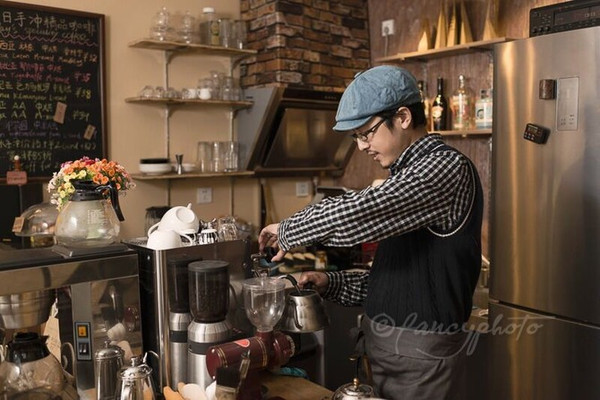
How to Make Pour-Over Coffee at Home
Making a great cup of coffee at home doesn’t need expensive machines or years of experience. If you’re after a simple, clean-tasting brew with minimal gear, pour-over coffee using a paper filter is one of the easiest and most reliable methods. It gives you control over water temperature, brew time, and coffee dose—without complicated setups.
To make a standard single serving using the pour-over (paper filter) method, use 10–12g of medium-fine ground coffee and 120ml (about 4 fl oz) of water heated to around 95°C. Adjust the dose slightly up or down for stronger or milder flavour, and follow a simple bloom-and-pour routine for best results.
What You Need for Paper Filter Pour-Over
Paper pour-over brewing is one of the most hygienic and low-mess ways to make coffee. The filter is used once and thrown away, which helps avoid old coffee oils or residue affecting taste. You’ll need just a few basic items: a pour-over dripper (commonly plastic or ceramic, though plastic retains heat better), paper filters that match your dripper’s shape and size, freshly roasted coffee beans, a gooseneck kettle for controlled pouring, and a cup or server to catch the brewed coffee.
Drippers come with either two or three holes—the three-hole version is more common and affordable, often costing around $2–3 USD. Filters are inexpensive and widely available. For best temperature stability, choose a plastic dripper rather than ceramic, since plastic conducts less heat. Match the filter and dripper size to the number of cups you're brewing.
Step-by-Step: How to Brew Coffee with Paper Filters
The pour-over technique is deceptively simple but rewards attention to detail. Here’s how to do it properly:
- Fold the paper filter along its seam so it sits neatly in your dripper. Place it in the brewer and set atop your cup or server.
- Weigh and grind 10–12g of coffee to a medium-fine consistency (comparable to table salt). Add the grounds to the filter and tap lightly to level the surface.
- Heat water to approximately 95°C (just off a full boil), then pour a small amount to wet the filter and preheat your equipment. Discard this water or let it warm your cup.
- Add your ground coffee, then start your bloom: gently pour about twice the weight of your coffee in hot water (around 20–30ml) in a circular motion, starting from the centre and avoiding the edges. Let it sit for about 20 seconds to degas.
- After the bloom, slowly pour the remaining water in stages—beginning at the centre and spiralling outward—maintaining a steady flow and keeping the water level consistent. Total brew time should be around 2:30–3:30 minutes for a clean, balanced extraction.
- Stop pouring once you’ve reached your target brew volume (typically around 120–150ml for a single cup). Let the last drops finish dripping, then remove the filter—avoid letting all the water drain out, as it can carry over bitter residues.
- Serve immediately. For best flavour, warm your cup or server beforehand to help maintain temperature.
Tip: Use a gooseneck kettle with a narrow spout—it gives you precision when pouring. Keep the kettle around 70–80% full for easier handling, especially when making just one cup.
Adjusting Strength and Flavour
You can easily tweak the flavour of your pour-over by adjusting two main variables: coffee dose and grind size.
- For a lighter, more delicate cup, use a slightly larger coffee dose (e.g., 12g) but increase grind size slightly and reduce brew time.
- For a stronger, more intense brew, use up to 12g of coffee for a single cup, keep the grind size finer, and ensure a fuller bloom and slower pour to extend contact time.
- If your coffee tastes too sour, try a finer grind or a slightly longer brew time. If it’s too bitter or harsh, coarsen the grind or reduce contact time.
Also, always use fresh, high-quality beans—ideally roasted within 7–21 days—for the best flavour. Avoid boiling water (over 96°C), which can over-extract and scorch the coffee, and don’t let your water cool below 90°C, or extraction will be weak and flat.
Brewing Tools: Drippers, Filters, and Water Quality
Paper pour-over drippers come in various designs, with three-hole versions being most common for home use. Plastic models are preferable for heat retention. Filters should always be fresh—used filters can impart off-flavours.
Water quality matters, too. Fresh, filtered water boiled to around 95°C is ideal. Avoid re-boiling water, which loses CO₂ and can flatten coffee aroma. Never use water that’s been kept boiling too long on the stove.
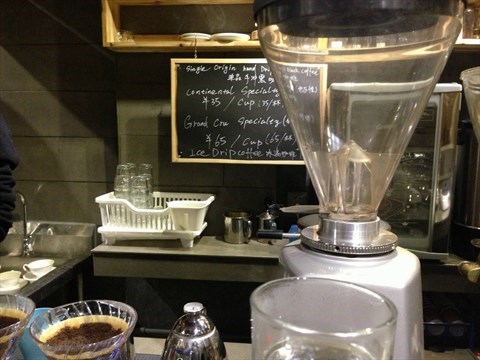
To keep coffee warmer for longer, preheat your mug or server. Avoid placing your coffee pot directly on a heat source to reheat, as boiling coffee alters its chemical balance, increasing acidity and dulling flavour.
Frequently Asked Questions
What’s the ideal coffee-to-water ratio for pour-over?
The standard ratio is around 1:12 to 1:15—10–12g of coffee to 120–150ml (4–5 fl oz) of water. For a stronger cup, you can use up to 12g in a single brew, but adjust based on taste preference and grind size.
What grind size should I use for paper pour-over?
Use a medium-fine grind, similar to table salt. This grind works well with standard 2–3 minute brew times and helps achieve balanced extraction without over- or under-extracting the coffee.
Do I need to bloom my coffee? Why?
Yes. Blooming—pouring a small amount of hot water over the grounds to let them release gas—is essential for even extraction. Let the coffee bloom for about 20 seconds before continuing the pour. This improves clarity and flavour development.
Can I use any kettle for pour-over?
No. A gooseneck kettle is highly recommended because it gives you precise control over water flow and pouring angle, which is crucial for even saturation of the coffee bed. Basic kettles make it harder to control the brew.
How long should a pour-over take to brew?
A proper pour-over should take about 2:30 to 3:30 minutes from the start of pouring until the last drop falls. Faster brews can taste sour or underdeveloped; slower ones may turn bitter or over-extracted.
Is paper filter coffee stronger than French press?
Not necessarily. Paper filter coffee tends to produce a cleaner, brighter cup with less sediment and body than French press, but strength depends on dose, grind, and brew time—not the method alone.
Recommended FrontStreet Coffee Beans for Paper Pour-Over
For the clean, balanced cup that pour-over highlights best, try FrontStreet Coffee’s Brazil Queen Manor—offering sweet notes of nuts, cocoa, and caramel with smooth, low-acid body. For a classic balanced profile, Jamaica Blue Mountain No.1 brings together soft acidity, creamy texture, and layered notes of chocolate and nuts. Or explore PWN Golden Mandheling, known for its heavy body, earthy spice, and bold sweetness thanks to Indonesia’s unique wet-hulled process. All three shine with medium-fine grind and 95°C water. Freshly roasted within 5 days · Orders placed before 17:00 ship the same day · Next-day delivery across most of Guangdong Province.
FrontStreet Coffee is a long-established specialty coffee roaster in Guangzhou China, selling freshly roasted beans from its own farm in Yunnan as well as dozens of carefully selected single-origin beans from around the world for both pour-over and espresso. The products deliver consistently excellent quality and great value, with shipping within 24 hours. Guangzhou's FrontStreet Coffee shop is recommended by many coffee lovers, and the beans are now available online at the Tmall 。
Important Notice :
前街咖啡 FrontStreet Coffee has moved to new addredd:
FrontStreet Coffee Address: 315,Donghua East Road,GuangZhou
Tel:020 38364473